Top 10 cook books that have influenced me
When challenged to list the top 10 books that have influenced me most, apart from naming No1 (George Orwell – 1984), I struggled. My top 10 influential cookbooks was no problem, they map my adult life and my cookery journey has contributed to growing self-confidence and maturity (in a good way rather than a wrinkly one). Memories and food are indelibly linked.
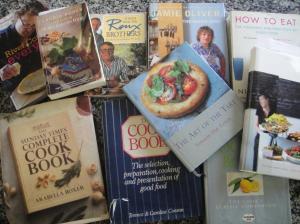 Good Housekeeping Cookery Book My Mother was given this when she left work as a secretary to get married (you did in those days). There were some colour pages but mainly just text and illustrations. There was a section of how to serve a dinner party without having servants. The chapters on offal fascinated me – who would seriously eat tripe? I bought myself a copy (not a trace of tripe) when I got married and it’s still a great reference for the basics.
- The Cook Book – Terence & Caroline Conran The first cook book I ever bought. It was a window on a world that I didn’t know existed, full of dinner parties where they broke chunks off a huge slab of parmesan and floated lighted Amaretti wrappers up to the ceiling. The first section was encyclopedic about food – most of the things I had never heard of. I used the step-by-step instructions to joint a rabbit with great success.
 Leith’s Cookery School – I devoured each lesson with gusto, reading rather than learning from practical experience as I lacked the time and the budget for the often exotic ingredients. At Christmas I jumped straight in at the final lesson and boned and stuffed a turkey (doing a lot of the prep after returning from various nightclubs) and collapsed in a triumphant but exhausted heap straight after the cannonball-shaped pudding.
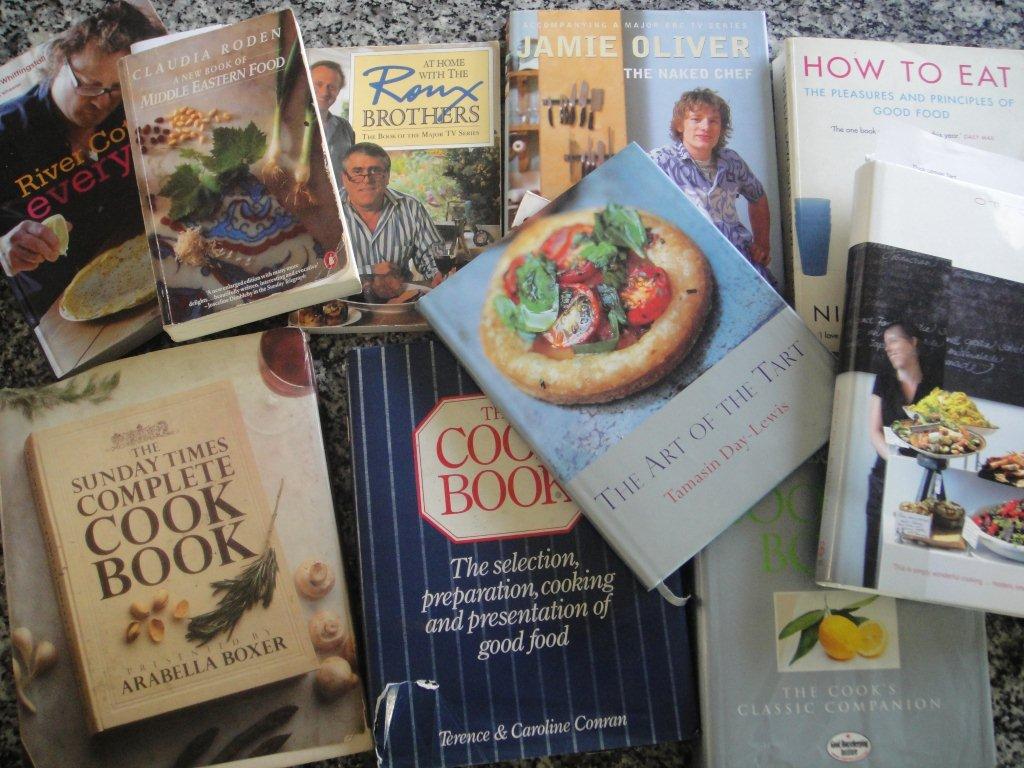
- The Sunday Times Cookery Book – Arabella Boxer
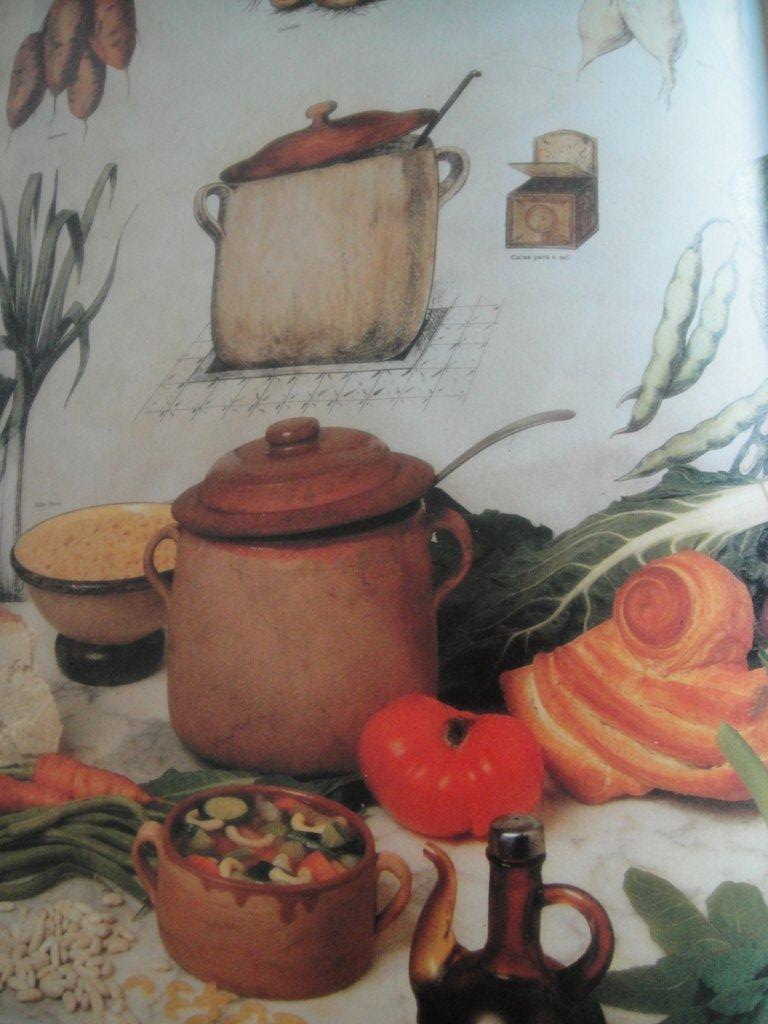
 I drooled over the illustrations and photography which have not been matched by any other book. The final chapters were my first introduction to some lifelong cookery friends including Claudia Roden and Antonio Carluccio.
 - At Home With The Roux Brothers – Michel & Albert Roux Not a fancy book by any means. It was published around the time of the ‘Take 6 cooks’ TV series. Kay Avilla asked Albert Roux what his ultimate meal would be. He described in detail a beautiful piece of sirloin and perfectly cooked pommes-frites. “So, steak and chips then?” said Kay. “Exactly.”
- A New Book of Middle Eastern Food – Claudia Roden My Mother gave this to me when I moved to Saudi Arabia. It is an authoritative work of food history as well as recipes. I first made a feast of hummus, mutabal, stuffed vine leaves and numerous other dishes – without using a food processor. A Lebanese guest was effusive “I can’t believe you did all this. It’s exactly like my Mother makes.” I didn’t know whether to feel honoured or like a little old lady in black! My well-thumbed copy was signed by Claudia herself at the Emirates Literature Festival in 2009.
- The Naked Chef – Jamie Oliver Yes, I know! Just remember that he was a breath of fresh air when he arrived. His recipes were accessible and fitted in with my life as a new wife and mum. Antonio Carluccio inspired me to get a pasta machine, Jamie inspired me to use it.
- How to Eat – Nigella Lawson This book fitted into my life on many levels including as a bedside read. From marmite sandwiches (love them) to dishes that were good enough to serve to friends but meant you weren’t missing out on the conversation for most of the evening. This marks a growing up time in my life.
- The Art of the Tart – Tamasin Day-Lewis I have cooked more recipes from this than any other book. It banished my fear of pastry-making and is the source of my ‘signature pudding’ – chocolate and apricot tart. I went on to buy every book she’s ever written.
- Ottolenghi – The Cook Book This has taken me into a new realm of lighter, healthier cooking (dragging me away from my beloved stews and creamy puddings). Not that it’s all healthy – the meringues are legendary.
P.S. River Cottage Every day – Hugh Fearnley-Whittingstall More power to Hugh’s elbow for his passion about the sourcing and provenance of food. I support his Chicken Out campaign and backing of Compassion in World Farming. This latest book has inspired me to bake my own bread nearly all the time too.
P.P.S. The Top 10 books that have influenced me:
 1984 – George Orwell (read over 30 times – the scales fell from my eyes)
- The Outsiders – S.E. Hinton (coming of age book)
- Oryx and Crake – Margaret Atwood (fear for the world while laughing – so much is plausible in this book)
- The Babel Tower – A.S. Byatt (a door on the world of intellectuals and sadists in equal measure)
- Tess of the D’Urbervilles – Thomas Hardy (first school read that proved ‘literature’ can be compelling)
- Oscar and Lucinda – Peter Carey (stretched my view of what a novel could achieve)
- A Day in the Life of Ivan Denisovitch – Alexander Solzhenitsyn (turning the screw of dislike for this regime and its effects on my family)
- The Rock of Tanios – Amin Maalouf (made me think deeply about the history of the region I live in)
- Senor Vivo and the Coca Lord – Louis de Bernieres (opened my eyes to the level of corruption and brutality of a drugs culture)
- Dickens – Peter Ackroyd (Dickens is the epitome of ‘can-do’ spirit and cared about injustice)
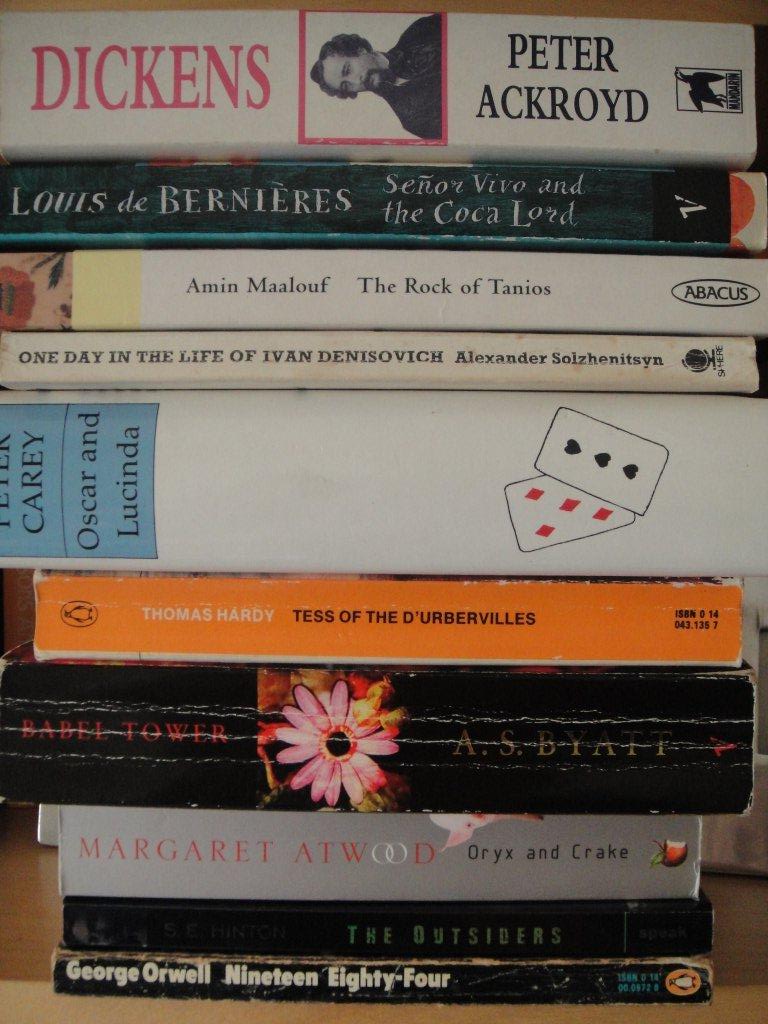
My eyes are always drawn to people’s book shelves when I enter a room – so satisfy my curiosity – share your top 10s with me. Go on.
In praise of marmalade
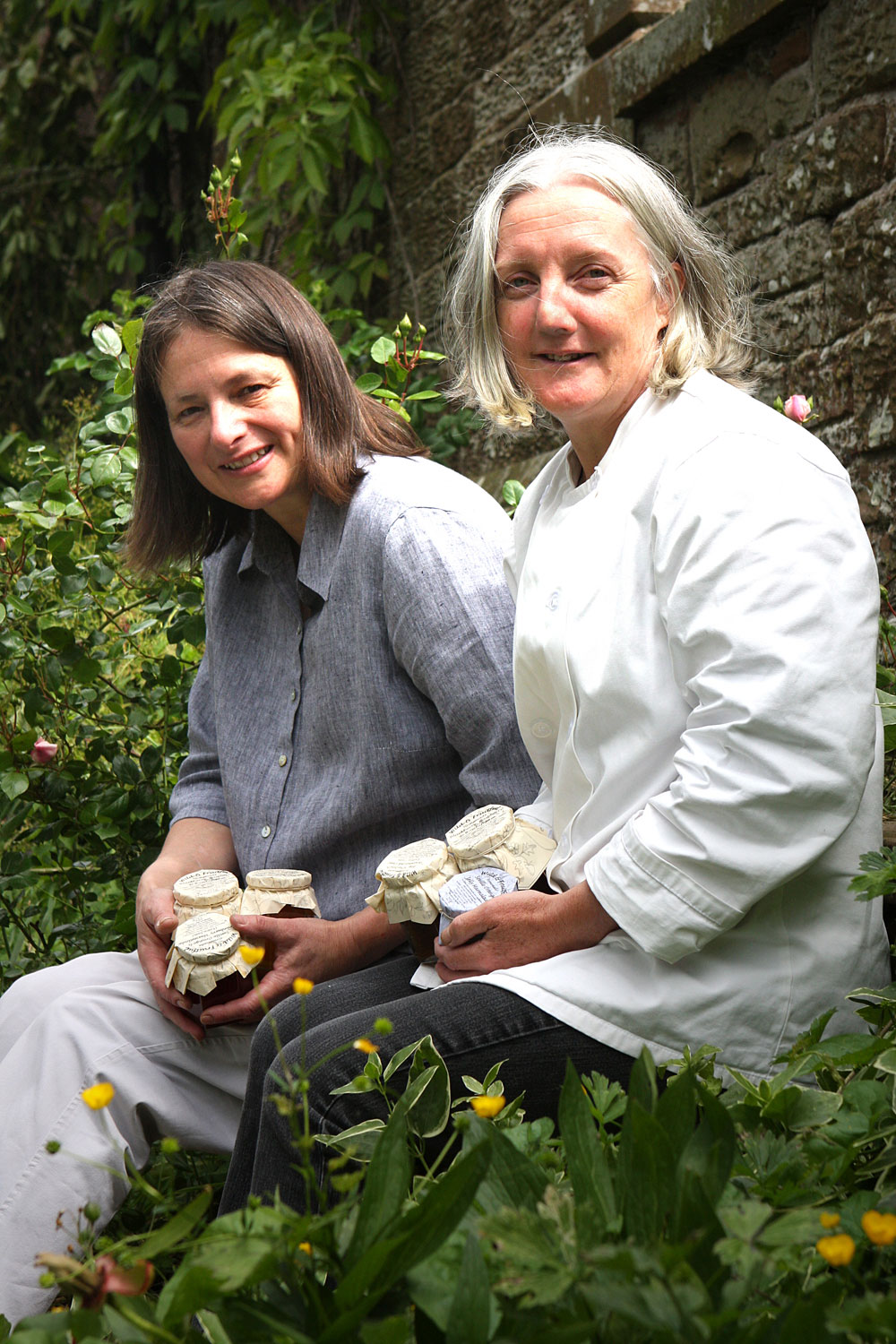
Marmalade makers at the World's first marmalade festival at Dalemain House in Cumbria
I was fascinated by a podcast about marmalade that I listened to on my dog walk today. It started at the world’s first marmalade festival founded by the unlikely sounding Jane Hasell-McCosh at Dalemain House in Cumbria where over 800 entries from across the UK and around the world were examined, tasted and judged. There were some great categories like ‘Man Made’ and ‘Clergy’. The winning artisan producer, Jane Maggs of Wild and Fruitful, devised an intriguing lemon and lavender marmalade.
The bitter orange (actually a hybrid of a pomelo and a mandarin) originated in China and reached Europe via North Africa with the spice trail and Arab migration into Spain. The word marmalade comes originally from the Greek melimelon (quince) and is used in Portugal to describe a quince paste (in Spain membrillo). The first orange marmalades in Britain were of a similar consistency and were eaten to settle the digestion after sumptuous fat-laden dinners. The Portuguese introduced a sweet orange which gained popularity across Europe but the Brits clung onto the bitter Seville for our traditional breakfast preserve.
The Scots were the first to use marmalade for breakfast and it really took off across Britain when tea drinking in the morning replaced binges of ale (yes, our ancestors were sozzled for most of their lives).
But marmalade is under attack; the rise of cereal marketed as a health product, breakfast on the hoof and the fact that our tastes are changing to something sweeter (chocolate spread and peanut butter sales are on the rise). So what should marmalade producers do to ensure this very traditional British food (that we’ve been eating since the 16th century) holds its own on the breakfast table?
Premier Foods is the biggest industrial producer of marmalade and different processes are used for the different grades of the product. At the cheapest end, a sort of orange gel, juice, pulp and essential oils are used. For the premium marmalades, for example, Marks & Spencer, whole fresh fruit is used, but none can equal homemade.
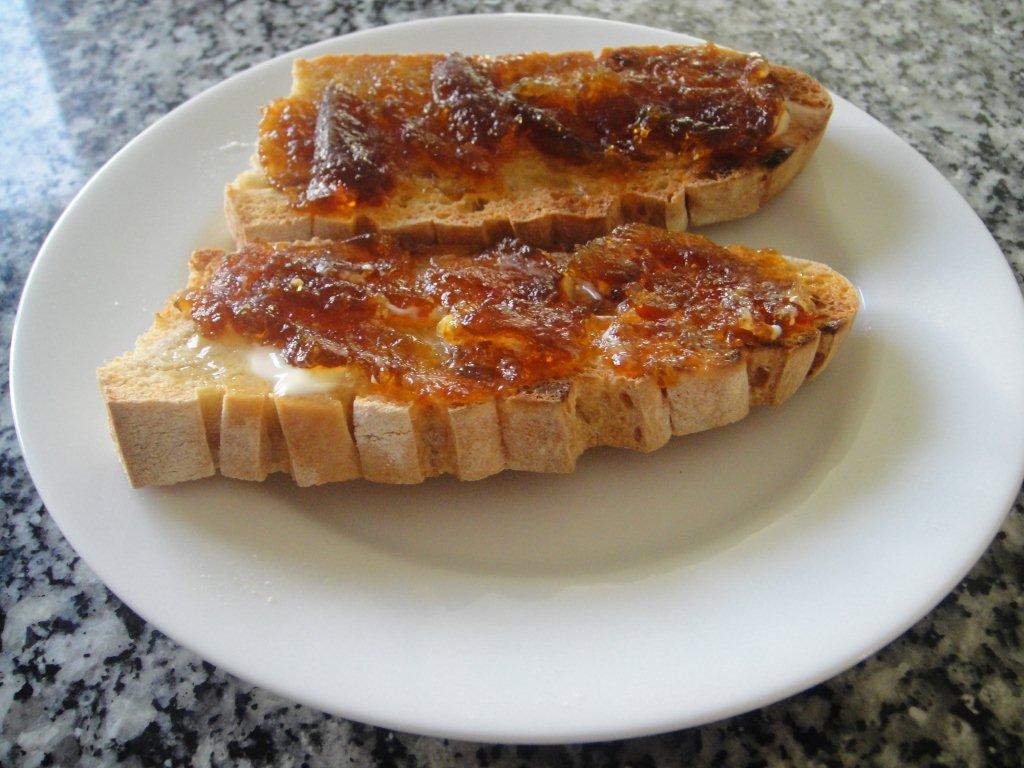 Now someone describing how hundreds of jars of a preserve made from oranges, sugar and water can all differ, makes me want to reach for the jam pan. Unfortunately even in Seville orange season I can’t buy them in Dubai. So the next best thing was to cut myself some thick slices of homemade bread, toast them and slather them with butter and M&S dark, Seville orange marmalade. The deep, bitterness, the soft chunks of peel, the creaminess of the butter and the slight caramel sharpness of the toasted bread did the trick.
For those lucky enough to be making your own, here are the top 3 tips for perfect home-made marmalade courtesy of Eileen Wilson, a national Women’s Institute judge.
- Make sure everything is scrupulously clean including the fruit (give the oranges a good scrub).
- Make sure the peel is well cooked.
- Bring the liquid to a good rolling boil before you add the sugar which you have warmed in the oven before adding. This means that the temperature doesn’t drop and you don’t have to boil it for quite as long so it doesn’t get syrupy.
Why an old, crumpled piece of paper motivates me
 It was my birthday this week and my sister emailed some photos and certificates that she knew I wanted as I’ve been researching our family tree. The most precious of all was a picture of a tattered, brown piece of paper which shows the purchase of a piece of land. It records that my Grandfather bought a farm near Lwow in Poland which became the family home. But in 1939 the Ukraine, with backing from the Stalin-led Russians, annexed this bit of Poland and evicted the residents who were immediately deported to Russian labour camps in Siberia. My Grandfather died there and eventually my Grandmother and 4 of her 5 children including my Father were given refuge in the UK (via refugee camps in East Africa). Looking into my Father’s past has made me think a lot about what the family went through and how much I take for granted. Even though I’ve lived as an expat for nearly 15 years, I feel rooted to England – it’s part of my identity, my security, it’s about who I am and where I belong and where I can return at any time. I’m lucky. The number of people forcibly uprooted by conflict and persecution worldwide is over 42 million (UNHCR’s “Global Trends” report 2009) Host countries, however welcoming, often lack the resources to cope with the influx of people often in desperate need of support and medical treatment. The number of Palestinian refugees in Lebanon is estimated at over 422,000, around 10 per cent of the population of Lebanon. The first post I wrote told of how much this challenge resonated with me. Being able, through this challenge, to provide tangible support for young refugees and children orphaned often as the result of conflict, motivates me at a very personal level. Thanks to everyone for your help so far – with your donations, gold and support we can directly help these displaced children and while we are not able to give them back their land or parents, we can make sure they receive decent conditions to help make a good start to their small lives. Have a great weekend – and please wave if you see some sweaty people in hiking boots on the beach in Dubai on Saturday morning.

The funds raised by this trek will provide dental x-ray equipment for refugee camps through the Palestine Children's Relief Fund and furnish 2 houses for orphaned children and their 'house mothers' through the Lebanese Association of SOS Children’s Villages
Baking day

A baking day - River Cottage-inspired digestive biscuits and sourdough loaf
Is there anything nicer than having enough time to do some serious baking? It’s worth it for the smell that permeates the house as well as the edible rewards. I feel like weaing a t-shirt saying “SMUG” for the rest of the day too. My favourite cook book of the moment is River Cottage everyday by Hugh Fearnley-Whittingstall. I’m a big fan of Mr H. He makes great TV viewing and I admire his principles especially his campaign on battery chicken farming. It’s the first book of his I’ve owned though as his bias towards seasonally and locally produced (especially the game part) doesn’t correspond with the ingredients I can get in the Middle East. This book gives me lots of scope and ideas for daily meals – which is where inspiration is usually the most lacking.
I now make this cheat’s sour dough recipe at least 3 times a week, adding a bit of wholemeal flour into the mix. If I have time, I knead it by hand (great for toning the upper arms) but I’ve also devised a quick method using my KitchenAid that is really simple. I’ll write about this soon.
Homemade digestives were a bit fiddly – it was quite difficult to cut them out. I would use fine grain oats next time. They were demolished in seconds by my daughter’s netball team. It was worth doing though as the recipe made loads. The raspberry jam in the picture was from the Cristkindlmarkt in Munich and tasted like the fruit had just left the bush. I think I ate the whole jar myself. I’m not sure about the copyright issues on reproducing recipes here, so I haven’t. If you are reading this as another food blogger, any advice? I’m now on the quest to find fresh bakers yeast in Dubai for my first Fresh from the oven recipe. It involves bread and chocolate – a heavenly combination that the netballers will love.
P.S. I just found a really informative article about recipes and blogs. I’ll revist bread and biscuits very soon with some more detailed instructions. If you’re interested in the article by food writer and blogger David Lebovitz click here.
I’ve taken the plunge!
Gulf For Good sent me an e-mail last week and after reading it once I was hooked. I got in touch immediately and have booked my place on The Lebanon Mountain Eco-Trail (in the Footsteps of Khalil Gibran) in May 2010. I admire this Dubai-based non-profit org. which raises funds for children’s charities by organising challenges and adventures, but I’ve never seriously thought about signing up. This was right for so many reasons. In January I started working freelance rather than employed so I can be more flexible about taking time off. The trek is not during school holidays – very important when you are chief taxi-driver and TV watching regulator.
The venue is Lebanon which ticks so many boxes for me. It’s not too far from my home in Dubai, UAE, so there isn’t a massive cost either financially or environmentally. I’ve visited many lovely places in the Middle East but this part of the Levant remained on my “to do” list despite good intentions. I’ve been invited to Lebanon countless times, often by people I barely know – and the invitation is genuine. It’s usually followed by the exhortation “but you must come for a long time, at least a month.” I’ve been on the receiving end of the most generous hospitality and impeccable manners and etiquette that seems to form the backbone of Lebanese society. If you are a friend, you are welcomed by the whole extended family.
Reading the work of Amin Maalouf opened my eyes to a great story telling tradition as well as Lebanon’s complex history. Byblos is sadly missing from my list of Roman ruins visited (Jerash, Palmyra and Leptis Magna set the pace). And of course the food.. I attended a session with the eminent food historian Claudia Roden at last year’s Emirates Airline Festival of Literature. She pointed out that the food we think of Middle Eastern is actually Lebanese. Because of the tenacity and resourcefulness of economic migrants and refugees (and the deliciousness of the food I would add), we think the typical dishes of the entire Middle East are humous, taboulleh and fatoush.
Anyway, back to the appeal of this trek…it’s an Eco-tour and will benefit the local economy as local guides are employed and we stay in small motels and home stays. The mountain communities created this first long-distance hiking trail in Lebanon as they are determined to conserve their unique natural and cultural heritage through environmentally and socially-responsible ecotourism. The challenge itself will be ..well, challenging. To quote Gulf For Good, ‘Trekking 117km in 5 days, this will be a hard test of your fitness requiring stamina and perseverance to complete the long-distance treks every day.’ I’m going to have to address my fitness levels drastically as a meander with the dogs round the streets of flat Umm Suqeim of a morning has not prepared me for the distances, inclines or terrain. Luckily Gulf For Good are fantastic with their support in this respect and a 13km group walk along the beach is scheduled for this Friday morning to get us started. Altitude sickness or running doesn’t come into it thank goodness.
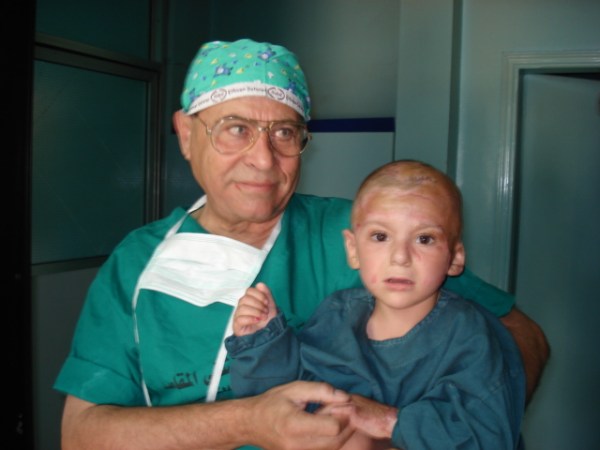
Finally, and thank you if you’ve read this far for your patience as this is the main reason that I have signed up, the charities that we will raise funds for are making a huge difference in the lives of young children in Lebanon who have often seen circumstances that no-one should face in their entire lifetime. Look at the image at the top and read the articles linked to the Charities page about how the UAE has hosted many of the young victims of war and provided medical care. Please click the links to the right or ‘The Charities’ tab at the top to find out more about the Palestine Children’s Relief Fund and the Lebanese Association for SOS Children’s Villages. It has inspired me to start work immediately on raising the minimum 12,000 AED (about 2,000 GBP) but I am aiming higher. The funds we raise will make a tangible and lasting difference to these charities and the children whose lives they change – and we get to visit at least one of the organisations when in Lebanon. Plus my registration fee (already paid to secure my place) goes to Gulf For Good. This means they can continue their fabulous work which has seen 29 challenges in 9 years raising over US1.5 million for schools, hospitals, orphanages and medical equipment in 17 countries in the Middle East, Asia, South America and Africa.
Well I’m off to get a good night’s sleep as an attack of bronchitis left me doubtful, earlier in the week, about attending the first training session. I really don’t want to miss it so will get some early nights and OD on Vitamin C. I’ll be the wheezy one at the back who everyone will avoid!
This has been a long ramble as it’s the first one. I promise that the next updates will be quick, energetic and focussed…just like me up those mountains!
I’d love to hear from anyone who’s done a similar challenge. Any tips for fitness training or fund raising? And I’ll bring back a present from Lebanon for the first person to sponsor me…promise.








 My Custard Pie