LiveSTRONG with a taste of yellow
 I’m not posting a recipe or a cooking experience today. This is my picture as part of Winos and foodies LiveSTRONG With A Taste of Yellow event. You might like to pop over to Barbara’s site and read her very sincere and touching account of why she’s organised this and how she’s living each day with cancer.
There are not too many things more sad or devastating than when a healthy person dies. I’m in my late forties and, inevitably, I know cancer survivors and have known those who didn’t survive. It’s not just the person with cancer who is brutally affected, the impact on their family is deep and lasting. So here’s a yellow heart to remind me to stop and think for a minute on this LiveSTRONG day. I’m going to pin this up:
“You don’t get to choose how you’re going to die. Or when. You can decide how you’re going to live now.” – Joan Baez
and when things get very hard remember this:
“We could never learn to be brave and patient if there were only joy in the world.” – Helen Keller
Not green papaya salad
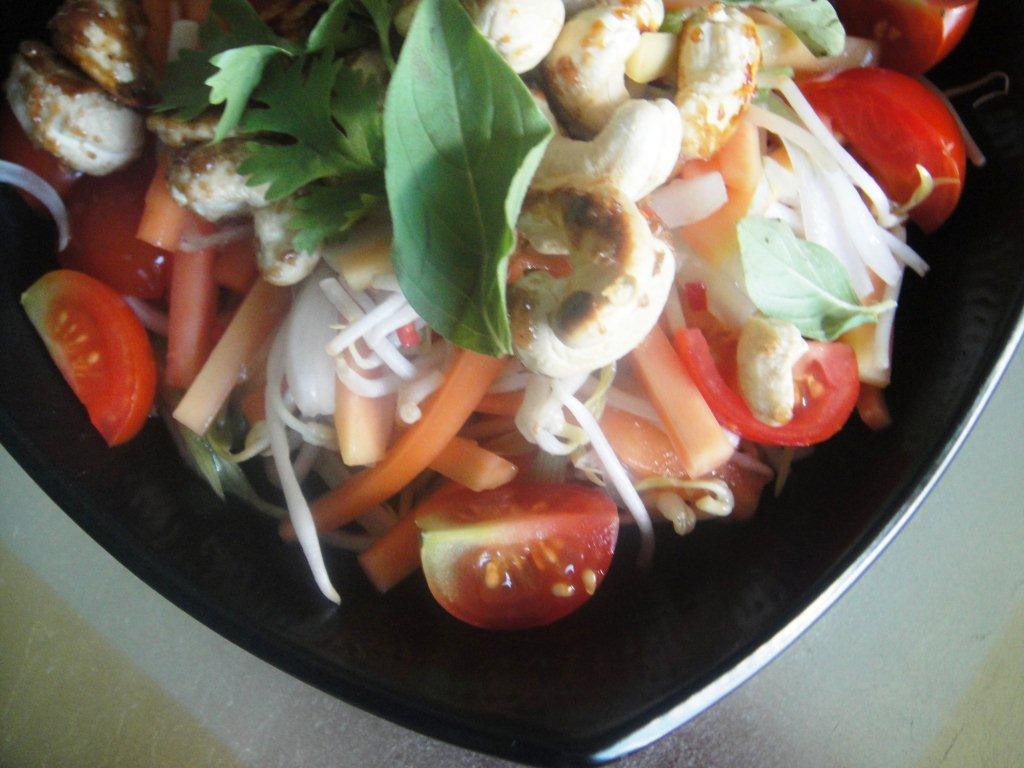
Thai papaya salad
It’s a strange thing that although I live in the Middle East I never seem to be able to buy really ripe fresh figs. The ones that drip juice from moist, luscious flesh – like one I ate picked from a tree in….Devon (UK), I kid you not. The ones we seem to get are dry and woolly and go straight from unripe to inedible, bypassing the ripe stage completely and the same goes for peaches and nectarines. You wouldn’t have thought it would be that difficult to find an unripe fruit then would you? But my search for a green papaya has turned into a saga worthy of Miss Marple. The problem with these little devils is although they look deep green and hard on the outside a sharp knife reveals their true interior – peachy pink.
Why was I on the hunt for this elusive fruit? Let me tell you.
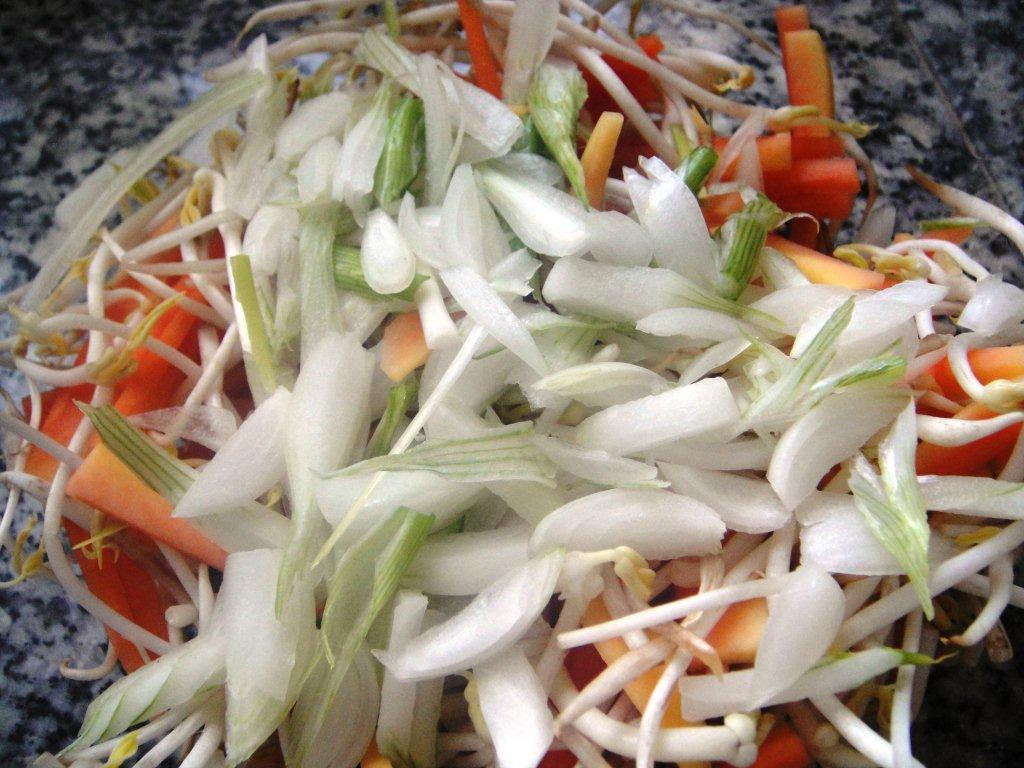
Shredded papaya, bean sprouts and spring onions
I was super-excited as I drove down the Beach road last Thursday evening for my first food blogger gathering in Dubai. Organised by the lovely Arva of I live in a Frying Pan (a whirlwind of enthusiasm and energy) nine of us met at the International Centre for Culinary Arts for a session of Thai cookery. Although most of us had never met before we donned aprons and unattractive hair nets, rolled up our sleeves and got stuck in – our interest in food breaking down all barriers immediately. It was a cooking marathon of three hours guided by Ashwini and Manju who led us through the menu (see below). I think they were a bit bemused by the amount of times we all whipped out our cameras to record each stage . We ended the evening by tucking into the feast we had prepared and it tasted so good. I’m sure there will be many accounts of this experience (see UAE links on the right) all with a different perspective and flavour.
The dishes we made were really delicious and we learnt a lot about the balance of sweet, sharp and hot flavours in Thai food. The scent of it is so irresistible, your nostrils seem to stretch when the air is full of Kaffir lime and coriander. I couldn’t wait make the salad again at home – hence the search for a green papaya, but in the end had to settle for a not very ripe pink one. Not really authentic, but my husband and house-guest approved heartily by emptying the bowl. Do try it.
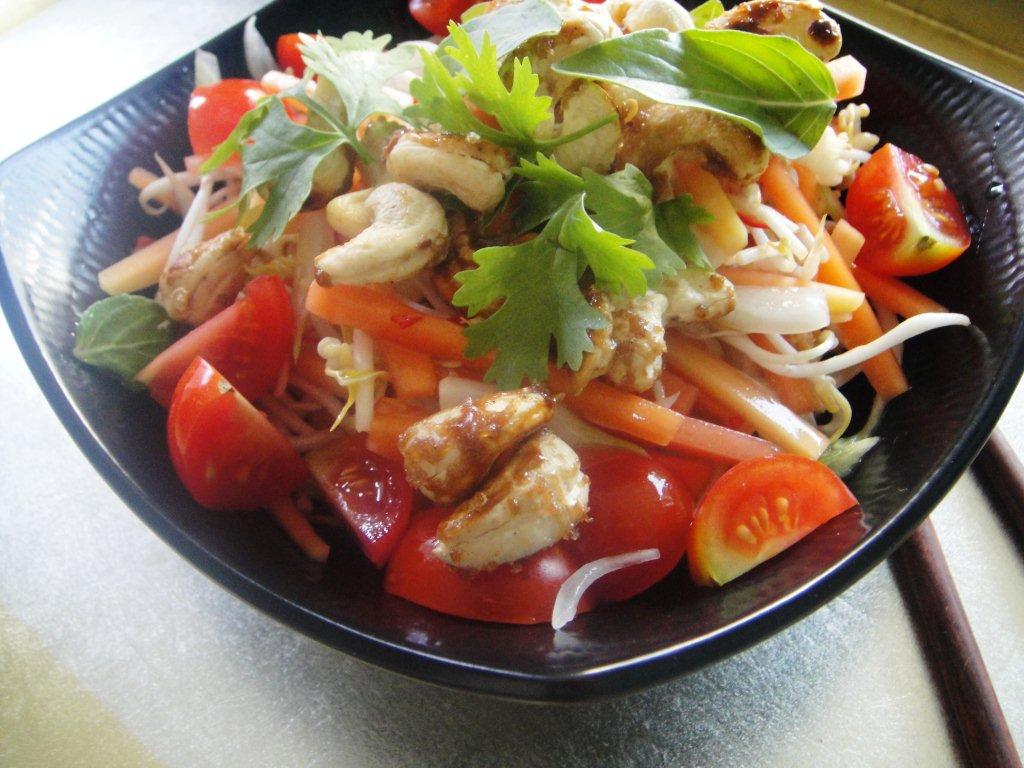
Great contrasts of flavours and texture
Green Papaya Salad (Som Tam) – recipe adapted from International Centre of Culinary Arts Dubai
Ingredients:
1 small green papaya (or barely ripe pink one)
1/2 cup glazed cashews *
1 cup bean sprouts
6-8 cherry tomatoes
1 red chilli, minced or finely diced
3 spring onions
1/2 cup fresh basil (preferably Thai basil)
Handful of fresh coriander
Dressing
2 tablespoons oil (e.g. groundnut)
2 tablespoons fish sauce
3 tablespoon fresh lime juice (preferably from Kafir limes)
1 tablespoon honey
- *To glaze the cashew nuts, heat a small non-stick pan and toss the nuts with a couple of tablespoons of brown sugar and chilli flakes to taste. Remove from the heat as soon as the sugar melts. Turn onto lightly oiled waxed paper.
- Mix the ingredients for the dressing together by whisking in a bowl or shaking in a jar.
- Cut the papaya and spring onion into fine, matchstick-sized strips.
- Combine the papaya, spring onion, chilli, bean sprouts, most of the tomatoes and basil and toss with the dressing.
- Lightly add most of the cashews.
- To serve place in individual bowls or on a serving platter and sprinkle with the remaining basil leaves, fresh coriander, glazed cashew nuts and tomatoes. Serve immediately.
Serves 4
The full menu: Green papaya salad, shrimp on lemongrass sticks with peanut dip, stir-fried rice noodles with vegetables, Thai red fish curry, crispy beef in honey, pandana and coconut custard.
-
- Thai papaya salad
-
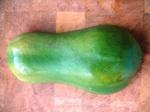
- Appearances can be deceiving
-
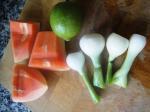
- Papaya, lime and spring onions
-
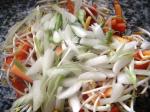
- Shredded papaya, bean sprouts and spring onions
-
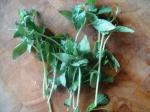
- Thai basil – it’s known as local basil in the Dubai supermarkets
-
- You’ll have to imagine the scent of the lime
-
- I loved how it looked on this tray
-
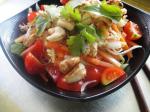
- Thai papaya salad
Polenta bread – molto delicious

Words in Italian seem to add a layer of glamour, mystery or just plain cuteness to anything they name (except when multi-nationals try to brand inferior products in that way). Take putti for instance the Italian for the rosy-cheeked cherubs that grace so many of the Renaissance paintings and Sistine chapel. You have to purse your mouth into a kiss just to say the word (pooti). The humble pine kernel – it’s a plain-souding thing until you use La Bella Lingua. Pignoli rolls around the mouth and ends in a smile. Cornmeal is so drab compared with polenta (big stress on the second syllable) which was a key ingredient in this month’s Fresh From the Oven challenge set by Becky from Fraxnits.
I’ve had a few problems with the last two challenges (my walnut bread stuck and my brioche …well, watch this space) so I was rather keen that this loaf would turn out alright (a baking blogger who can’t bake…?). It was easy to cook the polenta but when combined with the flour it looked a bit unmanageable to mix by hand so I used the paddle on my Kitchenaid to combine then changed to the dough hook to knead the very sticky dough. I turned the dough out onto a floured surface and then returned it to the cleaned bowl to let it rise. The weather has started to cool down here in Dubai, so I braved leaving it on my patio (on a jar so ants couldn’t crawl in). I used the same mixing method for the next stage and after the second rise, set about knocking back and plaiting. I was very satisfied as I popped it into the hot oven and the loaf turned out really well – a sweet, slightly chewy but light texture. It was delicious with a soft, herby goats cheese. But look what I found left on the kitchen counter.
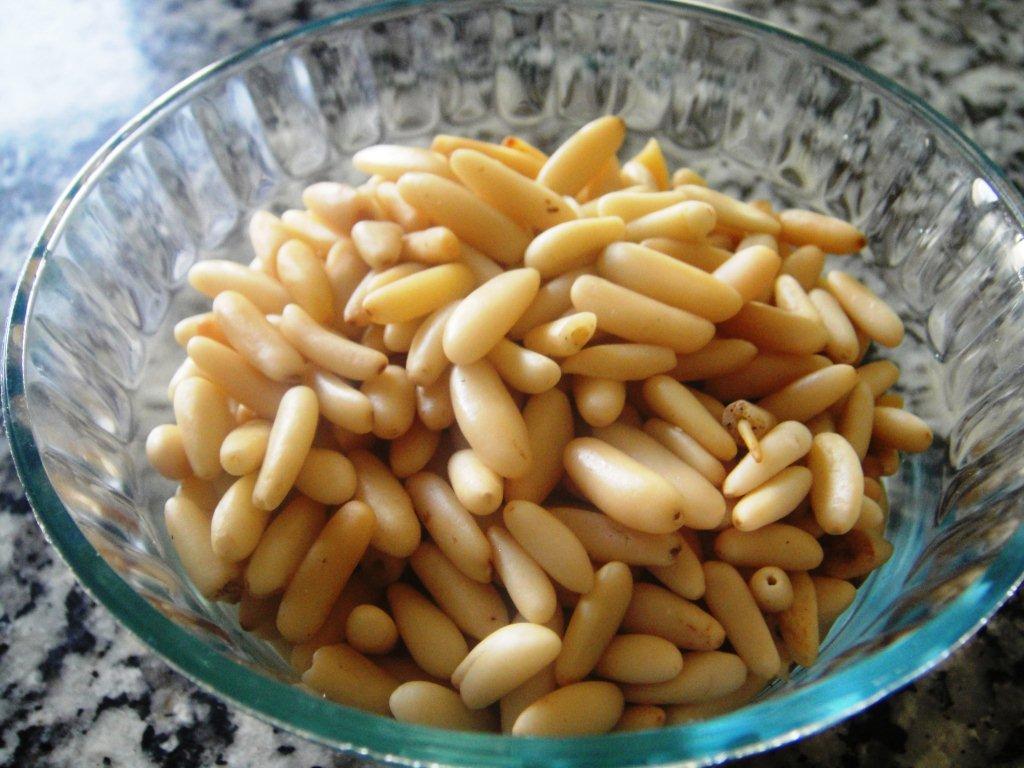
Poor forgotten pignoli
The pignoli for the top. I did consider toasting them and sticking them on by hand for the picture – but life’s too short isn’t it? Nessuno è perfetto!
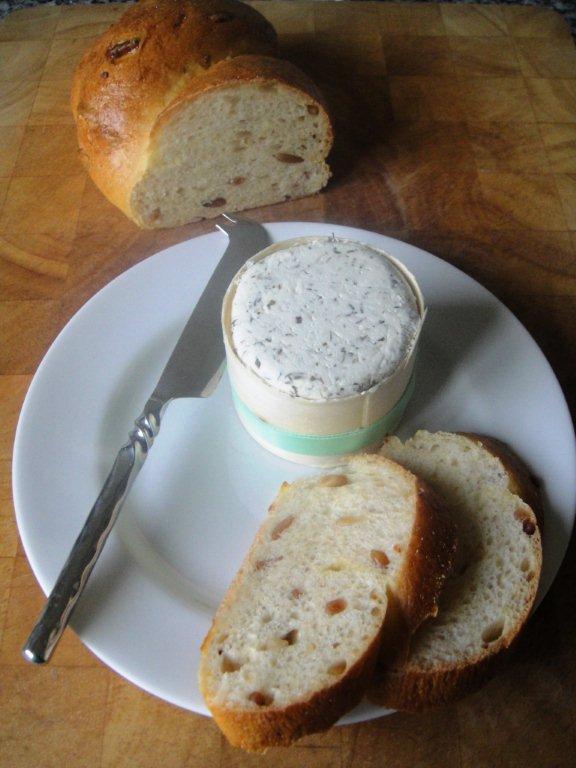
Take a moment to pop over to the Fresh From the Oven site to see how everyone else’s polenta bread turned out. Recipe below – love to hear from you in the comments.
-
- Combining the cooked polenta with the flour
-
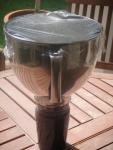
- My method for keeping ants off the proving dough
-
- Some of the ingredients including jolly Aunt Jemima
-

- Dough – smooth and elastic
-
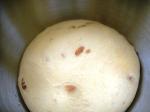
- Starting to rise
-

- A simple plait or twist
-
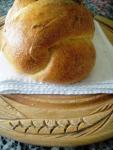
- A nice golden colour
-

- Polenta bread
-
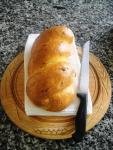
- Ready for slicing
-
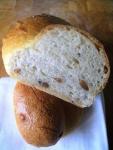
- Sweet pine nuts embedded in the soft bread
-
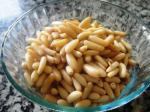
- Poor forgotten pignoli
-
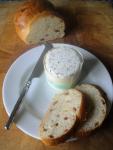
- With soft goats cheese
Polenta Bread Recipe
50g polenta
300ml lukewarm water
15g fresh yeast or 5g active dried yeast
1/2 tsp clear honey
225g white bread flour
25g butter
3 tbsp pine nuts
1 and 1/2 tsp salt
For the topping
1 egg yolk
1 tbsp water
pine nuts for sprinkling
Makes 1 loaf
1. Lightly grease a baking sheet. Mix the polenta and 250ml of the water together in a pan and slowly bring to the boil, stirring continuously with a large wooden spoon. Reduce the heat and simmer for 2-3 minutes, stirring occasionally. Set aside to cool for 10 minutes, or until just warm.
2. In a small bowl, mix the yeast with the remaining water and honey until creamy/frothy (depending on the yeast being fresh/dry). Sift 115g of the flour into a larger bowl. Gradually beat in the yeast mixture, then gradually stir in the polenta mixture to combine. Turn out on to a lightly floured surface and knead for 5 minutes until smooth and elastic.
3. Cover the bowl with lightly oiled cling film and leave the dough to rise in a warm place for 2 hours or until it has doubled in bulk.
4. Melt the butter in a small pan add the pine nuts and cook over a medium heat, stirring, until the pale and golden. Set aside to cool.
5. Add the remaining flour and salt to the polenta dough and mix to a soft dough. Knead in the pine nuts cooked in butter (and the butter). Turn out on to a lightly floured surface and knead for 5 minutes until smooth and elastic.
6. Place in a lightly oiled bowl, cover with lightly oiled cling film and leave to rise in a warm place for about 1 hour or until doubled in bulk.
7. Knock back (punch down) and turn the dough out on to a lightly floured surface. Cut the dough into two equal pieces and roll each piece into a fat sausage about 38 cm/15 inches long. Plait (braid) together the two pieces and place on the baking sheet. Cover with lightly oiled cling film and leave in a warm place for 45 minutes. Pre-heat the oven to 200 C/ 400 F/ Gas Mark 6.
8. Mix the egg yolk and water and brush over the loaf. Sprinkle with the pine nuts and bake for 30 minutes or until golden and sounding hollow when tapped on the base. Cool on a wire rack.
Dreaming of barbecues and honeyed fruit brochettes
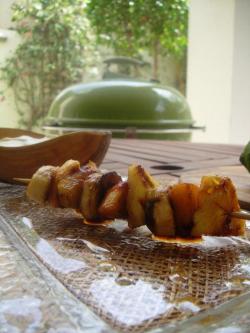
Returning from weeks of glorious weather in the UK (i.e. not raining) and lush green countryside, I find it difficult to face the furnace-like temperatures of a Dubai September. Walking the dogs has to be done at 6am while breathing in the steamy atmosphere; once the sun starts to rise it’s unbearable. Even mustering up the energy to go from air-conditioned house, into air-conned car to air-conned supermarket is something I leave until late afternoon when it doesn’t feel so like being under a grill when you load up the boot. But today the humidity has dropped, the garden looks almost inviting and even the dogs are popping in and out a lot more…it’s a hint of things to come. By about mid October there will be at least 5 months of blissful sunny days and temperate nights and barbecuing is the first choice for friendly gatherings. My husband always says you should invite someone from the Southern Hemisphere to a barbecue as they always take over (leaving him to drink and chat) – they can’t help themselves. In particular South Africans (and I mean men here) jostle to show their mastery of the perfect braai (as it’s known in SA).
The hint of cooler evenings has set me dreaming of recipes old and new ready for the season: little lamb keftedas stuffed into pitta breads with yoghurt and mint leaves, fish with coconut milk cooked in bananas leaves, a spiral of boerworst cooked whole and sliced into bite-sized chunks with a mustardy dip (and Lynchburg lemonades to get the party started). With National Braai Day and Heritage Day being celebrated on September 24th in South Africa, here’s something for dessert that makes use of the coals while their still glowing (medium-hot) – just make sure you get a wire brush and clean off all traces of meatiness from the rack first.
Jeanne from Cook Sister celebrated National Braai day by having a round-up of delicious barbecue recipes (including this one) – check it out and I guarantee you’ll be getting out your tongs and lighting the charcoal.
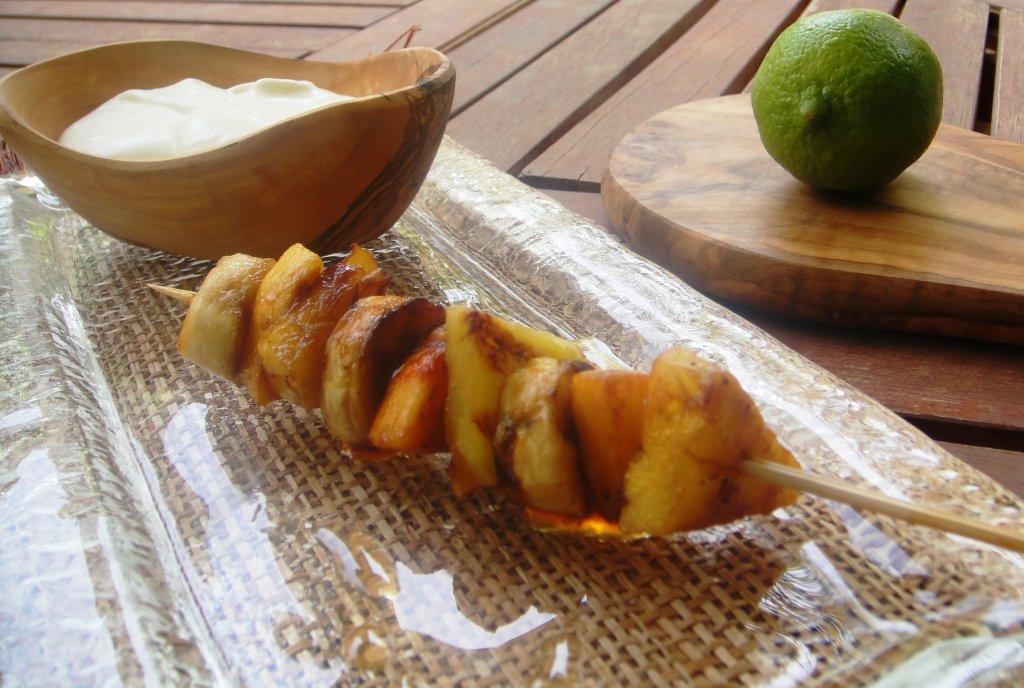
Honeyed fruit brochettes with rosewater cream
Serves 6
For the rosewater cream
280 ml double cream
2 tablespoons rosewater (or kirsch if you prefer)
1-2 tablespoons of sifted icing sugar (omit if using kirsch)
For the brochettes
1 medium pineapple
5 medium bananas
2 ripe nectarines or peaches (not too soft)
Juice of 1/2 lemon
6 tablespoons honey (or maple-syrup as a variation)
Fresh lime (to serve)
You will also need a dozen 15cm wooden skewers soaked in water for at least 3 hours.
For the rosewater cream, whisk all the ingredients together until the cream forms soft peaks. Put into a serving bowl.
For the brochettes, slice off the top and bottom of the pineapple, cut away the peel and remove any ‘eyes’. Quarter the pineapple lengthways and cut away the core. Cut each quarter in half lengthways then slice into chunks, about 5mm thick. Quarter and stone the nectarines (removing the peel if using peaches) and cut into similar-sized chunks. If preparing the fruit ahead of time, toss the fruit in lemon juice.
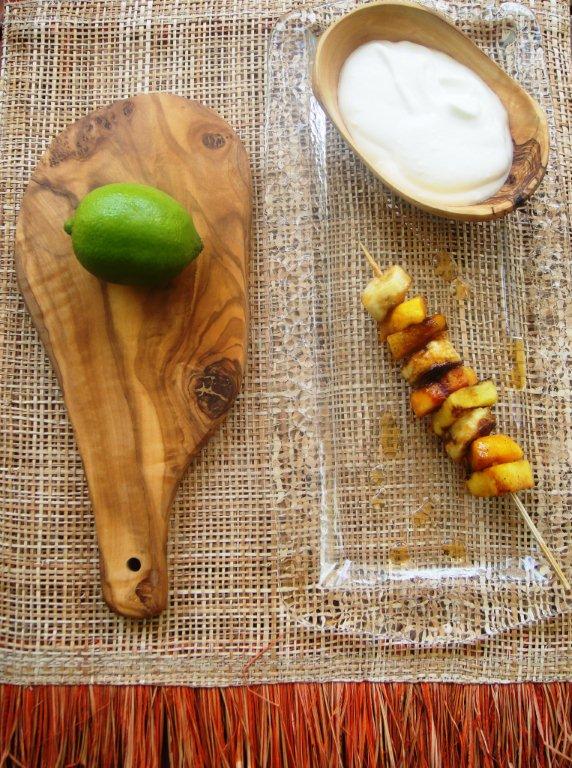
Thread the pieces of pineapple, banana and nectarine or peach onto the skewers alternating the fruit. Melt the honey in a small saucepan over a low heat and remove as soon as it turns runny (or heat in a bowl for about 20 seconds on high in the microwave) . Brush generously over the fruit. Cook the brochettes on the barbecue for about 5 minutes turning regularly. If you want to cook these indoors you can toss the fruit in the melted honey, cook the fruit on a hot griddle pan and thread onto skewers afterwards. Serve drizzled with any extra honey, a squeeze of fresh lime juice and the cream – Sauternes would be the perfect match for this. Happy Braai-day
What’s your favourite thing to sling on the barbie? I’d love to hear in the comments.
Adapted from House and Gardens magazine.
Going back to my roots – Barszcz
My two daughters are growing up fast and the less complicated days of their youth seem light years away rather than one or two. Take the inaugural international day at my daughter’s school that happened a year or so ago. Maria and I were talked into helping run the Polish stall (both our fathers were born in Poland) . I say talked into as we were both hyper-busy at the time and, with my car in for repair, I did a very un-Dubai thing and cycled down to meet Maria in a coffee shop. We hit it off straight away and came up with a plan and lots of ideas.
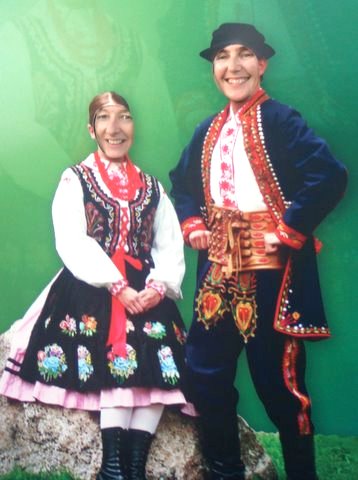
Maria and I poking our heads through the picture board her husband made
The day arrived with us feeling slightly exhausted but excited too. It was absolutely scorching for February in Dubai; the sun beat down on us all as we set up with over 30 nationalities represented. The opening procession almost brought a tear to the eye as the children marched past in a fabulous array of costumes. The Polish stall looked great; we had lots of information and activities including decorating eggs. The was a fete-like atmosphere and all nationalities were eager to promote their food, culture and traditions. My children alternated between helping out with the egg painting and watching the entertainment – from Scottish to Lebanese dancing – and tasting all the lovely dishes.

Some eggs painted by me, my children and my sister who was on holiday. The brown ones are dyed with onion skins and then etched by her.
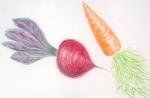
Our table of Polish food looked delicious. I had made faworki, fried pastry bows, and watched nervously as Alice, a Polish teacher and first generation Pole, tasted one. I was relieved when she pronounced them just right. She seized Maria’s flask of Barszcz (Polish beetroot soup pronounced barscht) and impelled every visitor to our stand to drink some. It is very Polish to force-feed people. Hot soup on a boiling hot day sounds strange but it was really refreshing and delicious. My daughter has been asking me to make some ever since and I was inspired in more ways than one by this beautiful illustration and recipe that was posted this week on They Draw and Cook.

Please click on the image or visit They Draw and Cook to see a full-sized version of this beautiful illustration
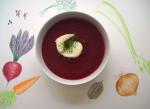
Maria’s Barszcz was different from this one. She used beef stock and removed all the vegetables except the whole beetroot after simmering. The resulting broth is more liquid and watery in texture – good for that hot, hot day. I tinkered with Valentina’s Borscht recipe (a Russian variant) and give my version below. It’s quite substantial and has a gorgeous velvety texture, plus a hint of spice with the cloves and dill. I also got out some coloured pencils and my two teens joined me to do some drawing and colouring, just like the toddler days. Ahhh. Hope you like my scribbles and do visit They Draw and Cook to see the real artists.
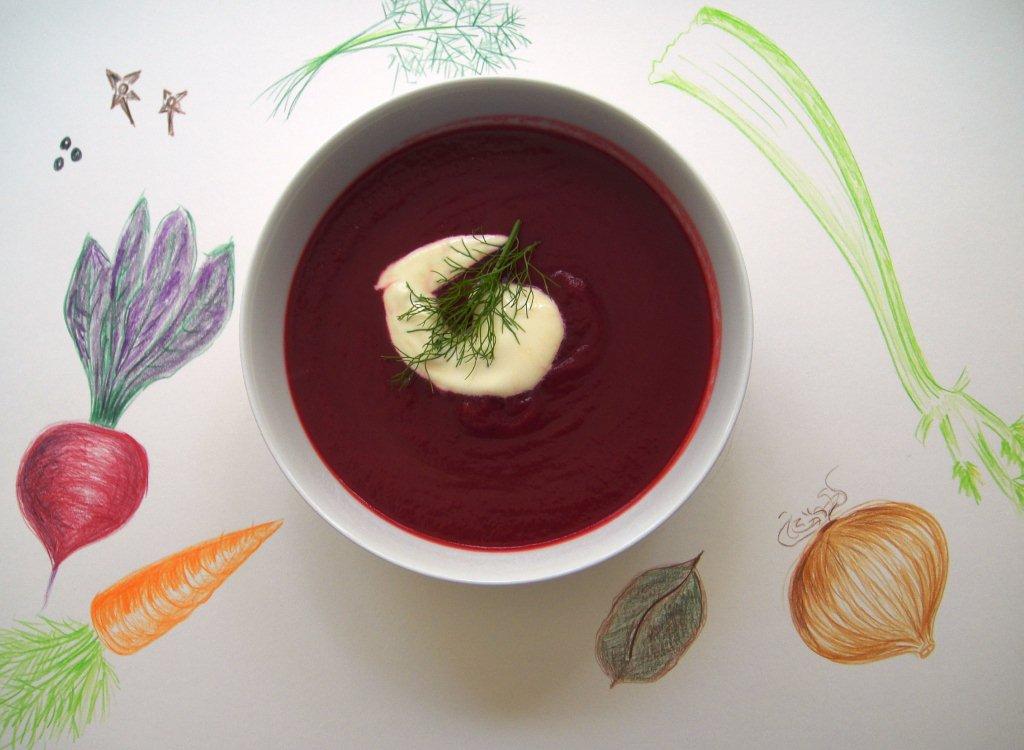
My illustrated beetroot soup
Borscht
Ingredients for the soup
1 large beetroot (or 4-5 small ones), peeled but left whole
2 carrots, peeled and diced
1 medium onion, finely chopped
1 stick of celery, diced
1.2 litres of water (or more)
3 vegetable bouillon cubes (trust me – you need this amount)
2 tsp red wine vinegar
a pinch of ground cloves
2-3 fronds of dill, chopped
1 bay leaf
1/4 tsp sugar
black pepper to taste
To serve
juice of 1/2 lemon
sour cream
dill, chopped
Place all the ingredients for the soup in a large pot. Bring to the boil and simmer for about 40 minutes or until the beetroot is tender. Remove the bay leaf and puree in a blender (I advise against using a stick blender as beetroot can stain your clothes – plus you want a velvety texture). Add the lemon juice, taste and adjust seasoning and return to a pan to warm through.
Pour into warmed bowls and serve topped with sour cream (or creme fraiche) and dill. Delicious with rye bread. Serves 4 for lunch or as a first course.








Food memories of summer – Stroud Farmers market
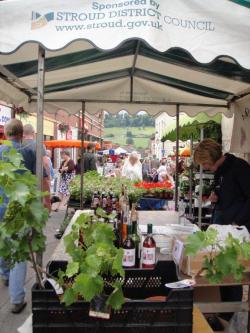
A couple of decades ago I was chosen to be a juror. The main case involved alcohol, drugs, wild parties and hitting people over the head with a blunt instrument – which all happened in Stroud. My other experience of this Gloucestershire town is an ugly ring road past a 70’s concrete car park which interrupts an otherwise picture postcard rural Cotswold drive on the A46. On an overcast Saturday in July, when my Mother suggested I visit the Stroud Farmer’s market, my expectations weren’t high.

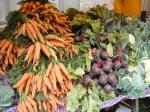
Fresh, organic carrots piled high
As soon as I set eyes on the first stalls piled high with freshly picked organic vegetables, I was won over. The collection and variety of food would have excited anyone, let alone an expat as starved of such a range of locally made or freshly grown produce as I am. I waited impatiently for my Gloucester Old Spot organic sausage in bun and positively dived into the throng.
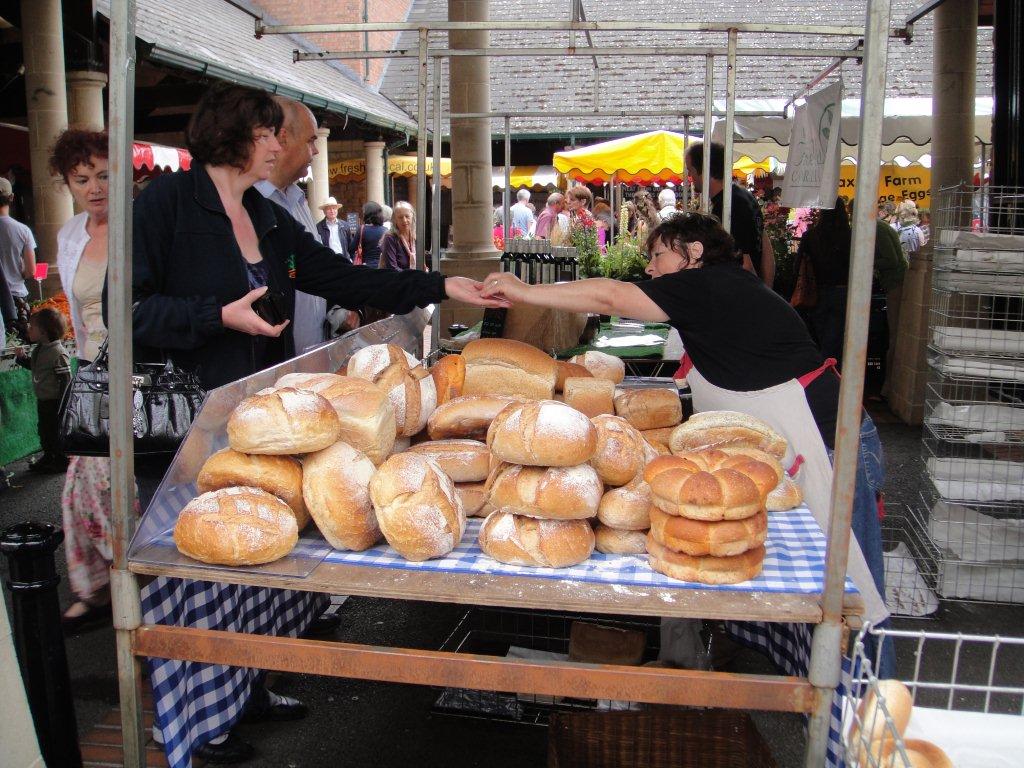
A great selection of loaves
When my husband arrived in England several weeks later it was one of the first places we went to and he was equally enthusiastic. There is a comprehensive list of all the producers on the Fresh n Local website; some don’t go every week meaning there is always a different mix.
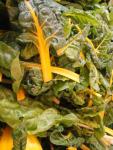
Unusual marmalade chard
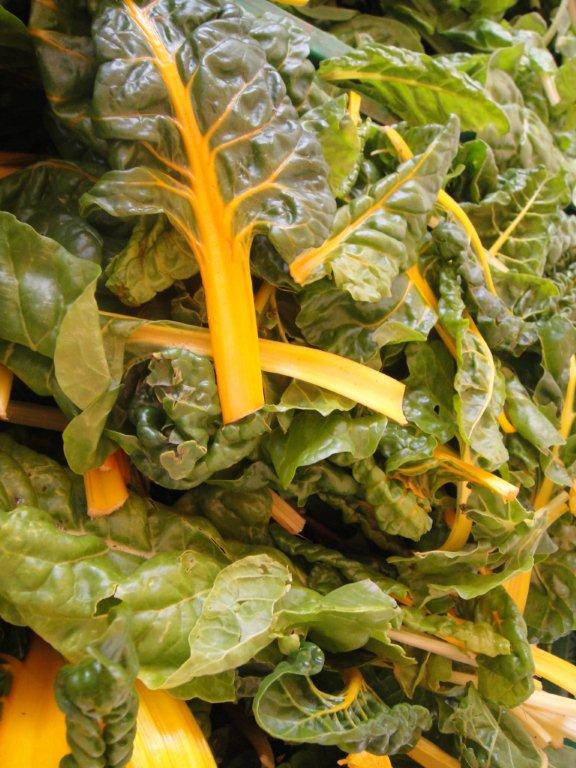
I bought some beautiful marmalade chard (which I wilted, dressed with a little olive oil and black pepper and ate pretty much single-handed that evening). We met Jess Vaughan who sold us some milk from her Jess’ Ladies Organic Farm (non-homogonised which means that the flavour changes throughout the year depending on where the cows are in pasture). Five Valleys fruit cordials made by Chris and Becky were superb and we left with a bottle of lemon and mint – our summer drink.

Cotswold brie
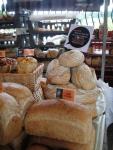
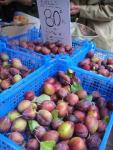
On our first visit British cherries were in season, my favourite fruit; on the second plums had just ripened and the red cherry stall transformed into a purple one with about five different varieties of juicy plums, fresh with their powdery bloom. Cotswold brie was bought from Simon Weaver and taken to Scotland as a gift and the owner of the Selsley chutney stall waited very patiently while we debated which of his many varieties to take home. Airline weight restrictions meant we had to restrain ourselves to one jar – spiced plum with sloe gin. Small producers love to talk about their passion and we learned a lot from the South Africans now owning an English orchard and producing Day’s Cottage single variety apple juice. There was a good choice of real bread including the Hobbs House bakery from nearby Nailsworth that is growing in fame (given a boost when it appeared on Mary Queen of Shops).
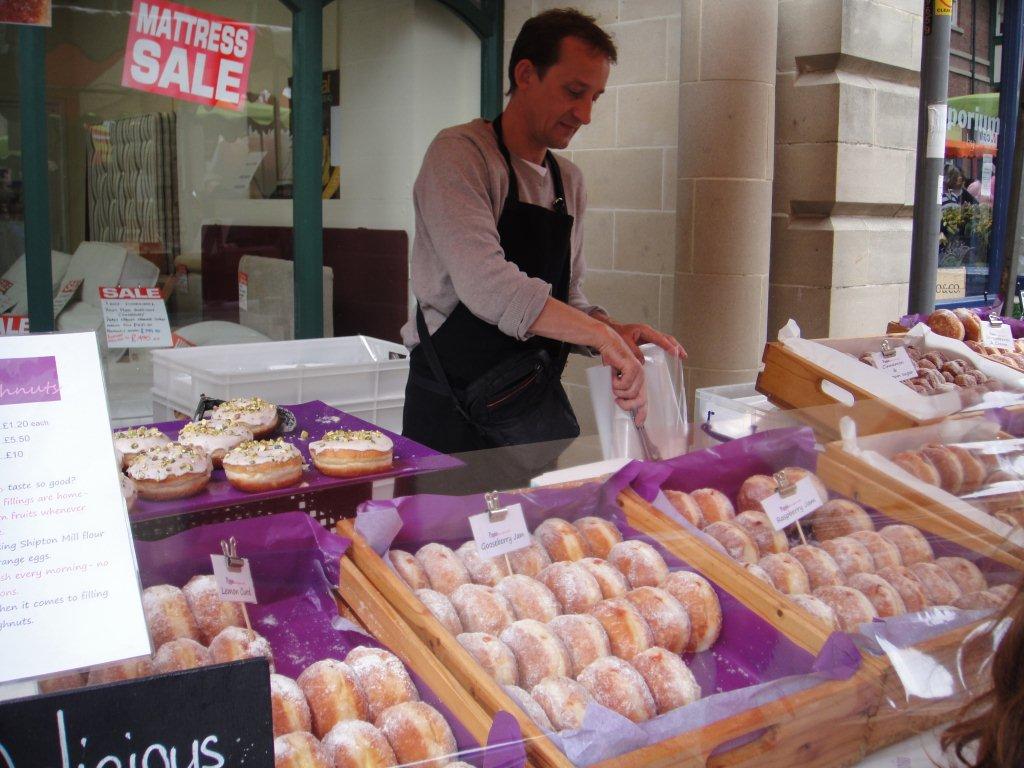
Pippin doughnuts - wish I'd tried one but too full from the organic sausages
A great selection of little shops made a backdrop to the market and adjoining lanes including some great delicatessens, Walkers – another local baker, Oeno – an independent wine shop, Made in Stroud and a quirky fossil shop packed with wonderful ammonites and glowing stones.
Writing this now I’m grinning with the memory of it as widely as my daughter when she ate her fresh Pippin doughnut (who use local flour and eggs and locally grown fruit to make the jammy fillings which change according to the season).
We’re a funny lot us British, we simultaneously embrace the intensive mass-production of things like McDonalds, Oreo cookies, poptarts and whoopie pies as fast as they can be dispatched across the Pond, while supporting fabulous markets of good, fresh, locally produced, honest food. Let’s hope the latter prevails.
-

- Fresh, organic carrots piled high
-

- Gloucester Old Spot sausages
-

- Pippin doughnuts – wish I’d tried one but too full from the organic sausages
-
- The busy stalls
-
- Cotswold brie
-

- A great selection of loaves
-
- Unusual marmalade chard
-

- Very nice Gloucestershire Brie – shouldn’t think the French approve.
-
- Bread from Hobbs House Bakery
-
- Piles of organic vegetables complete with chemical free soil
-

- Looking through stalls to green fields
-

- Walkers the baker
-

- Made in Stroud – stocking locally made goods
-

- Oeno – an independent wine shop, a rarity
-
- The first of the season’s juicy plums
-

- Beautiful chard at the Stroud Farmers Market
-

- Lovely loaves
-
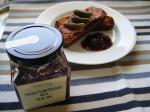
- Spicy plum and sloe gin chutney – in it’s new home in my Dubai kitchen
Where are your favourite farmer’s markets? I’d love to hear where you enjoy buying fresh, local food.
A taste of Islay – Kilchoman 2010 Summer release
As far as travelling in the UK is concerned, I admit to being a real Southener. Born and brought up in Gloucestershire, I love the rugged Cotswold countryside, the rolling patchwork fields of Dorset, the wilds of Dartmoor and the stunning Cornish coastline. I’ve rarely been father North than Manchester so I was really excited when we planned a visit to the Isle of Islay; the only other time I’d visited Scotland was when I got married (no not Gretna, at Gleneagles darling). I have to admit that whisky is very far down my list of preferred drinks and I’d rather have bourbon to mix with ginger ale than blended scotch. I was about to get an insight into the fanatical world of the single malt.

I have to declare an interest here – we were staying with Anthony and Kathy Wills, who set up Kilchoman, a farm distillery which is the first to be built on Islay in 124 years. Kil means church and the farm is a short distance from the ruin of Kilchoman. We arrived in the lashing rain, the island looked grey and gloomy, but as we ran into the visitor’s centre we were instantly warmed by the smell of malt and peat that wafts out of the buildings. We had a quick look around, guided by Anthony, and a quick taste but I returned the next day, in brilliant sunshine, for my own private tour with Laura (daughters both happily cantering on a beach courtesy of riding centre next door and husband on golf course). I won’t try to describe the whisky-making process accurately in detail as there was far too much to take in but I was rapt as Laura rattled off some fascinating facts and figures with obvious enthusiasm. (The Loch Lomond website gives a good step by step description). There is a mystique about taking a humble looking grain and transforming it into something that one day might sell for $70,000
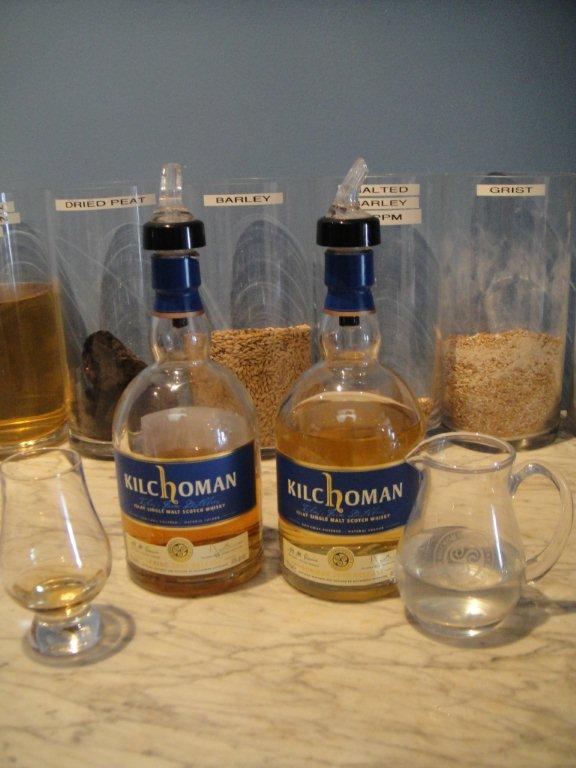
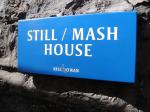
The difference with Kilchoman, and part of the appeal to me, is that all their barley is grown on the island and much of it right on the farm where the distillery is based and using the local water. The golden, wispy heads of the barley trembling in the breeze was a glorious sight as we entered the gate. The process they use follows traditional farm distillery methods such as germinating the barley on the floor of the malting house and turning it by hand with wooden paddles. The barley produces the necessary sugar from its stored starch during this stage – Anthony showed us it was ready by opening up a grain to reveal a sprout that was 2/3rds of the way inside, the optimum length. We left the malting house and looked into the peat-fired oven where the grains go next to stop their germination and start the complex journey to build the unique taste of the single malt. The barley is then ground into quite fine powder like flour (called the grist – hence the expression). Getting just the right texture is important before it’s combined with water to make the ‘mash’. I loved peering into the darkly lit mash tun to see the golden, porridge-like substance slowly stirred with paddles. After this the liquid is drained off and the fermentation stage starts. I got to taste some of the watery foaming liquid which is only about 5% alcohol at this stage (and could be turned into beer). It was pretty insipid although Laura said some people absolutely love it.
Then comes the start of the magic transformation, the distillation. The stills gleamed in the sunlight from the window and I was starting to fall under the spell. The spirit is distilled twice to take out impurities and obtain just the right strength. I stopped to chat to the distilling team and as well as whisky we spoke about the stunning scenery of the island; the quiet enthusiasm they have for both was palpable (my trek blog has more about walking on the island).

What gives each single malt its unique flavour? The water, the barley, the peat smoking and t.l.c. all play a part and the final maturation in oak barrels defines its character. Kilchoman uses mainly bourbon barrels from the Buffalo Trace distillery and olorosso sherry butts. I did spot a Yquem cask too – very interesting. The distillery is very young, open in 2005, so there have only been a few releases – the inaugural release, Autumn 2009 and Summer 2010 – the first two selling out rapidly and the Summer release going fast.

What did it taste like? I must stress my opinion as a complete novice here. I tried the Autumn release first and it was exactly as I expected to it to taste – a bit sweet, a bit spicy and very smoky. If amber was a taste it would sum it up. The Summer release was a surprise though – it was fresh, with some citrus notes while warm and comforting with the peaty smoke taste – fabulous. I hadn’t expected to find drinking neat single malt whisky at 4pm very easy – but this was a great experience. I happily handed over my credit card for my own bottle of Summer release plus some gorgeous gifts from their visitor’s centre (which also has a cafe serving great home-made food – I can personally vouch for the soup including Cullen Skink, the paninis and the cakes).

I started to understand why people visit Islay as whisky tourists (there are 8 distilleries on the island) although not sure I would ever buy a branded tweed tie! I have a feeling that this won’t be the last time I write about single malt.
(If you are interested in more expert descriptions of the Kilchoman releases, visit their website or Whisky Israel (yes really!), Master of Malt, The Whisky Shop blog or whisky for everyone to list a few.)
-
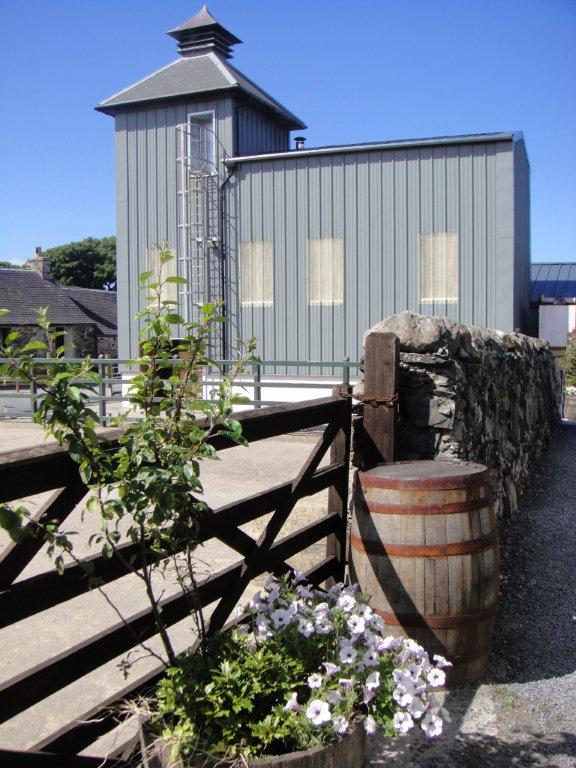
- Kilchoman – The Malt House
-
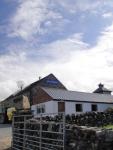
- Kilchoman – a farm distillery (note the tractor)
-
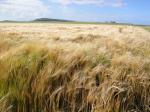
- Barley grown on the farm with the ruined church of Kilchoman beyond
-
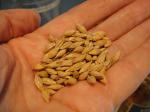
- Unmalted barley – where it all begins
-
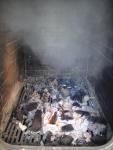
- The peat oven dries the barley and adds a smokey flavour
-
- Where the transformation takes place
-

- The warm mash
-

- The wash after fermentation – yes I did taste this.
-
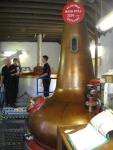
- At work in the distillery
-

- All the testing is done here – ignore my refection!
-
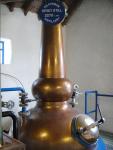
- The second distillation takes place here
-
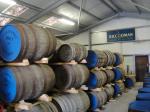
- Maturing barrels – mainly Bourbon Trace
-
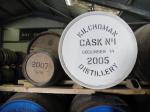
- The first ever barrel of Kilchoman
-

- Lovely old barrel in the warehouse
-

- Yquem barrel – I’d like to taste that one
-
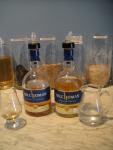
- Ready for tasting – which I did (with enthusiasm)
-

- The visitor’s centre and cafe
-

- The view from the cafe window
Round The Oa
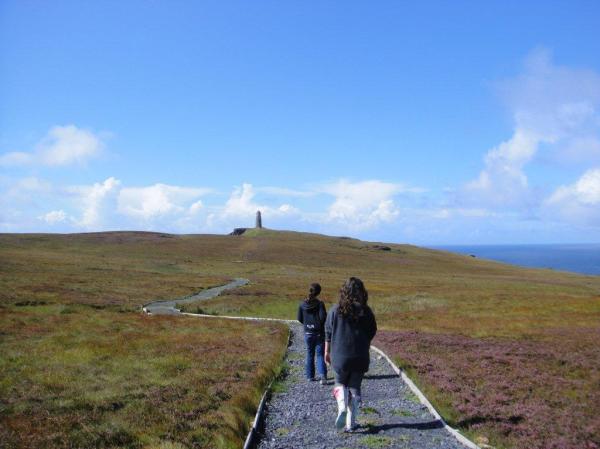
The path to The Oa
I never believed that the weather would be so glorious when I visited Scotland for only the second time in my life. My first visit had been in October 1994 when I got married at Gleneagles. I packed huge jumpers, scarves, coats and gloves for that visit and it had been an Indian summer leaving me casting about for lighter clothing. We arrived on the isle of Islay to drizzle that turned to teaming rain and when we joined our host for a walk along the beach the next morning at 7am it promised more of the same. By 10am it was bright and just got hotter and hotter, the brilliant sunshine and blue skies revealing the countryside in ochre, sienna and purple tones of unbelievable intensity.
We drove towards Port Charlotte and took a right turn which led us to part of the island called The Oa. A narrow road snaked on and on eventually ending in a small car park with information from the RSPB to look out for golden eagles, otters and corncrakes among other things. The path was well signposted towards the monument taking us through a nature reserve of wild flowers and past a field of Highland cattle (more of them later). The gravel path ended, there were wooden platforms to negotiate sections of boggy land but wellies were the best choice of footwear (my husband was wearing sandals and had an up close and personal experience of a mud bath). The monument was built to commerate the sinking of an American troop ship that sank in 1918 towered ahead; how on earth they managed to build it in such a remote spot is mind boggling.
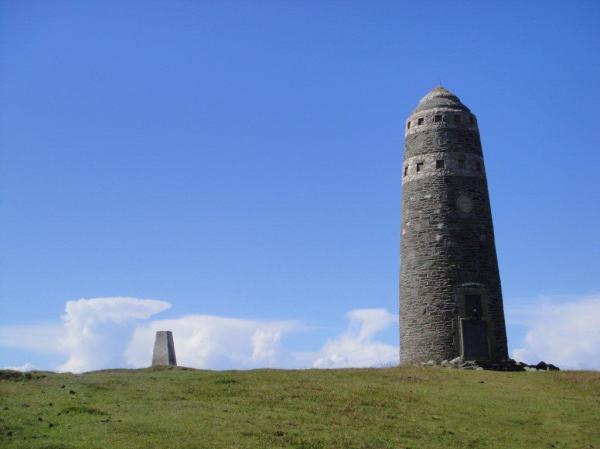
Monument and trig point
It was a visual feast for the eyes with the black cliffs meeting the deep blue sea dramatically. The day was so clear that you could easily see over to Portnahaven in one direction and Northern Ireland in another. The path continued along the coast through the heather that was just coming into bloom. As you turn to start walking inland you can see a waterfall – more drama.

Dramatic cliffs
Mounting a stile we entered a field full of Highland cattle with their fluffy calves, right across the path. Coincidentally we had had a long conversation about people we knew who had been attacked badly by cows (including my Aunt who nearly died) and agreed that the most dangerous situation is when they are protecting their calves. My husband was very protective of our own offspring and suggested we turn back; I, however, urged us to go forward as I’ve encountered Highland cattle and calves many times on Dartmooor. They look menacing with their long horns but seem incredibly docile. We edged nearer and saw a lone hiker coming the other way; laughably we must have all had the same thought as we slowed to a stop…let them go first. I had realised quite early on that one of the beasts was a bull (it’s quite obvious). We stuck together and walked through unscathed – the hiker picked his way gingerly on the other side.

Me and the view and big smile
We rounded a farmhouse, struck out on the lane and we soon back at the car park. I think it was about 3 miles of breath-taking beauty. I hope my photos can do it justice.
Click on an image to view the gallery.


Picking then eating – a visit to Riverford
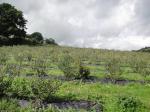
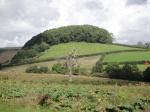
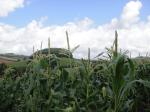
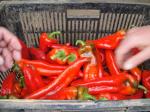
I ran down the lane to the Field kitchen, breathless, 10 minutes late, wellies in hand, my family hard on my heels and was met our Riverford Farm guide who calmly assured me the tour had not started yet. It made my day, I relaxed and bit into a fresh Bath Beauty apple that he encouraged us to scrump from a tree. For the next couple of hours we strolled around the Devon fields viewing, touching, smelling and tasting some of the organic fruit and vegetables that go into some of the 47,000 veg boxes that are delivered around the UK.
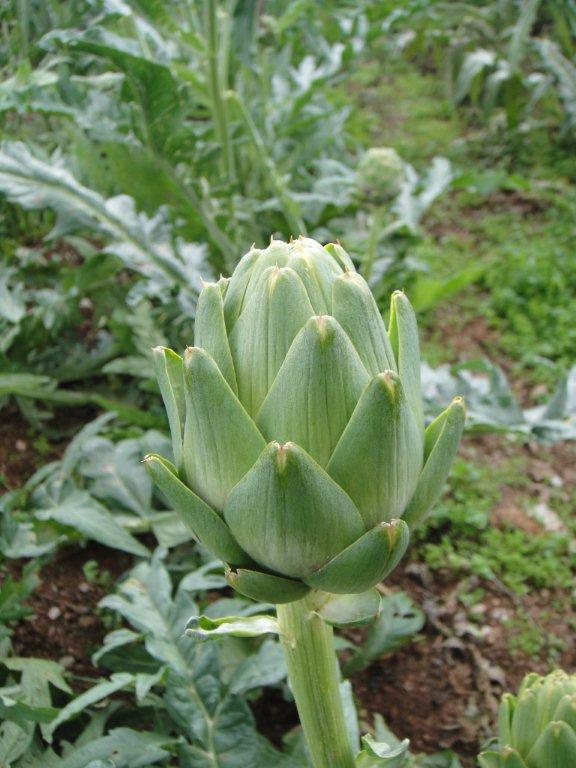
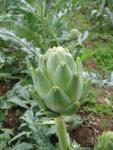
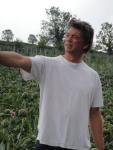
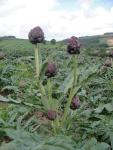
We met founder Guy Watson in the artichoke field and he demonstrated how to prepare one while talking us through some of his favourite recipes before going back to harvesting. It was hard to believe that he runs the hugely successful Riverford Organics that he started by delivering boxes to 30 friends as we watched him wend his way through the rows, popping globes into his back pack. We learned that the Field Kitchen cook the meals for the local school – lucky children. After a tractor ride, a frantic raid on the tomato plants and the most juicy and sweet plums that we had ever tasted we returned to the Field Kitchen for lunch.
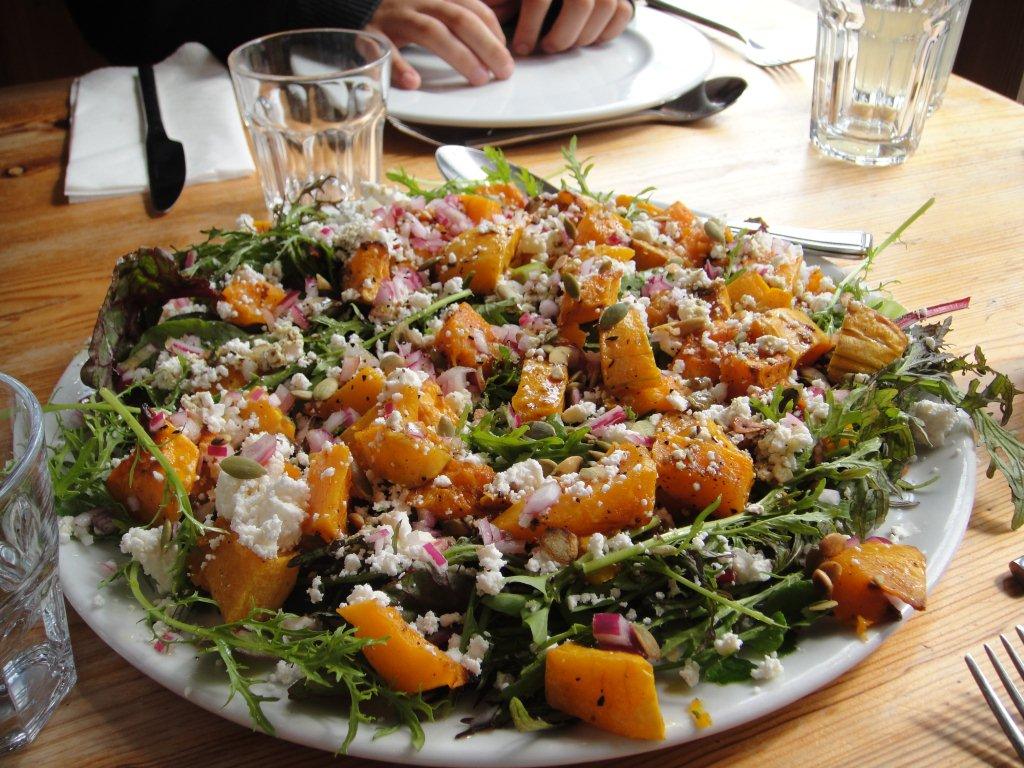
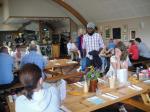
The canteen style layout meant we were seated at a table with another family and we all shared the dishes delivered by friendly staff. The menu is determined by the produce picked from the fields that morning. The kitchen is run by Jane Baxter who, among other things, has taken over the New Vegetarian column for the Guardian vacated by Yotum Ottolenghi. Like Ottolenghi the focus is on vegetables rather than vegetarianism.
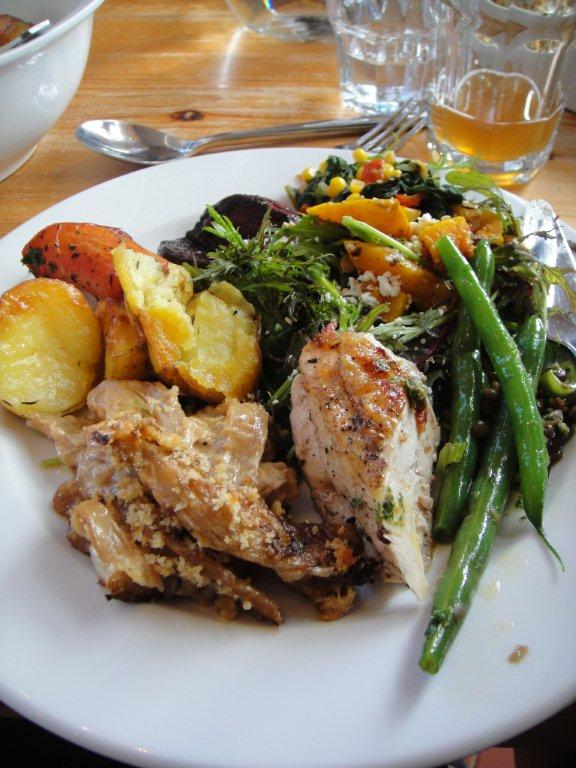
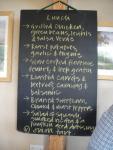
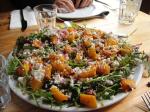
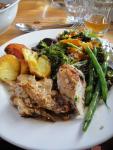
We all tucked into the food with gusto, from the toddler in a high chair at the end of the table to his delightful grandparents. The leek and florence fennel gratin pleased my husband who normally shuns creamy recipes. The roast potatoes with garlic and thyme disappeared immediately. I didn’t detect the caraway in the roasted carrots and beetroot but probably because I ate them too quickly – the sweetness was addictive. The grilled chicken was the only meat dish, paired with earthy lentils and glossy, fresh, green beans. My vegetarian daughter had deeply sweet onions in a crisp pastry tart as her alternative.

We were summoned table by table to the counter of the open kitchen to choose from a sumptuous array of puddings from cobblers to crumbles, tarts to Pavlova. Husband and I chose raspberry claufoutis – a great balance of sweet with slightly sharp, daughter no 1 was very happy with her peach and blueberry crumble and younger daughter opted for dark chocolate and raspberry tart (surprise, surprise). As we sipped our coffee we watched the toddlers playing with a huge basket of toys – it was children friendly without compromising adult enjoyment. Guy and his family ate their lunch at a picnic table on the terrace. We were pleasantly sated and already planning a return visit next year. Just wish they’d deliver a veg box in Dubai….
-

- The Riverford Organics Field Kitchen
-
- Eating a Bath Beauty
-
- Globe artichoke
-
- Guy Watson shares his passion for organic food
-
- Guy Watson picking artichokes
-
- Purple artichokes – we tasted them raw
-
- Currants in the Devon countryside
-
- Rhubarb and a view
-
- Sweetcorn
-

- Eating the sweetest plums ever
-
- We helped ourselves to Romano peppers
-
- The menu
-
- The Field Kitchen
-

- Roasted carrots and beetroot
-
- Roast squash and smoked ricotta salad
-
- My laden plate
-
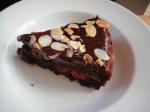
- Chocolate and raspberry tart
-
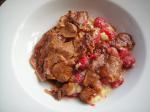
- Raspberry claufoutis
Haresfield Beacon and running in hiking boots
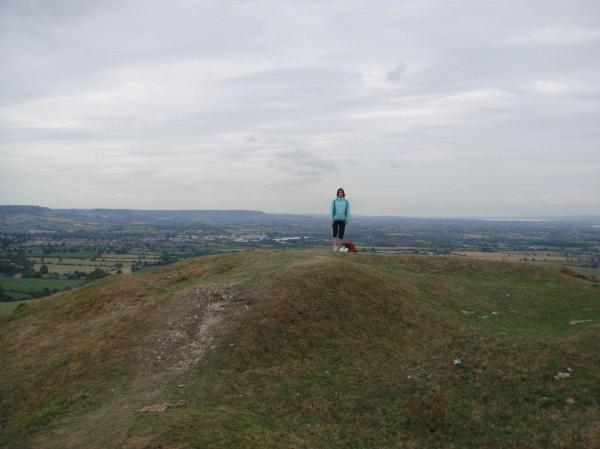
View of topography point with Severn estuary and Wales in the distance
I’ve been struggling to find a regime that will fit into my life and keep my fitness levels somewhere near those attained for my Lebanon challenge. I really felt the benefits – more energy, a better shape – but with a new job and the temperatures soaring in Dubai it’s not been easy. I need something that’s a bit more intensive than walking and doesn’t involve a drive to the gym.
Running has always been a bit of a swear word to me but when my sister who has never done any running in her life completed 10 km recently some thoughts were seeded that I never imagined would ever enter my brain. Still in England on my hols, I accompanied said sister on 5 km yesterday – she jogged, I walked (albeit at a very swift pace) and I ran for a short section too. I hate running but I also hate walking up steep hills but have learned to love them in a masochistic way. I mentioned these dark thoughts via Facebook to my super-fit Lebanon trek buddy Karen and she started sending motivational messages immediately.
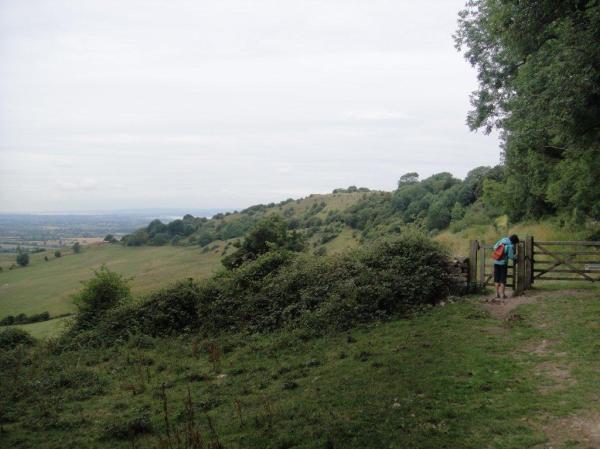
On the Cotswold Way towards the Haresfield Beacon
But back to my true love – walking. Sis and I thought we’d do another of the routes in the Pathfinder Cotswold Walks book (walk 18) and drove a couple of junctions down the M5 southbound from Cheltenham. These guides are great but I’ll supplement the directions when I think it will be useful. To get to the start of the walk you take an immediate left hand turn from the Stroud road once you’ve left the motorway slip road (from junction 12) which is brown signposted Beacon Inn. Continue to the village of Haresfield, go over a railway bridge and turn right by the village school then left to take you up a steep, narrow and winding road to Haresfield Beacon which ends in a National Trust car park at Shortwood. The day wasn’t extremely clear but we struck off diagonally right across the fields to reach the impressive bronze topograph viewpoint and were rewarded by really spectacular views across the river Severn extending to Sugar Loaf Mountain in Wales. Almost doubling back and following a wooded path to reach Iron Age earth works it was fantastic to walk along the ridge of these ancient fortifications to the triangulation point and Beacon for more great views. Doubling back again we reached the edge of a field to glimpse, through the wooded perimeter, a farmer herding calves by shaking a bag of cow nuts in front of them.
Crossing the road and enjoying more soft earth paths through deep woods we eventually reached a stone memorial commemorating the end of the siege of Gloucester by Royalist forces in 1643 and then an old well with an interesting inscription. On the next section of the Cotswold Way, watch out for the turning sharply right up through the woods. We missed it and had to double back – it’s at the end of the drive by the field which has a small camp with a sort of yurt complete with chimney and washing line.

My sister with walk book in hand
The path upwards was the steepest section but short and we were soon sitting on a felled tree trunk eating bananas for energy. Crossing the road and stile we entered a large field and headed for the right of the farmhouse in the distance. My sister began to run – she wore trainers – not to be outdone I did too despite the hiking boots and rucksack with 2 litres of water in it. The more I ran the more determined I became to reach the stile, Karen’s comments keeping me going. Gasping and wheezing as I reached the stile, I burst out laughing to see the creatures in the field on the other side of the road. They were alpacas and they stretched their long necks up and looked inquiringly as if to say ‘what on earth are you doing?’ What indeed.
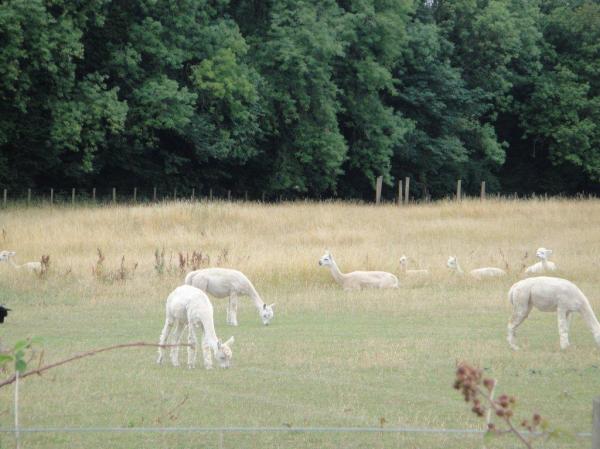
Alpacas in the Cotswolds
Don’t be tempted to take the first entry into Standish Woods. Continue down the road by Park Bungalow. I think this route through the woods is called the Robber’s Road. We left the woods by the 2000 steps waymarker (no sign of the conifer stands that are mentioned in the guide) and walked down the road into the village of Randwick to the Vine Tree Inn for a very good half of Bob ale (they are a CAMRA pub) while sitting in the garden admiring the view over Stroud and Painswick.
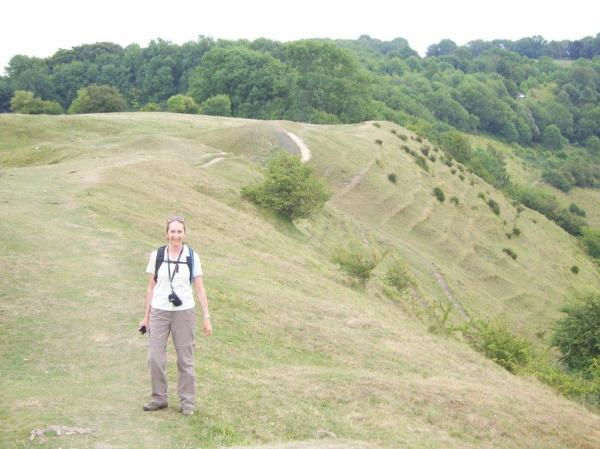
Along the earth works
Retracing our steps and taking the path opposite the red phone box, past a beautiful mare and foal, we re-entered the beautiful woods which made up the rest of our walk. The last bit was described as steep but it was actually a long and gentle climb taking us back to the car park. We took a left hand detour when leaving the village of Haresfield to look at the Beacon Inn which is an old Victorian railway pub and looked inviting…for next time. It was an invigorating and rewarding hike of 7 miles or 11.25 kilometres and took us about 3 hours 15 minutes (including our stop at the pub) which I would strongly recommend. Running in hiking boots entirely optional!
Click on an image to view the images in the gallery larger.









 My Custard Pie