A great pizza dough recipe

Ready for the oven
I was a bit ho-hum when pizza came up on the Fresh From the Oven baking challenge this month, but my youngest daughter was delighted. I usually use a recipe from Jamie Oliver’s Italy which works really well – otherwise, dare I say it, Pizza Express delivers cheaply and efficiently here in Dubai. Would this be a big improvement? The instructions were detailed – thanks to Lauren from Coffee Muffins – but I had a bit of trouble with ounces after so long with metric. I made a third of the quantity as some of the recent FFTO recipes have made gargantuan amounts. I used my Kitchenaid for the dough and it worked exactly as described. The dough is very soft – very unlike the springy Jamie version which can be an elastic devil to roll out.
Lauren warned us that the shaping of the dough was tricky and she was right. Even picking it up was difficult. I shaped it back into a ball and tried to balance it on my knuckles. After several tries I started to get the hang of it – working very quickly is the key. If I practised every day for a month I might make an even, circular pizza! I finished off by spreading with my fingers. The dough becomes very thin – almost transparent in places. I usually make a sauce by simmering tinned tomatoes with chopped garlic and a dried chilli for at least half an hour and then mash it with a stick blender.
-
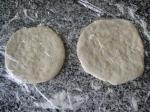
- Resting dough
-
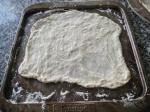
- Not very circular!
-
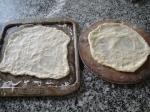
- I tried a baking tray and a pizza stone
-
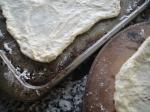
- Dough close up
-

- The dough seems to capture little bubbles of air
-
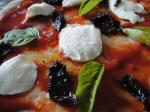
- Favourite simple toppings
-

- Ready for the oven
-

- Served hot, thin and crispy
For speed, this time I used passata, mozzarella and the some of the last basil from my garden (it’s getting too hot here now and the leaves are getting tough) plus some sun-dried tomatoes for my eldest who loves them. The dough stuck in places to the pizza stone but was absolutely fine on the baking tray. It was cooked quickly and devoured even quicker. My daughters asked for more but this made two smallish pizzas. I will make this again but use the cup measurements – it’s much easier than it looks and has an authentic quality about it. Even though the shape was homemade the pizzas resembled the ones you get in Italy – just the thing to transport me to the deli next to the Trevi fountain – oh for a wood-fired oven.
Here’s the recipe which comes from Peter Reinhart‘s The Bread Baker’s Apprentice (with lots of helpful hints from Lauren):
Pizza Napoletana
- 4 1/2 cups or 20.25 ounces (6.75 ounces) of unbleached high-gluten bread flour
- 1 3/4 teaspoons or 0.44 ounces (0.14 ounces) of salt
- 1 teaspoon or 0.11 ounces (1/3 tsp) of instant yeast (if using active dry yeast you will need to increase this by 25%)
- 1/4 cup or 2 ounces (0.67 ounces) of olive or vegetable oil, optional
- 1 3/4 cups or 14 ounces (4.67 ounces) of ice-cold water
Stir together the flour, salt and instant yeast in a large bowl. With a large metal spoon (I used a wooden spoon and it didn’t seem to make any difference) stir in the oil and water until all the flour is absorbed.
To do by hand, you need to stir with one hand and turn the bowl in the opposite direction with your other hand. You need to do this for 5 to 7 minutes, occasionally changing the direction as to really help develop the gluten. This method of mixing is actually quite a difficult task, sort of like rubbing your tummy while tapping your head, but as long as you are mixing the dough it should work out ok.
The next day a couple of hours before you want to cook them remove the dough from the fridge. Dust your counter with flour (and your hands) then spray oil on top. Place each ball on the counter and then gently press each into a flat disc about 1/2 inch thick. Top each with a little flour and oil and cover with another bag. Let rest for 2 hours.
At least 45 minutes before cooking put on your oven on at its maximum temperature (mine goes up to 250 oC, which worked ok) up to 800 F. If you have a baking stone put it in the oven now. If you don’t have a stone then you can use a normal baking sheet, just don’t preheat it first.
Now comes the tricky part to stretch out your dough, dust your peel or sheet pan with semolina flour or cornmeal. Coat your hands in flour including the backs and your knuckles. Gently lay the dough on to the top of your fists and carefully stretch it by bouncing the dough in a circular motion. As it starts to spread out you can move to the full toss method (flinging it above your head and hoping it doesn’t fall on the floor – good luck!). If it sticks to your hands at any point lay it out flat and redust your hands, continue stretching until it is the desired width.
Once you have reached the desired width place the stretched dough on the peel or baking sheet.
Now you can top it as you wish. I used a thin layer of tomato sauce, mozzarella, bacon and broccoli.
Now that your oven should have preheated, transfer the pizza to your oven. It should only take between 8 and 10 minutes to cook. You might want to turn it 180 degrees after 2 minutes, if you think it might over cook on one side.

A few bottles from our collection.
I made some banoffee muffins recently which were nice but a bit sweet for my taste. I’ve been searching for ages for a banana cake recipe which is a bit more grown-up and stumbled upon Chez Pim’s Morning-after banana bread which immediately got me interested. Now when I find a new recipe I usually follow it to the letter the first time to give it a chance, then if I like it enough to make it again I might tweak it a bit. However, I NEVER do this for cakes – this is hallowed ground for me and tremble at the thought of what adding or taking away would do to the proportions. Pim described the way she had tweaked the recipe inherited via a trail of lovely blog sites from a friend’s mum – adding sour cream for sharpness, whiskey for depth – and suddenly the penny dropped. I brazenly took the recipe and made it my own. My husband has won a certain annual golf tournament three years in a row (bear with me) and due to its sponsor we have a rather excessive amount of Jack Daniel’s in our house. I like it with ginger ale and a good squeeze of fresh lime juice but not enough to get through our stash. I thought the vanilla, caramel notes of it would really match the sweet banana. I was on a roll with deep, sultry flavours so used light brown sugar instead of granulated and added a tiny pinch of mixed spice to enhance but not overwhelm. I didn’t have the espresso required so used Nescafe Alta Rica granules. I hope you like my tinkering – I did and ate three warm slices straight away. This would make a great pudding served warm with creme fraiche or baked in bite-sized (well, several bites) muffins.
-
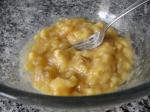
- Mashing the bananas.
-
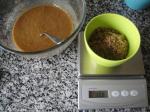
- Ready to add sugar.
-
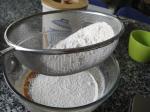
- Sieving the flour into the cake mixture.
-
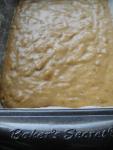
- Cake mixture in loaf tin. The secret’s in the JD.
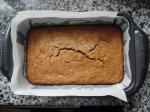
-
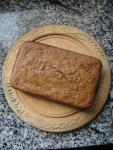
- Ready to cut into.
-
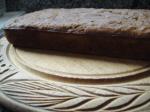
- Asking to be sliced.
Tennessee Banana Bread
3-4 very ripe bananas (350g of banana, if you want to be exact)
1 egg, beaten
1 tablespoon sour cream or yogurt
75g (1/3 cup) melted butter
a scant 1 tablespoon of strong instant granules such as espresso (I used Nescafe Alta Rica)
2 tablespoons Jack Daniel’s whiskey or other bourbon
150g (3/4 cup) soft, light brown sugar
1 teaspoon baking powder (soda)
1/4 teaspoon of mixed spice
1 teaspoon salt
175g 1 1/2 cup plain (all-purpose) flour
Preheat the oven to 175C (350F)
In a large bowl, mash the ripe bananas until creamy. Add the egg and sour cream, whisk to blend. Next add the melted butter, coffee granules and whiskey. Stir to mix.
Then add the sugar, baking powder, mixed spice and salt, and again stir vigorously until completely incorporated. Sift the flour into the bowl, stir, gently this time, until the flour is incorporated and you can no longer see spots of white flour in the batter. Butter and flour a 9” loaf tin (about 22 cm) or line it with a piece of baking parchment. Pour the cake mixture into the tin. Knock the tin on the counter once or twice to let the mixture fill it nicely and get rid of any air pockets. Bake on a baking tray for 1 hour, or until a wooden skewer inserted in the middle comes out clean.
Aubergines in tomato sauce and a Food Odyssey
I just visited a blog where someone is posting at least one meal they have eaten each day for a whole year. What honesty this takes, what pressure. While I’m similarly obsessed with all things foodie, to reveal your whole diet, warts and all, takes extreme courage and dedication. The monotony of most families’ menus would test even the most erudite blogger – how would you put an interesting spin on the shepherd’s pie you’ve had for the third time this month? And would the tail start to wag the dog? Would you decide against pilchards on toast and order in a smoked salmon and cream cheese bagel instead for photographic purposes?
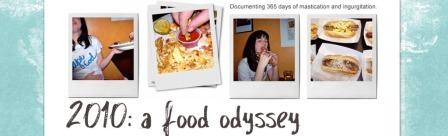 A Food Odyssey is a little time capsule about the economic and cultural eating decisions of a young single girl living in Abu Dhabi. She eats out a lot and her brisk restaurant reviews are great, “the sushi was fresh, unfortunately the service was stale”. Elysia Smith’s comfort foods are revealing of her American background and seem very alien to me; I dare say she would find my gravitation to Marmite on toast completely bizarre too. So I’ve put it to the test – just for one week. Here, being brutally honest, is what me (and my family) ate – at least one meal a day. Our 7 days of mastication and ingurgitation:
Sunday
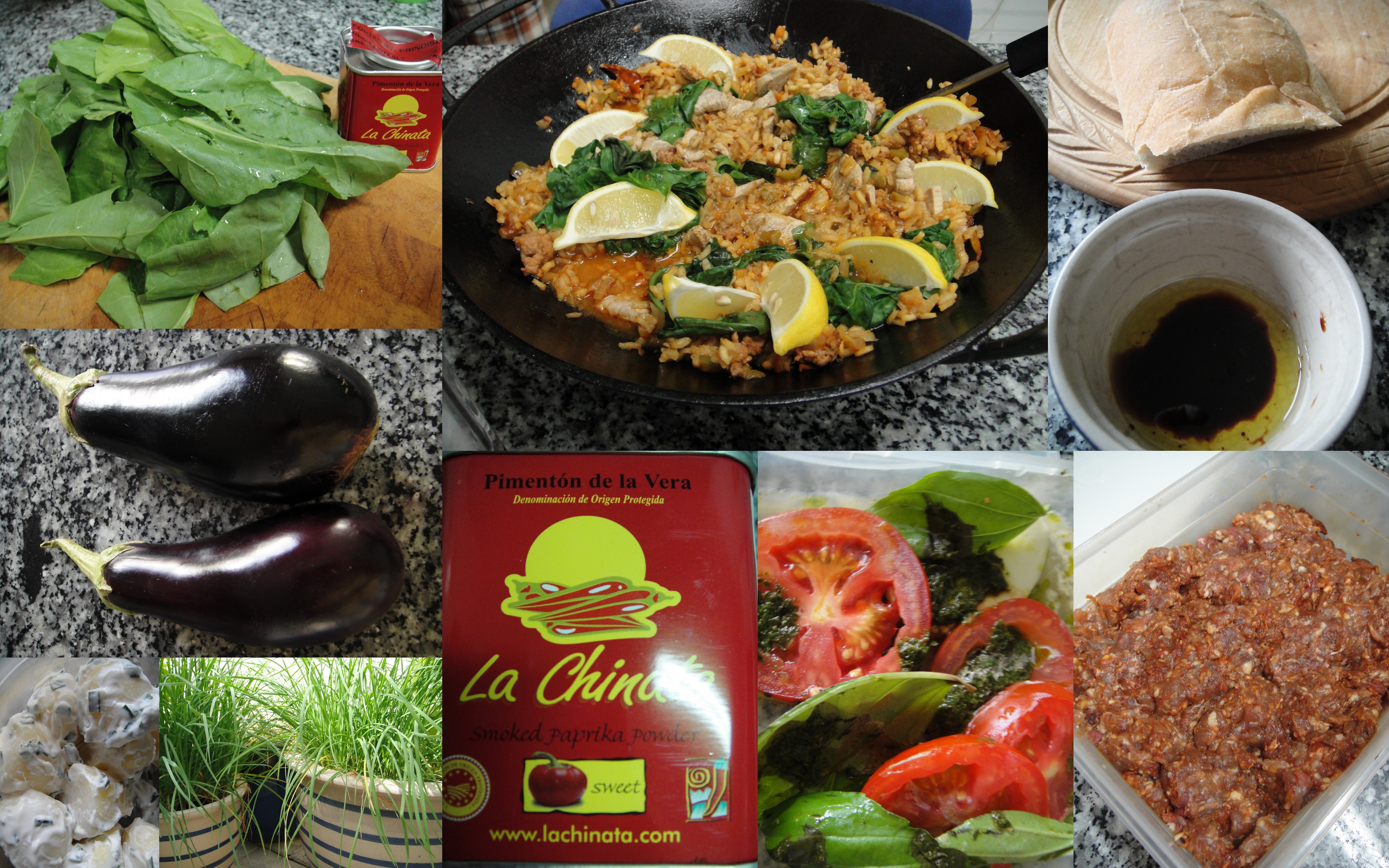
Day One – The week starts on a Sunday in the Middle East. Lunch was left-overs from the night before inspired by a visit to the organic farm shop. Tomato, basil and mozzarella salad (the basil is bolting in my garden). I blended handfuls of basil, olive oil, balsamic vinegar and seasoning to make a bright, fresh, green dressing. Farm fresh potatoes in a salad dressed with half mayo (from a jar) and half creme fraiche and my own garlic chives. Middle-Eastern-style aubergines in a tomato sauce (see recipe below) and ciabatta dipped in oil and vinegar. A gourmet supper was required to top this. I’d made the Tupperware chorizo earlier in the week – another fabulous recipe from River Cottage Every day. I used it in KP’s (husband) favourite meal – Paella de Cerdo con Chorizo y Espinaca. I usually use the salami type which is all I can get. This worked really well and what should have served 6 was polished off by four of us.
Monday
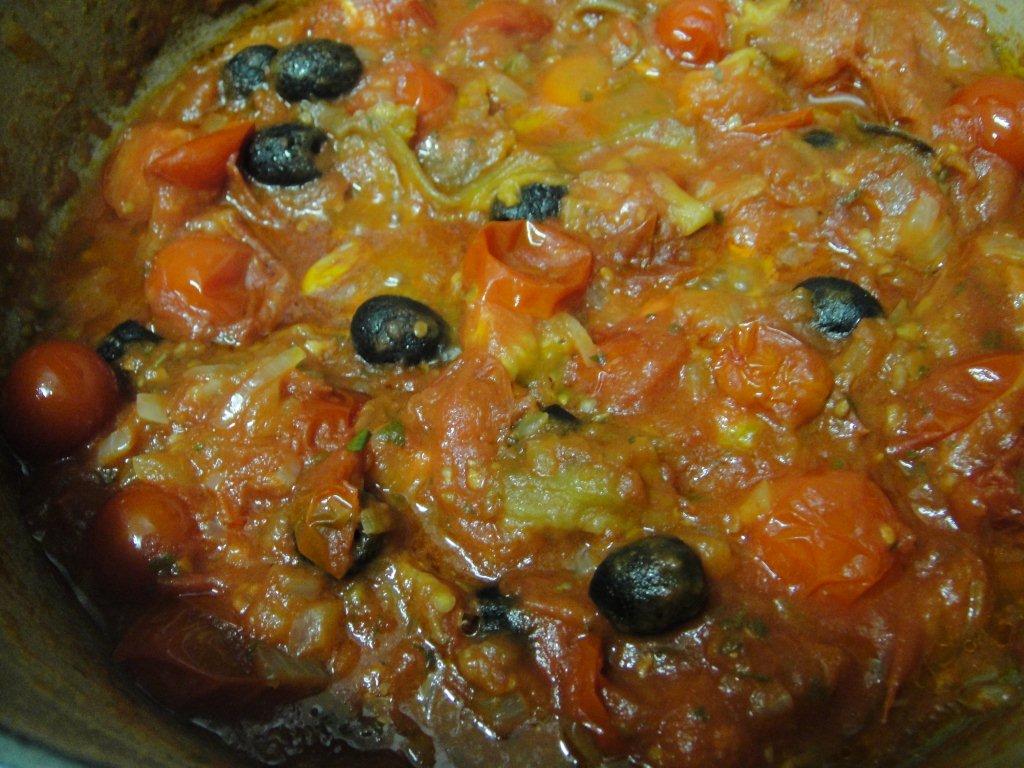
Day two – immediately went down-hill. I was rushing off to a concert so threw a family meal together from whatever was in the fridge. I made something like a spaghetti puttanesca but without the capers or anchovies (which my philistine family hates). I had a few punnets of very ripe organic cherry tomatoes which I softened with some chopped garlic. I threw in the last of the aubergine and tomato sauce left-overs plus some oven-dried tomatoes, a bit of passata, some black olives, a dried chilli and a handful of basil at the end of some slow bubbling and reducing. I didn’t even have time to take a pic of it on the plates with the pasta. I have to admit to loving this kind of food – thank goodness there was a bit left over for me when I crept in later.
Tuesday
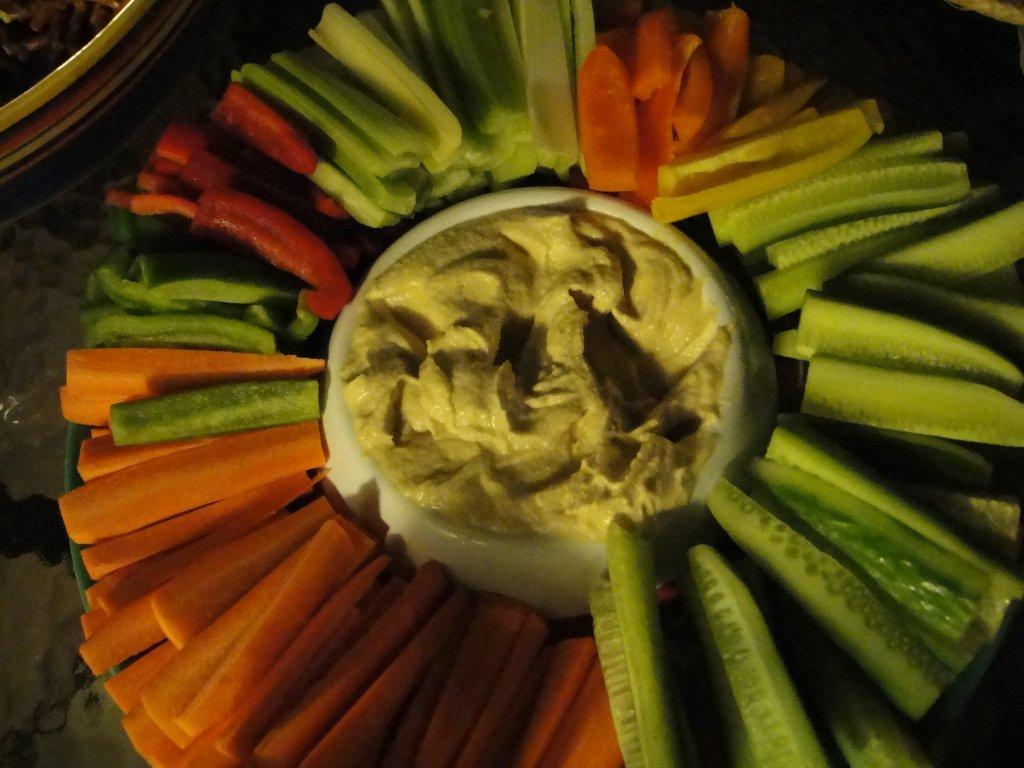
Day three – I’m already in awe of Elysia of A Food Odyssey. She must have great self-discipline and a very good memory. A quick word about pesto. What did we do before we could reach for that versatile green stuff in a jar? It’s the nearest I get to convenience food. I love the real stuff and make it a lot at this time of year but my enthusiasm for it is not shared by children and KP. My daughter slathers the jar stuff in sandwiches and it was my stand-by supper tonight. Revealing now what a negligent mother I am, I hot-footed it out the door to a lovely gathering under a clear sky and full moon with delicious nibbles (pictured). Now hummous is a whole posting in itself….
Wednesday
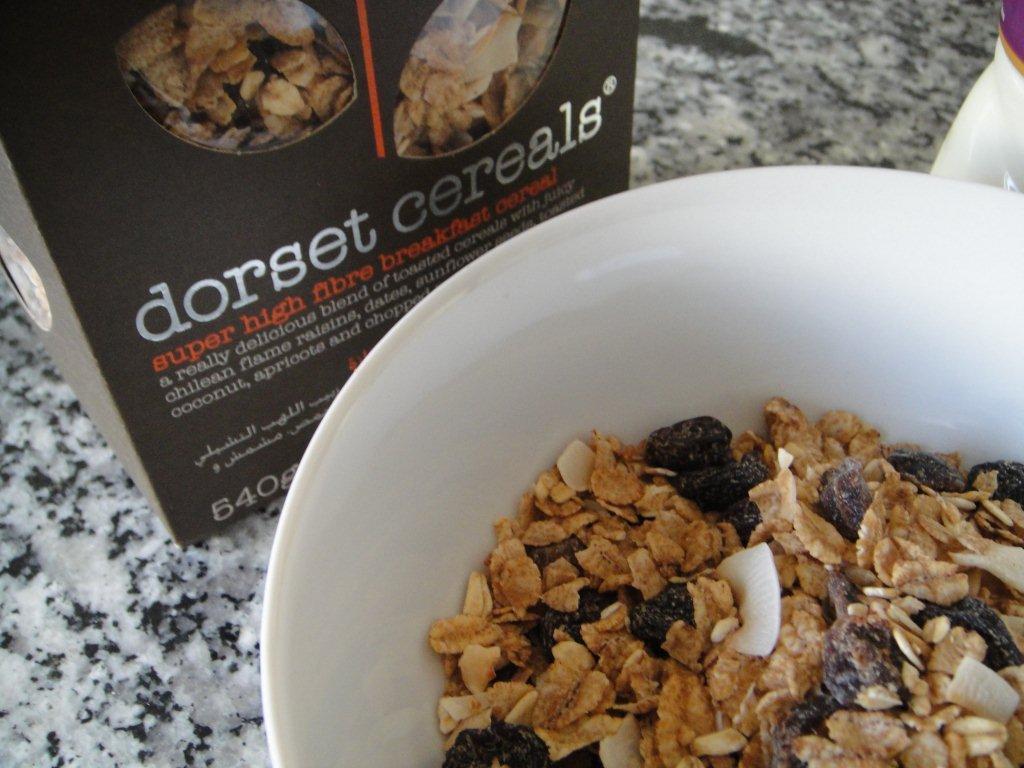
Day four – I can get quite passionate about breakfast. Smoked salmon and scrambled eggs on Christmas morning, creamy porridge eaten in the depths of winter (click here to watch the winner of the Golden Spurtle make the ultimate porridge) and of course the full English – crisp bacon, runny fried eggs (no easy-over for me), field mushrooms, grilled tomatoes and toast is my preferred combination. But most days it’s toast or muesli and I’m really into Dorset cereals at the moment (but NOT a fan of cereals in general – see this link to know why). Their website is a great source of little interesting quirky blogs too. I failed dismally in making home-made croissants today (a long story). Pasta again for supper – spaghetti carbonara with a salad – is that a bad thing?
Thursday
Thursday
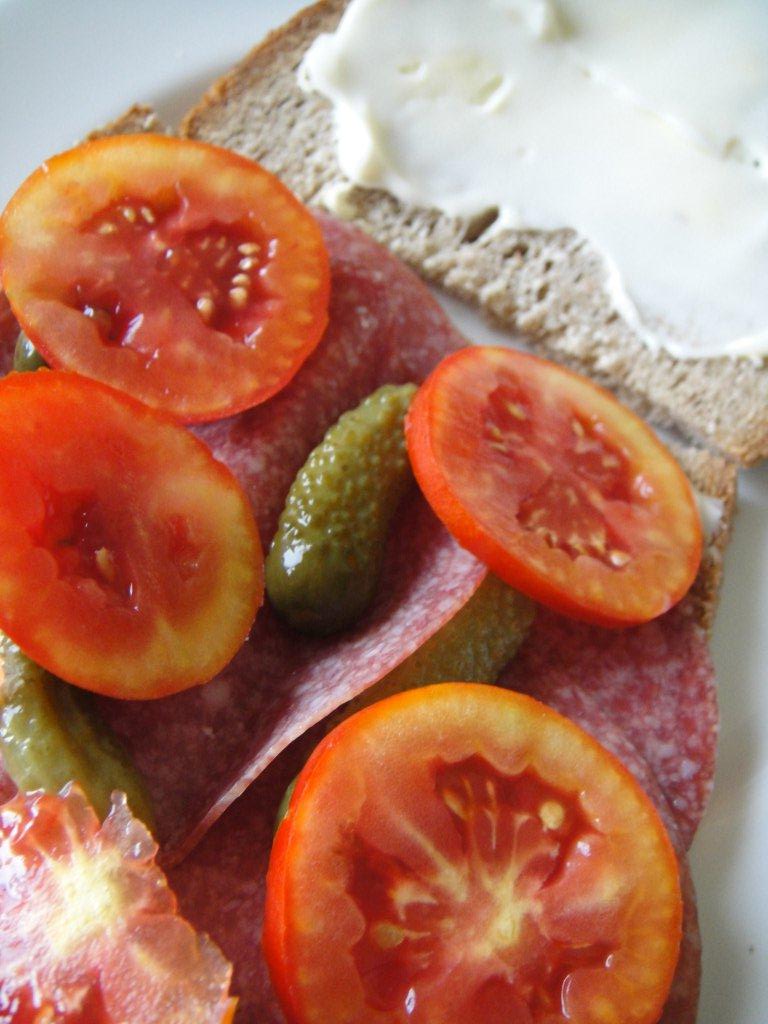
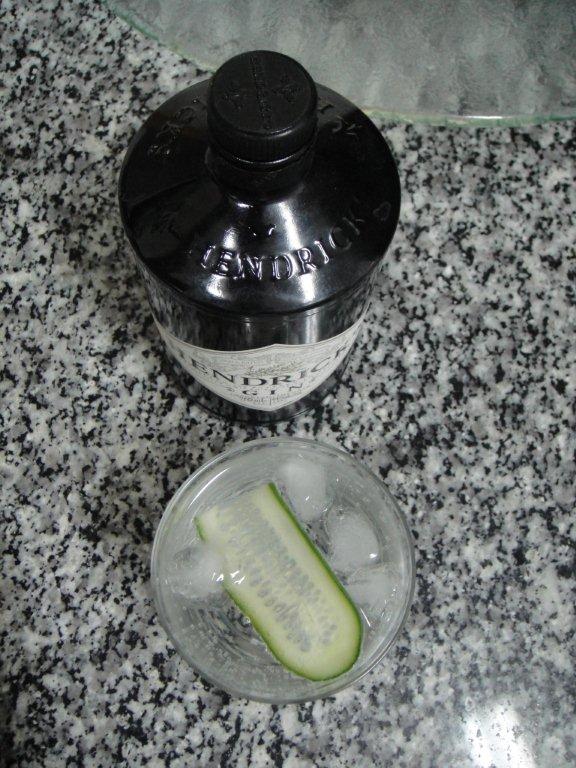
Day Five – I bought a hunk of German rye bread from Choitrams, my local supermarket, and sliced it as thinly as I could manage. A decent layer of unsalted butter is essential for rye bread and I slathered mayonnaise onto one side too. German salami, organic tomatoes and the tiniest cornichons made the filling salty, spicy, crunchy and sweet. An afternoon nap would have been nice after this but I had to keep going which I did with my ‘welcome to the weekend’ Thursday Hendrick’s gin and tonic in mind. The bottle looks medicinal and the juniper and slightly herbal flavours have a whiff of the chemist about them in the nicest possible way. Serve with a slice of cucumber.
Friday
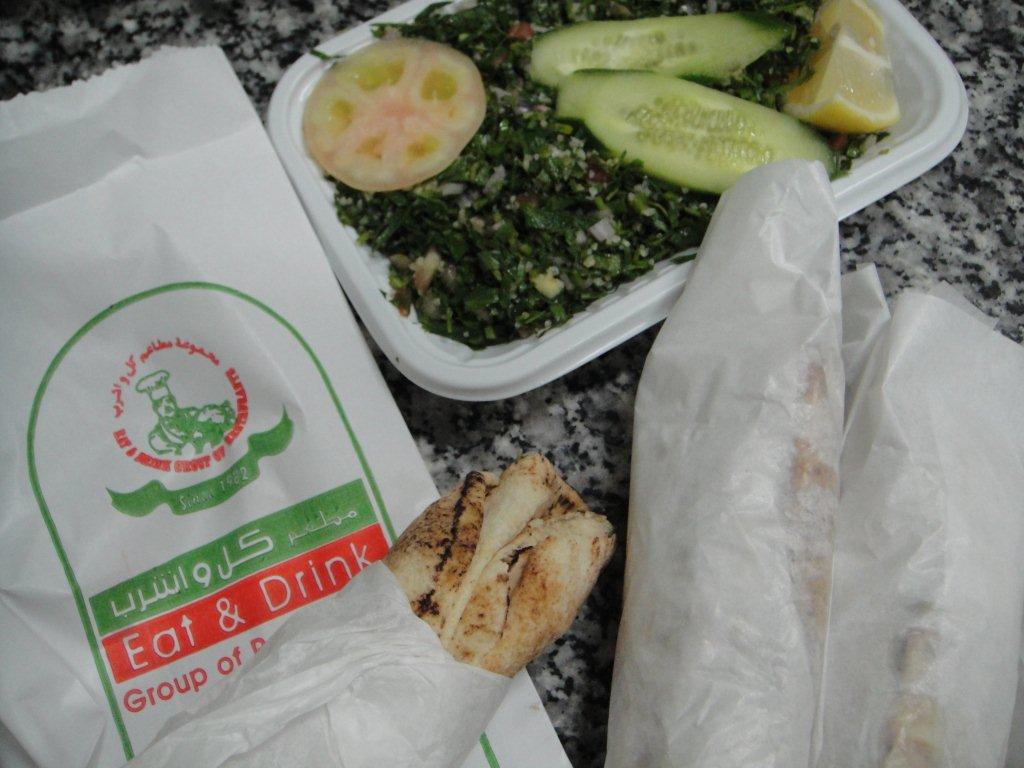
Day Six – The best shwarma I have eaten was in Saudi Arabia – they seemed to add a magic ingredient there. These from Eat and Drink were not world-class but the amount of custom they get means the chicken is very fresh with a delicious smoky taste. There is tomato and lettuce and a thin sauce which has as much in common with mayonnaise as tahini. There are no chips (KP’s favourite type) – I have to add hot sauce. The taboulleh is fresh and not too coarsely chopped. I love it – the astringent herbs make you feel like every mouthful is giving you enough vitamins for a week.
Saturday
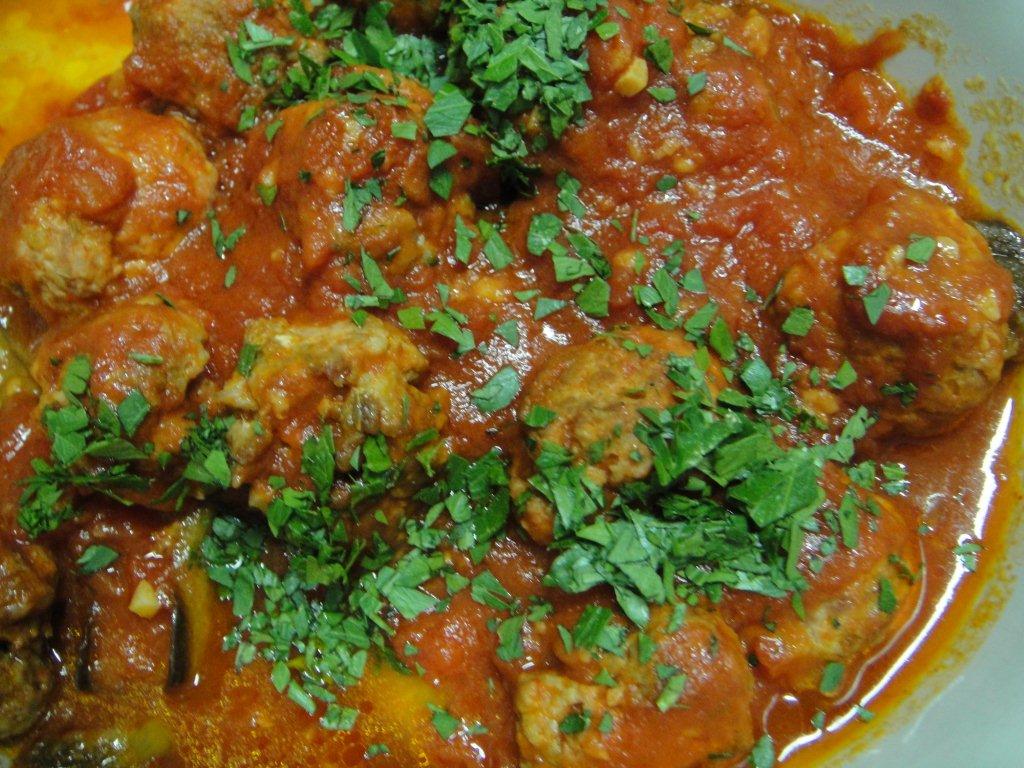
Day Seven – The tyranny of this week’s food record is nearly over – hat’s off to Elysia – I would not like to do this for a whole year. Everyone liked the grilled aubergine with tomato sauce so much that I made it again (recipe below). I used the tupperware chorizo to make meatballs, fried them in olive oil and added them to the tomato sauce to simmer for a short while before pouring over the aubergine. It might seem strange to add pork to a Middle Eastern dish but I think it worked. The spices in the chorizo were probably brought to the Spanish by the Arabs via the Spice route.
Grilled aubergine in tomato sauce.
(inspired by Claudia Roden)
Ingredients
- 2 -3 aubergines
- salt
- olive oil
- 2-3 cloves of garlic
- a tin and a half of tomatoes
- 2 tablespoons of wine vinegar
- half a teaspoon of sugar
- a dried chilli or a pinch of chilli powder
- Flat-leaved parsley, chopped
You don’t need to salt aubergines to extract the bitterness as modern varieties are mild. Peel the aubergines and slice them evenly, lengthways. Brush each side with olive oil and place on a baking tray (do one aubergine at a time to stop them discolouring). Sprinkle with salt and put under a hot grill for about 15 minutes. You need to keep a close eye and turn them over and round. When they are brown and very soft remove them to a dish.
Meanwhile make the sauce. Saute the crushed garlic in a couple of tablespoons of olive oil until slightly softened then add the tomatoes, vinegar, sugar and chilli plus a little salt. Simmer for about half an hour until you have a thick sauce. Pour over the aubergines and sprinkle with parsley. Serve cold.
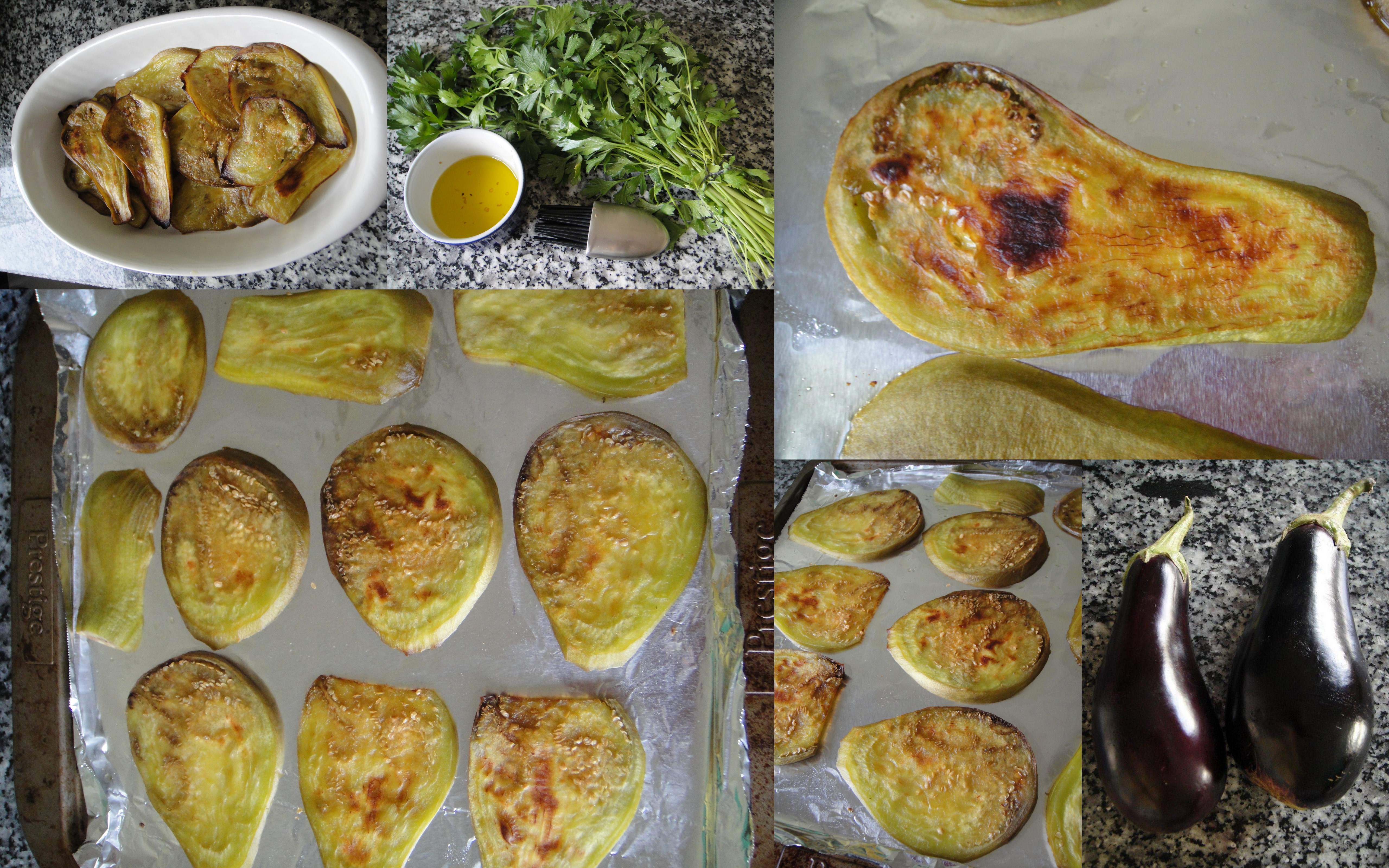
Grilling the aubergines
Farmer’s market at Souk al Bahar

The Burj Khalifa - backdrop to the market
Inside Souk al Bahar
Flag outside Old Town, Dubai
I was intrigued about a farmer’s market being held in Dubai, especially one with an organic claim. It was only a few weeks ago that the lovely Nazwa Farm Shop opened, revolutionising the way I shop. It seems incredible that there might be all these little organic farms out in the desert that we haven’t heard about.
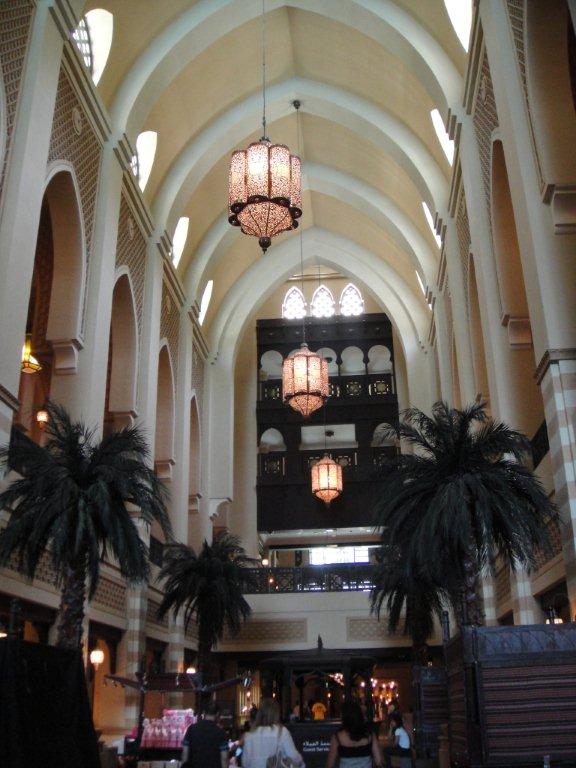
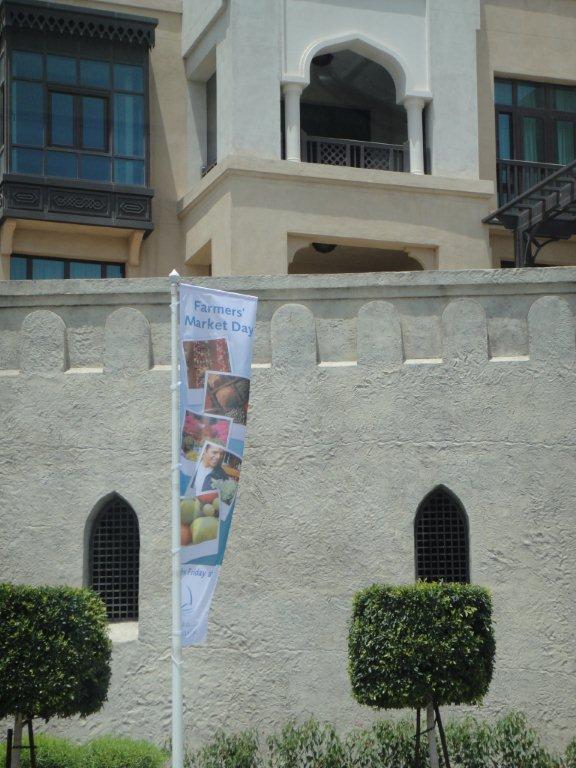
Souk al Bahar is a shopping centre that looks old but is actually very new. It takes many features from traditional Arabic architecture – windtowers, wooden screens, fortresses – to recreate an old-fashioned souk experience. It’s located in the heart of the new business area of Dubai, U.A.E., which has the tallest building in the world – the Burj Khalifa – at its centre. The contrasts couldn’t be more extreme. Baker & Spice, a restaurant which sources its ingredients locally, organised the farmer’s market, but as I drove up to the souk there were banners and flags galore announcing it with a strong EMAAR feel about it.
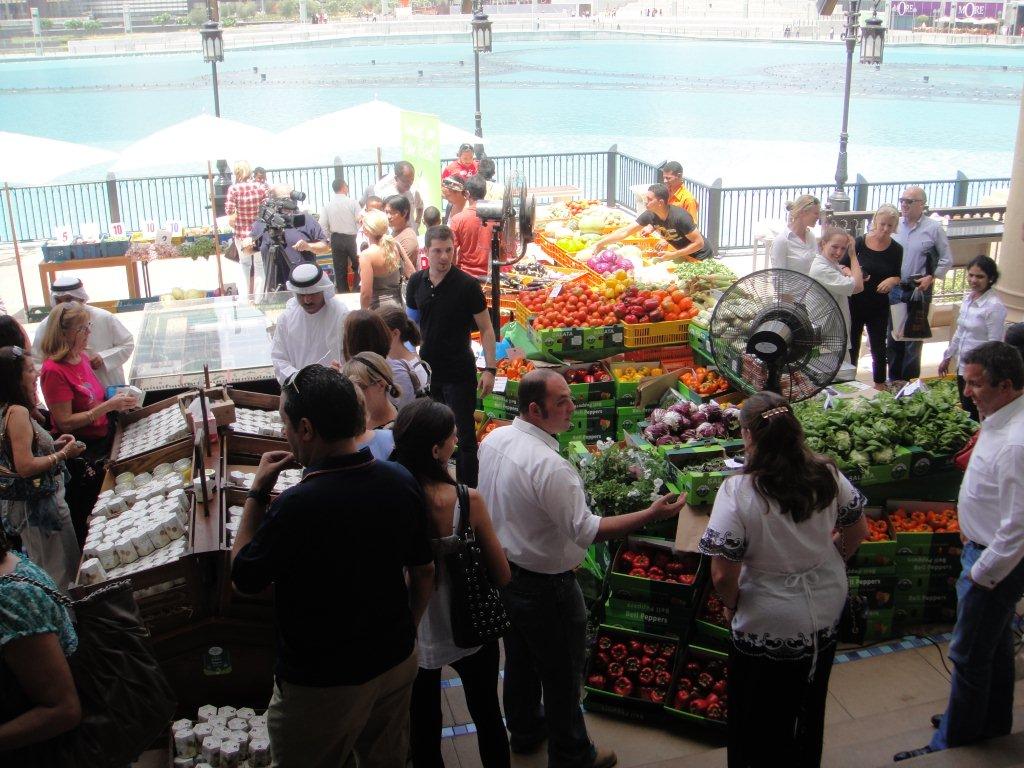
Arriving at the farmer's market
The market was on the water’s edge on the terrace outside Baker & Spice and Dean & Deluca and despite several fans dotted about it was too hot to linger for very long (about 36 C which is normal for April in Dubai). The stalls contained mainly fruit and vegetables plus there was a stand for locally roasted coffee and one selling honey. There were also some cages containing some rather sad-looking hens, ducks, Guinea fowl and rabbits. The produce looked fresh and vibrant although the salads were rapidly wilting under the beating sun. It did have a great atmosphere and people were bustling in and out. Quite often people try really hard to do something in Dubai but don’t get it quite right and although I’m really pleased that someone has had the vision to get this together I think that it had missed one of the points of a farmer’s market; that of being able to talk to the people who have produced the food i.e. the farmers. Most of the stands were more like market stalls with the friendly servers having little idea about the produce. It was all fairly local (food sourced as far as Saudi Arabia) not all was organic. On one stall there was an abundance of plastic packaging too.
-
- Can anyone tell me what these beautiful vegetables are?
-
- Market traders
-

- Many different shoppers
-
- Red peppers from Salata
-
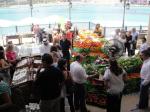
- Arriving at the farmer’s market
-
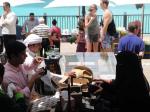
- Buying honey
-
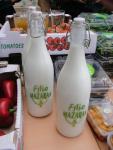
- Organic yoghurt
-
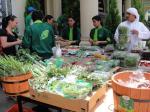
- An organic farm stall
-
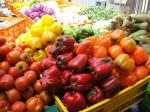
- Local from the UAE and wider region
-
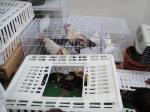
- Taking free range to the limit
-
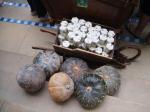
- Pumpkins and honey
Salata was one exception, manned by staff from the farm. This company is German-owned and uses hydroponics technology to grow their salads and vegetables. Although the goods are not organic the process means that 80% of all water they use is recycled and they need a fraction of the land requirements compared to conventional farming methods. I bought some crisp frisee lettuce and took a leaflet as they do home delivery. This looks like a good source of fruit and vegetables which haven’t done the food miles of the stuff in our supermarkets from Holland, Australia and the US.
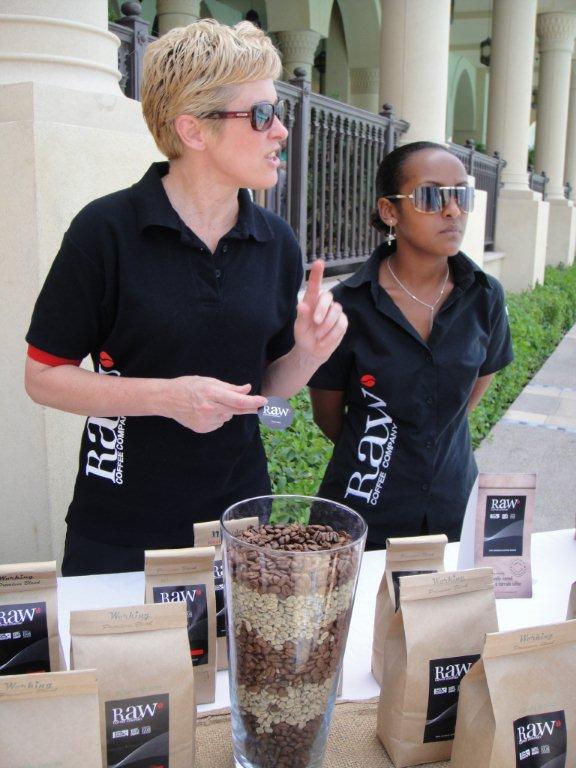
Enthusiasts from the Raw Coffee Company
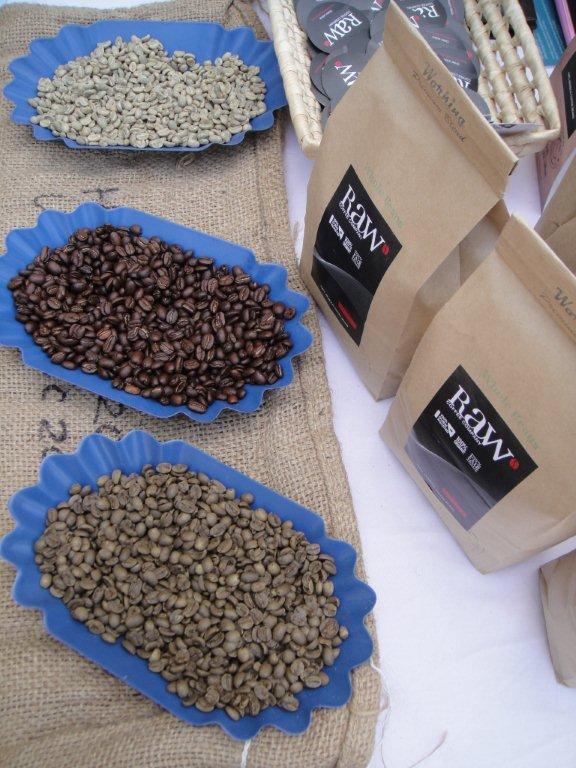
Coffee beans
The ladies from the Raw Coffee Company were really enthusiastic about their product. They import organic, fair trade beans from small estates around the world and then roast them in their boutique roastery. I had listened to the BBC Radio 4 Food Programme on my ipod that morning, while walking the dogs, about the ‘third wave’ of coffee. This started in Australia, hit New York and has really taken off in London. Foodies and coffee-specialists predict that we will all start to know a lot more about coffee and the types of beans and areas that they come from in a similar way that we know about grape varieties and regions in wine. Roasting the beans is a fine art so Raw are doing their bit to bring this high quality and expertise to Dubai. They deliver as well. I’m inspired to get a coffee grinder and know not to store my coffee in the fridge anymore.
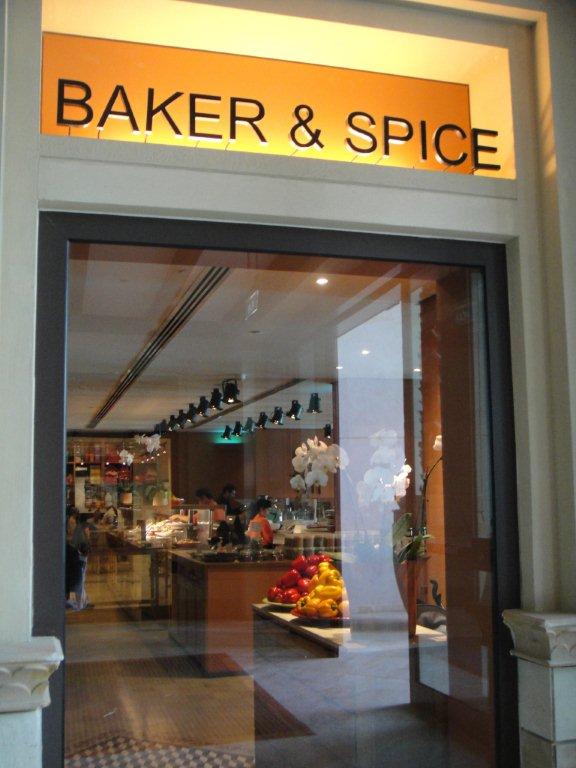
Baker & Spice, Dubai
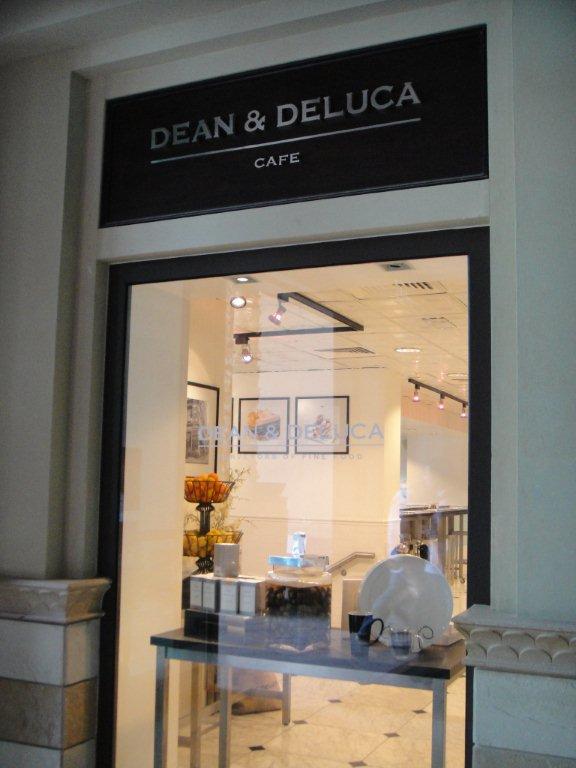
Dean & Deluca, Dubai
I regret not talking to the honey producer but it just got too hot and busy and people were swarming around him (sorry!). I left with the Salata lettuce and juicy peaches from Saudi Arabia, peering into Baker & Spice on my way out to look at the fabulous salads and making a note to return for lunch soon. Bravo to the organisers of the farmer’s market. It feels like there is a local produce revolution going on in the UAE and I’m so glad to be part of it.
Update January 2011 – Baker & Spice gave me this information:
The farmers market runs every Friday during the growing season in UAE which is between November and April, from 10am to 4pm. There are four different farmers at the moment and increasing… from Abu Dhabi, Al Ain and Lewa.
For details of future dates for the Farmer’s Market contact Baker & Spice
True blue – stilton and pear muffins
 Friends crowded into my house for a charity fund raiser last weekend which was based on the old TV show Call my bluff but involved wine. A panel of experts each described the wine we were all tasting and then the teams voted for whoever they thought was telling the truth. The winning score was 2 out of 6 wines but some teams scored 0. Either it’s not as easy as you think or the experts were particularly silver-tongued (i.e. good liars). Food was simple, a huge slab of roast Aberdeen angus, fresh bread rolls, a cheese board and a towering pile of chocolate. Generous companies donated the food and ‘cheese board’ doesn’t do justice to the cartwheel of brie, Yule log of goat’s cheese and tree trunk of delicious Stilton. The guests were valiant in their efforts but the Stilton remained undefeated and there has been more than a hint of blue about my family’s meals. I hosted one last charity event before my trek and had an open house this week. Integrating Stilton into a coffee morning seemed more of a challenge. Annie Bell inspired the trio of fairy cakes I made – lemon, chocolate truffle and banoffee. Stilton, pear, date and walnut muffins (recipe from The English Kitchen) were divine. The balance of sweet, salty, mellow and toasted was absolutely perfect. I ate mine for lunch, once the last tea cup had been cleared, with a rocket salad dressed with a trickle of lemon juice and walnut oil. In fact I need to bake another batch now. We may have conquered the Stilton mountain.
-
- Local dates plus walnuts and crumbly Stilton
-
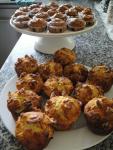
- I made dulche de leche to top the banoffee cakes – the stilton muffins had the starring role though.
-

- Another sunny day in Dubai
-

- The icing should have been thicker on these little, light, fluffy, citrus cakes
-

- Hoping lots of people will turn up to eat these
-

- The air was blue takes on a new meaning – fantastic aroma.
Pear, date & Stilton muffins
340 g plain flour
170 g caster sugar
1 tbsp baking powder
1/4 tsp salt
220 g tin of pears in juice, drained
100 g sunflower oil
2 large eggs
50 g pitted dates, chopped
70 g Stilton cheese, crumbled
50 g of chopped toasted walnuts (chop them then toast in a dry, non-stick frying pan)
To top:
12 walnuts, roughly chopped
Preheat the oven to 200°C. Line a 12 cup medium or large muffin tin with paper liners, or butter well and flour lightly.
Whisk the flour, sugar, baking powder and salt together in a large bowl.
Puree the drained pears in a blender or food processor and then scrape into a medium-sized bowl with a rubber spatula. Beat in the oil and eggs until well combined.
Add the pear mixture to the dry mixture, folding together with a metal spoon, just until all the dry ingredients are moistened. Fold in the dates, cheese and chopped toasted walnuts. Spoon into the prepared muffin cups dividing it equally amongst the 12 cups (an ice cream scoop is easiest for this). Sprinkle the 12 chopped walnuts on top evenly.
Bake for 22 to 24 minutes, until well risen and a deep golden brown. The tops should spring back when gently touched. Transfer to a wire rack to cool for a bit before serving.
“Half of what I say is meaningless,…
… but I say it so that the other half may reach you” Khalil Gibran, “Sand and Foam” 1926

My bedside table
If you are a fan of reading, you might have a bedside table like mine i.e. with a towering pile of books. They tend to fall into several categories; currently reading, book club read, next to read for book club, old favourites to reread, book I have been meaning to read for ages (the latter can stay there for several years). Lonely Planet travel guides always have a suggested list of fiction relevant to the location and this got me into the habit of seeking something out before a trip. Before I visited Libya I read In the Country of Men by Hisham Matar which gave me a great insight into life during the time of the revolution. Unsurprisingly my current stack of books contains quite a few titles from the Levant. The ‘old favourite to reread’ is The Rock of Tanios by Amin Maalouf. Maalouf is an expert story-teller and this is a vivid tale set in the past, centred around the turbulent life of Tanios, a child of the mountains. It’s an exciting, rich and compelling read but manages to explore the tribal rivalries of the post-colonial era and the impact of subsequent invasions and power-struggles in a witty and entertaining way. My ‘book club read’ is The Hakawati by Rabih Alameddine which also uses myth and historical tales, interwoven with the story of a family before, during and after the civil war in Lebanon. I’ve loved this book and feel I’ve been a fly on the wall in Lebanese society.

The Prophet - Kahlil Gibran
I was compelled to buy something by Kahlil Gibran as we will visit a museum dedicated to him on the last day of our trek (it’ll be interesting to see what state we’ll be in by then!).
The Prophet is a slim tome which I can easily slip into my back-pack. The ‘blurb’ says that the book is ‘A wonderful companion for anybody embarking on their own spiritual journey.’ My attempt to trek 117km through the mountains of Lebanon will certainly be a physical journey but maybe reading from one of the best known philosophers of this area while taking in the scenery will inspire something deeper. Is there anything else I should be reading? I’d love to hear your recommendations in the comments box.
An organic farm shop opens – in Dubai
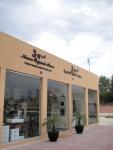
As an avid reader of cookery books and food blogs, living in the United Arab Emirates, I have always felt a sense of longing when I read about seasonal recipes and local produce. Heidi Swanson of 101 Cook Books often talks about fabulous artisan producers and farmers in the San Fransisco area with beautiful photos of the ingredients to match and I revel in the farmers market in Tavistock when I’m in the UK in the summer. I will be wistful no longer and cannot contain my excitement at a real-live, organic farm shop opening a few streets away from my house in Umm Suqeim, Dubai. The shop is right next to the most enormous orange mosque and looks more like a boutique from the outside. When you open the door the fresh, astringent scent of basil and tomatoes hits you. I expected cardboard boxes and a slightly homespun interior but nothing could be further from the truth. Scrolled white wooden units line the walls, stylish prints of vegetables (plus a few camels) provide decoration, your shopping basket is made of natural twine, you put your goods into brown paper bags – the whole shop oozes cozy chic.
-

- Shopping baskets of natural materials
-
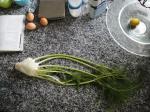
- Fennel on my kitchen counter
-
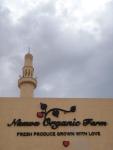
- Fresh produce grown with love
-

- Organic peppers
-
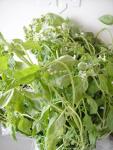
- Generous bunches of herbs
-

- Organic potatoes
-
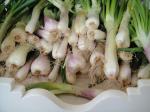
- Spring onions
-
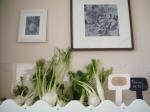
- Frondy fennel in front of print lined walls
-
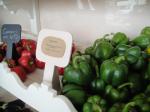
- Peppers of all colours
-
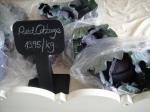
- Beautiful red cabbage
-
- Beef tomatoes
-
- Nazwa Organic Farm Shop
-
- Ridged cucumbers with fantastic taste and texture
-
- Beautiful fennel
-
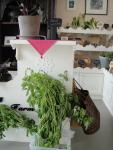
- Herbs frame the counter
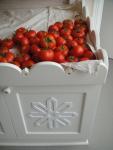
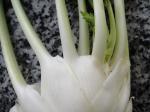
I’m not sure where Nazwa Organic Farm is located in the UAE (today’s Gulf News article says the Hatta Road). I forgot to ask the delightful Elena who runs the farm, organises a vegetable box delivery round on Arabian Ranches, and has launched the farm shop (all while heavily pregnant and seeing to the needs of a boisterous toddler). Every day the shop is filled with organic produce from the farm that is picked early that morning. I visited in the afternoon when the shelves has started to empty. While I’m delighted with the aesthetics the real bonus is the provenance of the food and the fantastic fresh taste – and by the way the prices are very reasonable. On my first visit I bought crisp fennel which is delicious sliced and eaten raw with a dip – it bears no relation to the harsh, aniseed taste that you get from the uniform bulbs from Dutch greenhouses. I needed curly parsley for a fish pie and was given a fragrant bunch the size of a small bouquet. The cherry and beef tomatoes ooze sweetness and flavour without having the thick skin so beloved of mass producers (which make them easier to transport). This shop is such a revelation for a country that imports most of its fruit and vegetables that customers can’t help exclaiming their delight to each other. It’s like we’ve been invited to join a fabulous, secret club. The only difficulty I had was not to buy something of everything. Elena has been so busy that she hasn’t set up her online presence – and word of mouth is doing pretty well. So if you’re in Dubai and would like a map – drop me a line in the comments box and I can send you one or download it here OrganicShop – just don’t buy all the tomatoes before I arrive. PS I’ve had so many requests for the phone number – the shop said I could put it up, so here it is: 04 348 3333 and there is a lovely video that you might like too – click here.
Update: Since writing this post, the lovely Nazwa Farm shop has closed. You might be interested in Salata which home delivers fresh, local vegetables in Dubai (not organic).
Stove-dried tomatoes for tiny tarte tatins
My daughters’ school “Friends of” group raises funds by selling cakes at sports gatherings and parents evenings. This time we were asked to provide something for a concert given by an orchestra of young musicians from around the Gulf. I looked online for something speedy to make that was little and nibbly and could be handed round in the interval. I landed on the Marie Claire site – not one of my usual haunts I’ll admit. Tomato tarte tatins looked quite speedy and didn’t have too many dietary no-nos (pork doesn’t go down well in mixed company here). A closer look at the recipe revealed that 500g of sun-blush tomatoes were required – shock, horror! This would cost about ten quid (15USD) from the supermarket but as fresh, local tomatoes are really cheap, I got out my knife and put the oven on really low (50 C) to make my own stove-dried version. Not quite so speedy but hey. I thought I’d test out the new slideshow feature from WordPress. Recipes below.
Stove or oven-dried tomatoes
Slice the tomatoes into the thinnest wedges you can without them falling over. You want them to stand on their peel on an oiled baking tray. Drizzle with a little olive oil and then sprinkle with salt, black pepper and then the merest dusting of caster sugar. I tried adding some fresh oregano leaves to one batch (thinking they would dry nicely) but they came out like tea leaves and I had to pick them out. Two baking trays- full made a bit more than 500g – you need a lot as the water content evaporates. Put the trays in the oven and leave them for at least 8 hours or overnight (I think you can do this on the warming plate of an Aga too but they’re a bit thin on the ground in Dubai). Remove them when they get the to stage of dryness that you like. The longer you leave them the more like sun-dried tomatoes they become (chewy and caremelised). I mopped up the juices left on the tray with some slices of stale french stick and put them in the oven when I cooked the tatins for some tomatoey crostini. I usually store the dried tomatoes in a kilner jar and cover with olive oil. They keep for ages in the fridge. This time they went straight into mini-muffin trays for tarte tatins (recipe taken from marieclaire.co.uk with chippings-in from me):
Tomato Tarte Tatins
Makes 24
Ingredients:
500g (1lb 2oz) sun-blushed tomatoes
40g (1 ½ oz) grated Parmesan, plus extra to serve
24 basil leaves, plus extra to serve
500g pack unrolled puff pastry
5-6 tsp red onion relish
Method:
1. Preheat the oven to 200C, Gas 6. Lightly oil 2 x 12 hole mini muffin trays. Drain the sun-blushed tomatoes and divide between the muffin trays.
2. Scatter the Parmesan over the tomatoes (strongly recommend a micro-grater for parmesan). Roll out the pastry to ½ cm (1/4in) thick and cut out 24 rounds with a 7cm (3in) pastry cutter. (I found a 6cm fitted better). Press a pastry round over each tomato base and bake for 10-12mins until golden and puffed.
3. Cool in the tin for a few mins then invert and place on a serving dish. Top each with ¼ tsp of red onion relish, a Parmesan shaving and a basil leaf (I picked all the little leaves from the tops of my basil which does the plants good too).
I hurled them onto a nasty foil tray, took a quick pic under electric light and ran out of the door so you might like to look at the much more sophisticated marieclaire photo. You could use this filling with tiny tarts using shortcrust pastry for a more satisfying crunch. A smear of tapenade would work well instead of the relish; add a caper as well and have deconstructed puttanesca tarts. Congratulations to the fantastic young musicians by the way – the concert was great.
New slide show or a more static rendition (see below)? What do you prefer? Let me know.
Kringel – chocolate and bread heaven
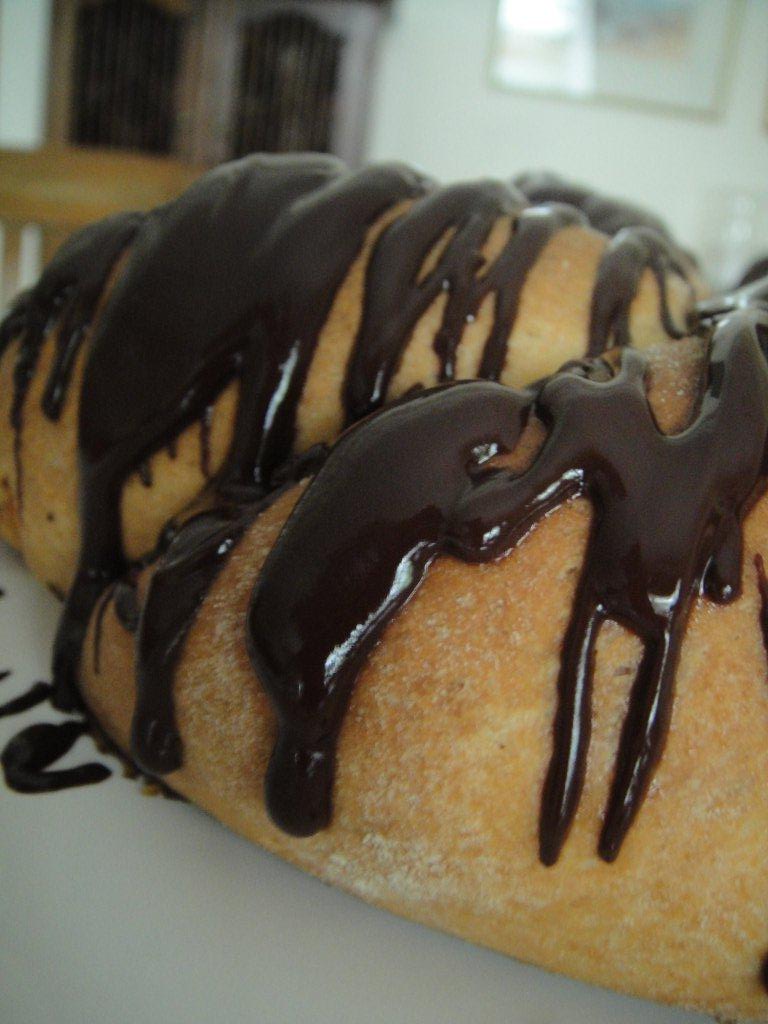
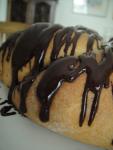
‘All sorrows are less with bread.’ Miguel de Cervantes, Don Quixote. I pinched this from the irrepressible MsMarmitelover’s blog spot The English Can Cook (check out the picture of her high heels abandoned by the Aga). Maybe I should amend this to ‘all sorrows are less with chocolate bread’ as I attempted to make Kringel – a bread recipe decadently laden with butter and drizzled with melted chocolate.
 It was my first adventure with Fresh From the Oven and I was school-girlishly excited to be part of this group of global, baking bloggers. Curious to see whether I could actually get fresh yeast in Dubai I put out a few tweets and then hit the streets. The Lebanese Bakery on Al Wasl Road produced none but did provide an really entertaining 20 minutes trying to describe it in pigeon Arabic (from my side) and limited English (they knew everything to do with taking an order). It was a great excuse to have cheese bread (manakish or manaeesh) for lunch . On another day, Park n Shop in the Safa Centre yielded some of the crumbly, brown stuff , a nice chat about bread-makers with the baker and some delicious ciabatta.
I hadn’t made anything like the Kringel before so was intrigued especially as it has an Eastern European origin (my Dad was Polish but I’ve cooked very little from that region). I wasn’t confident that I could mix the ingredients together in a bowl so I used my usual counter-top method, making a large well in a pile of flour and bringing the liquid in gently from the edges with a fork. I then switched to my favourite bread making tool. When I first moved to Saudi Arabia in 1995 I had so little to do, my guilty pleasure was watching daytime American cookery programmes. The benefits of a flat metal wedge with a wooden handle was espoused by an Italian cook called Biba when she demonstrated pasta making and I give thanks everytime I use it. Sticky dough fingers are a thing of the past.
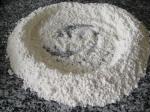
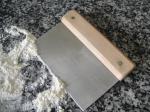
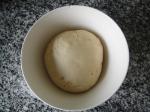
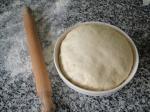
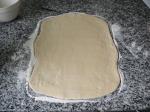
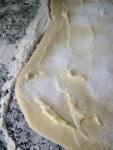
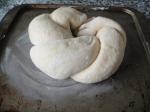
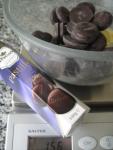
-
- Kringel

I decided not to used raisins as I’m the only one who likes them in our family (and for that reason it doesn’t seem that long ago that I finished eating the Christmas cake). I only used about 500 gms of flour, probably due to using medium sized eggs. It still made quite a stiff dough – if you are feeling weak in the arm department you might be tempted to use a machine and a dough hook. Otherwise, say goodbye to bingo-wings. It’s a great way to destress too (Rosie my Border Terrier agrees).
My 11 year old daughter’s reaction to the kringel means I’ll definately be making it again. I’d make the swiss roll even longer and thinner and twist it to make it prettier. I also found savoury version online which sounds interesting. Thank you to Jo of Jo’s Kitchen who found the Kringel. Here’s the recipe which is from The Hairy Biker’s, with a few comments from me thrown in. Stop Press: I now realise that you are supposed to cut the roll in half lengthways – aaahh!
Kringel
Ingredients (Makes 1 Loaf)
Dough
- 40g fresh yeast (or 20g dried)
- 1 tbsp sugar
- 250ml milk, lukewarm
- 2 egg yolks (large)
- 50g butter, melted
- 600-700g flour (I used a mixture of plain and strong flour)
Filing
- 100g butter, softened
- 3 handfuls of raisins (I left these out)
- 10 tsp sugar (I used vanilla caster but demerera would be nice)
Topping (makes a lot!)
- 150g dark chocolate (at least 50% cocoa solids)
- 75g butter
Method
Mix the yeast and sugar in a bowl. Add the lukewarm milk and egg yolks, then mix in the flour and melted butter and knead well. Shape the dough into a ball, cover the bowl with a tea towel and leave to rise in a warm place for 30 minutes.
Preheat oven to 200°c/Gas 6. Dust your work surface with flour. Take the dough out of the bowl, knock it back and roll out to a thickness of 1cm. Spread the softened butter evenly over the rolled sheet of pastry, then sprinkle with raisins and finally sugar.
Roll up the dough like a swiss roll (i.e. lengthways) and cut it in half with a sharp knife. Starting from the uncut end, plait the dough, lifting each half over the other in turn. Finally, shape the plaited bread into a B shape and transfer to a buttered baking tray. Bake for about 25 minutes or until golden.
In the meantime, prepare the chocolate topping by melting the chocolate and butter in a bowl over boiling water. Once out of the oven, let the bread cool down a bit, place on a serving plate and drizzle with chocolate sauce.
Cheese Kringel
To make a savoury version, leave out the raisins and sugar and sprinkle the Kringel with grated cheddar instead. Add more grated cheese on top instead of the chocolate sauce.
Cheese roll anyone?
Cheese has been a theme this week, in more ways than one. I won’t document the whole cheese-rolling ban affair here, but I played a tiny part in the protest and was quoted in the Gloucestershire Echo (see here) which made my Mum in Cheltenham very excited. The whole outcry was about keeping traditions and freedom of choice and it seems that people in the UK have become more vehement about cheese, whether chasing it down a hill at break-neck (or break-limb) speed or popping it under the grill on toast.
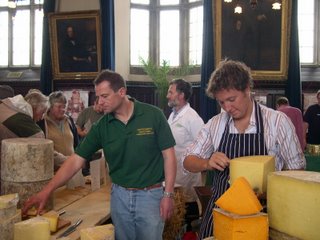
Unpasteurised cheddars
I plan my summer visit to England around the Tavistock Real Cheese Fair which is held in a small room upstairs in Tavistock town hall. You wander in off the street and immerse yourself in tasting cheeses displayed on trestle tables by over 25 artisan producers. It’s a bustling affair with a jazz band on stage and local cider and wine on tap. These cheese makers are passionate about what they do and share secrets such as why Montgomery, Keen’s and Westcombe unpasteurised Cheddars all taste different, even though they are made with milk from the same breed of cow and all within a 20 mile radius. I just found a funny account from the cheese sellers point of view (mentioning some of my all time favourites Harbourne Blue and Gorwydd Caerphilly made by Kim who is a delight to talk to). I pray that no-one checks my suitcase when I arrive in Dubai laden with carefully wrapped hunks from Country Cheeses.
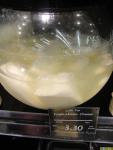
I want to find more about local cheese as although cheese making dates to pre-history it is thought to have originated in the Middle East when milk was carried in goat’s stomachs and it reacted with the residual rennet. These early cheeses would have been salty, sour and crumbly similar to feta. So, with a fair bit of trepidation, I took a closer look at the dark vats of liquid, bobbing with white globes that I usually bypass in my local supermarket.
-
- Akawi cheese – not extremely enticing
-
- Arrish cheese
-
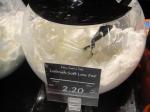
- Labneh
-
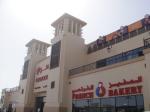
- The supermarket, Umm Suqeim 3, Dubai
-

- Mosques are often by a food shop – this one is rather lovely
-
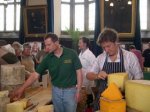
- Unpasteurised cheddars
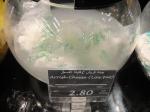
There were four types of arabic cheese which all looked a bit grim but the very nice Emirati lady on the cheese counter let me taste them all. Akawi is very similar to halloumi and quite salty although slightly less squeaky on the teeth. Nabulsi is milder with flecks of herb (mint?) in it – no real distinctive character but pleasant. Arrish is mild, tangy and soft – like a firmer version of labneh. Labneh is a cream cheese, almost yoghurt-like, which is often eaten for breakfast. I buy this regularly and often use it instead of creme fraiche in dips. It’s heavenly. All the cheeses looked a lot more appetising when I got them home (see below).
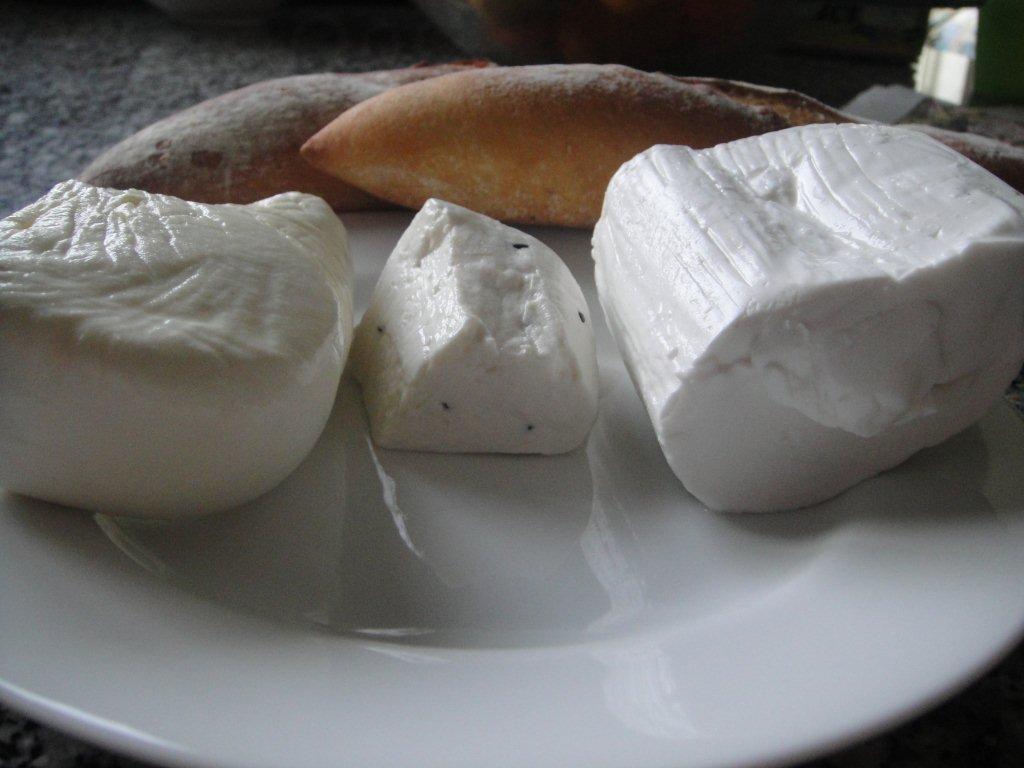
From left akawi, nabulsi & arrish.
By coincidence, the latest post from Thring for your supper popped into my inbox with an Ode on the Mammoth Cheese.
‘We have seen thee, Queen of Cheese,
Laying quietly at your ease,
Gently fanned by evening breeze –
Thy fair form no flies dare seize.’
Click here to read more about dreadful cheese poetry etc.
I’ll continue my Middle East cheese hunt in May when I visit Lebanon although I don’t think I’ll be chasing it down hill. And, can anyone tell me, why do we describe a joke as cheesey?








 My Custard Pie