Garlic, herb and parmesan festive wreath
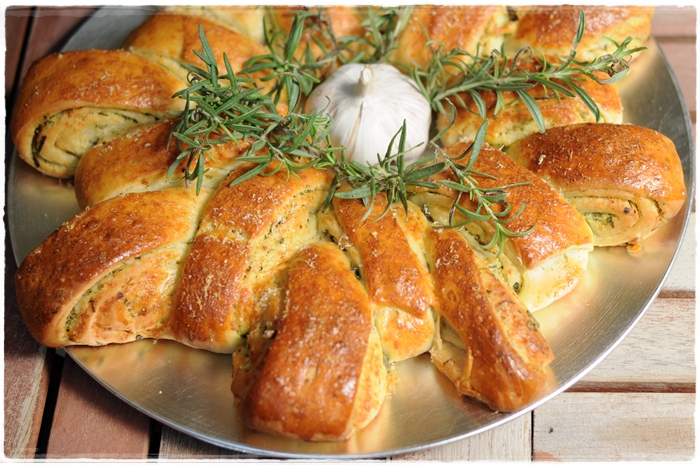 The time between Christmas and New Year is a relaxing hiatus, with my teens off school and my Mother-in-law staying for a holiday, there is no schedule, no to-do lists, just a peaceful time of reading, playing board games, walking and shared, leisurely meals. Lunch is a feast of left-overs with cheeses, cold meats, pickles and, the essential, cranberry sauce. The trick is to add one thing extra so it seems like a different meal each time and the December Fresh From the Oven challenge provided some inspiration.
A bread in the shape of a festive wreath is a lovely idea put forward by Michelle from Utterly Scrummy Food for Families. With so many dried fruit haters in my family, I went for a savoury version and raided the garden and fridge for a mixture of fresh herbs and parmesan. Mixed with butter and garlic and slathered all over a soft dough it made a fabulous, golden ‘tear and share’ loaf. Best eaten warm from the oven. I defy you not to love this loaf.
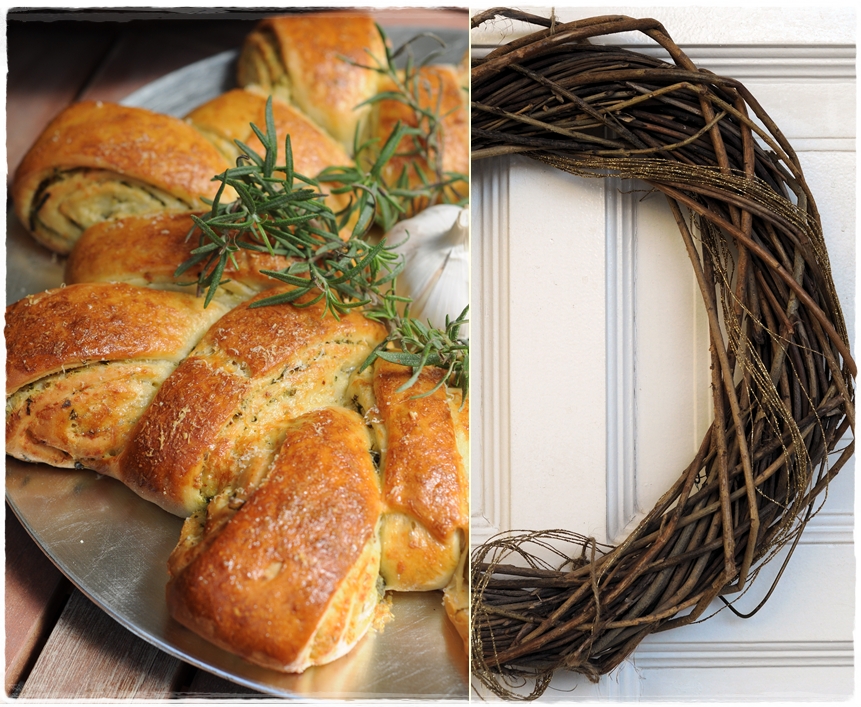
Garlic, herb and parmesan festive wreath bread – printable version
Ingredients for the dough
3 teaspoons dried yeast
315 ml lukewarm milk
1 tablespoon sugar (optional)
1 teaspoon sea salt
50g softened butter
420g plain flour (not bread flour)
Ingredients for the filling
a bunch of fresh herbs, roughly chopped (I used lemon basil, basil, sage, rosemary and garlic chives)
50g softened butter
20g plain flour
1/2 teaspoon chilli flakes
2 cloves of garlic, crushed
freshly ground black pepper
zest of 1/2 lemon, finely grated
freshly grated parmesan
1 egg, beaten

Method
Mix the lukewarm milk, yeast and sugar (if using) together until well-combined. Put the yeast mixture, flour, butter and salt in a bowl and mix thoroughly until you get a dough just firm enough to knead. Knead by hand on a floured surface, or using the dough-hook in a mixer for about 7 – 10 minutes until the dough forms a soft ball that springs back when lightly pressed. Turn the dough into a greased bowl, cover with cling-film and leave to rise for about 45 minutes in a warm place. Near the end of the proving time make the filling so that it’s ready to use as soon as the dough has proved.
Beat together the herbs, softened butter, flour, chilli flakes, garlic, black pepper, lemon zest. Knead the dough for about a minute and then roll out in a large rectangle shape on a well floured surface. Spread the filling evenly over the dough, sprinkle over some parmesan, and roll it up, starting from the longest side. Put the dough onto a baking sheet lined with non-stick baking parchment, to form a circle, keeping the seam on the farthest edge. Pinch the ends together to seal the wreath. Snip the dough 16 times from the outer edge of the circle at about 4 cm intervals, cutting two-thirds of the way through, using a very sharp knife or kitchen scissors. Lift and turn every other section of dough towards the centre of the circle. Leave to prove again for about 45 minutes – 1 hour or until the dough has doubled in size. Brush with lightly beaten egg and sprinkle with some grated parmesan.
Bake at 200C/Gas Mark 6/400F for 20 – 30 minutes or until lightly browned and cooked through.
Tear and share as soon as soon as cool enough to do so.

Hope your festive season is an enjoyable one. P.S. This is the wreath on my front door. Holly, ivy and fir branches are a bit scarce here.
P.P.S Do pop over to Fresh From the Oven in a few days for a riot of wreaths.
A date with dates and chewy flapjacks
 Do you remember your first date? Not the girl meets boy kind – the brown, sticky fruit with a long, smooth stone in the middle. My first date was eaten as a Christmas treat; my Mum would buy a small, wooden box, rounded at the ends with dates lined up each side of a long plastic fork. Do you remember these? The dates were slightly dry but sticky and sweet and it became taken for granted that our annual box was just part of the festivities; no-one really knew why.
Little did I imagine that I would one day live in the place where date palms first originated thousands of years ago. The United Arab Emirates is one of the biggest producers of dates in the world (3rd or 5th depending what you read). This versatile fruit is used in so many ways in Gulf cuisine and there is an annual date festival which lasts for six days. Opinion is varied and hotly contested about which variety of date is the best and even at which stage of ripeness to eat them.
The stages of ripening of dates ( in the United Arab Emirates):
- Hababaw: when the date is really tiny,
- Khalal: the date becomes green, and some people like to eat it,
- Besr: When the date is ripe and full in colour,
- Ratab: when it’s half coloured and the other half starts to brown,
- Tamer: is when it’s dried.
La Mère Culinaire answered my questions about dates. I was keen to find out more after a lovely day at her house where dates were provided at every meal, little date cakes called btheeth were eaten for breakfast and I left with bags of the best dates I had ever tasted. These were the Khlas variety, considered the best kind; others varieties include Nghal, Barhi, Khnaizi, Loulou, Yabri, Bu ma’an, Shaishi, Bucheebal (there are hundreds of varieties and they are often known by different names depending on the country).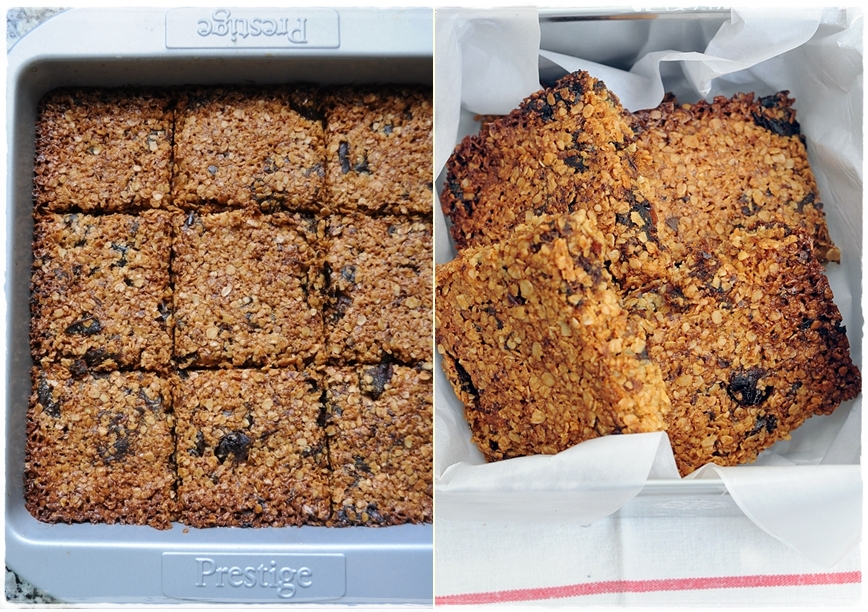
The Khlas dates were like sticky toffees in date form, the musky sweetness offset by the fragrant flavour of some chopped fennel seeds. She told me that older people like to nibble on the green khalal dates which are quite bitter, as well as the ripe ones. Dates are used to break the fast during Ramadan, in everything from date ‘honey’, date ‘champagne’ and as an ingredient in sweet and savoury dishes. The young leaves can be eaten, the seeds ground into flour or meal for animals, the flowers added to salads, the sap turned into molasses and the oil into soap. In a desert land you can see that its versatility would be valued highly.
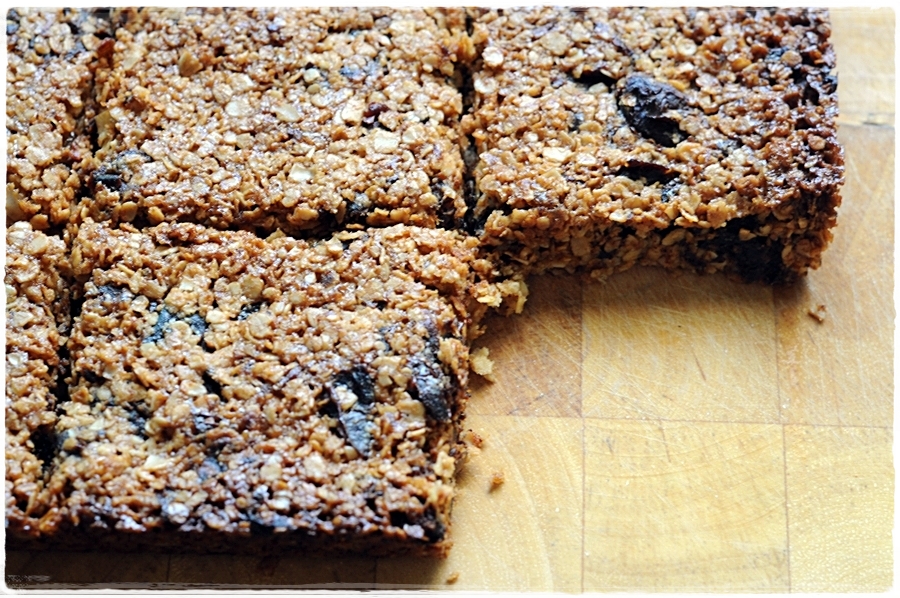
Sadly, my family are date-haters so I looked for a culinary cloaking device to tempt them with my delicious booty. When something tastes this good, and these sticky, moreish morsels are SO good, you just want everyone to share the pleasure. I hoped that these flapjacks wouldn’t be too sweet but they were just right. The subtle fennel flavour added a lovely dimension too. I wish I could report evangelical conversion from my brood but alas no, you’ll have to take my word that these were fabulous. They keep well too…which is just as well as I polished off the lot over many days (always with a cup of tea of course).
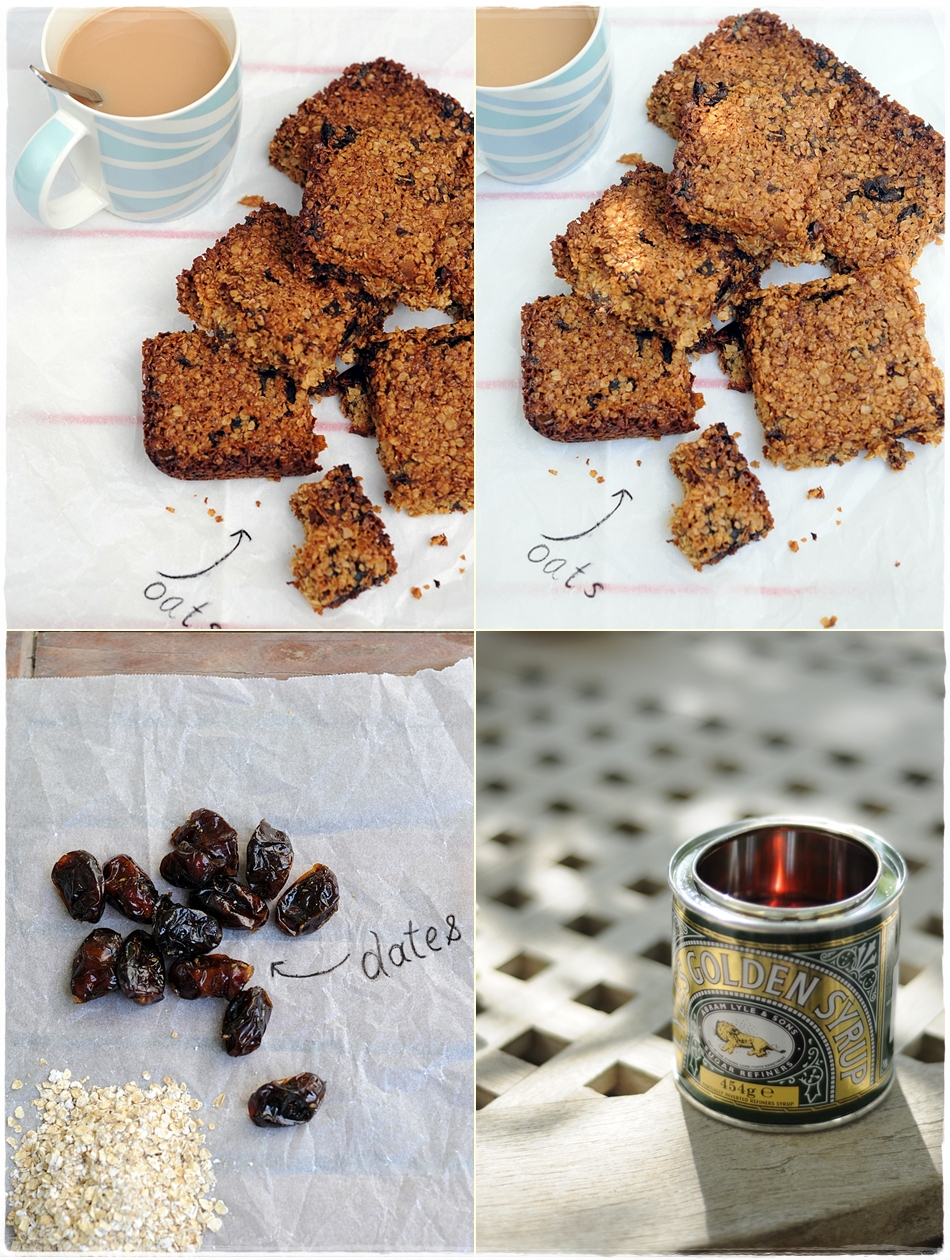
Sticky date flapjacks – adapted from Leon, Baking & Puddings
Ingredients
225g dates (weighed after stoning)
55g golden syrup
170g unsalted butter
100g caster sugar
250g jumbo (whole) or rolled oats (or a combination)
- Heat the oven to 170 C. Butter a 20cm x 20cm baking tin.
- Roughly chop the dates into small chunks.
- Melt the syrup, butter and sugar together in a large pan over a gentle heat until all the ingredients have melted (the mixture looks like liquid fudge). Stir in the oats and then the dates. Mix thoroughly.
- Put the mixture into the tin and level the surface, pressing down firmly with a spatula. Bake for about 30- 35 minutes until golden – do not overcook unless you like them crunchy. Mark into squares (4 x 4) while still warm, and remove from tin once cool.
*You could add a small amount of roughly ground fennel seeds (about 1/4 teaspoon) to the mixture if your dates do not contain them. I’ve also found a recipe from Dan Lepard which includes tahini – sounds like a very sensible combination to me.
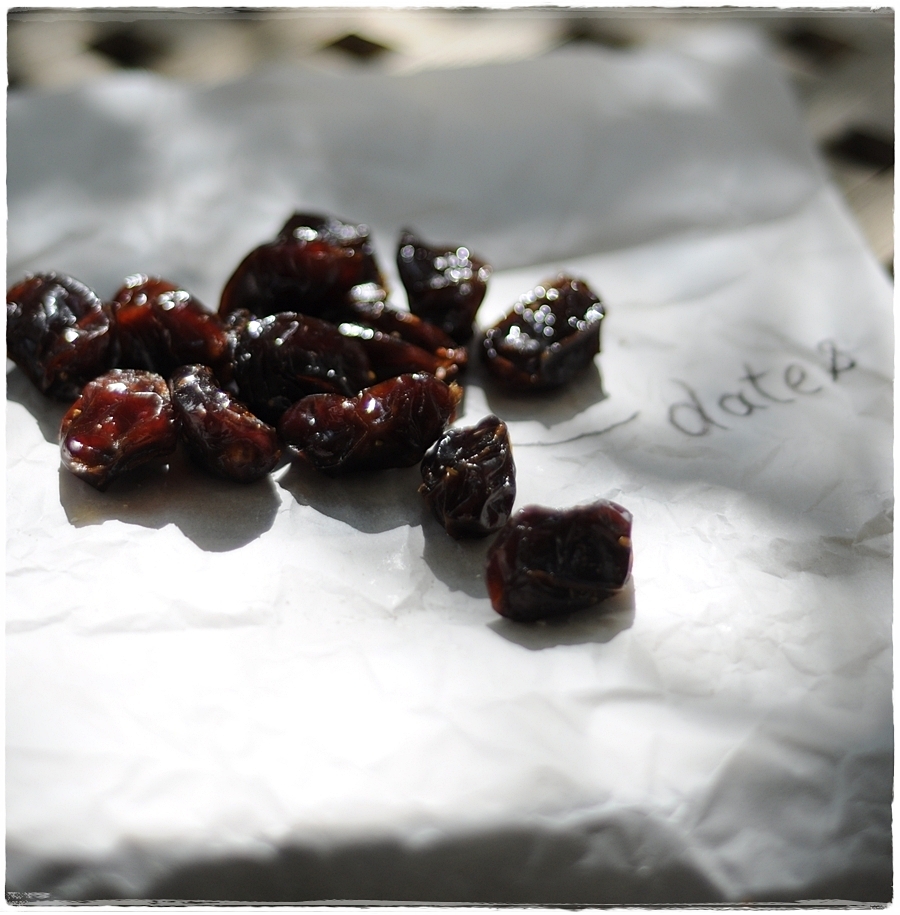 So tell me about your first date (fruity or otherwise!)…
In my kitchen in December…
 Is December going by in a blur for you too? Food shopping and cooking through my list of goodies is part of the pleasure for me, but phew I’m busy. My kitchen surfaces have been taken over by jars, tins and packages…they seem to have a life of their own. The house is permanently filled with lovely warm and spicy aromas. I love the ritual of this time of year and hope you do too, so here’s a little taste of what’s in my kitchen…
When food bloggers visit they bring the most gorgeous gifts including Anja’s super-healthy snowball cookies, masala mix from Pickle-in-d-Middle, peppermint hot chocolate mix from Dubai-bites and The Hedonista‘s collection of truffles and rocky road.

Do you get that moment when you bite into a fruit and suddenly remember what it is supposed to taste like? This happened to me with some beautiful Lebanese navel oranges (from Spinneys) recently and I’ve had to replenish our stocks three times already.

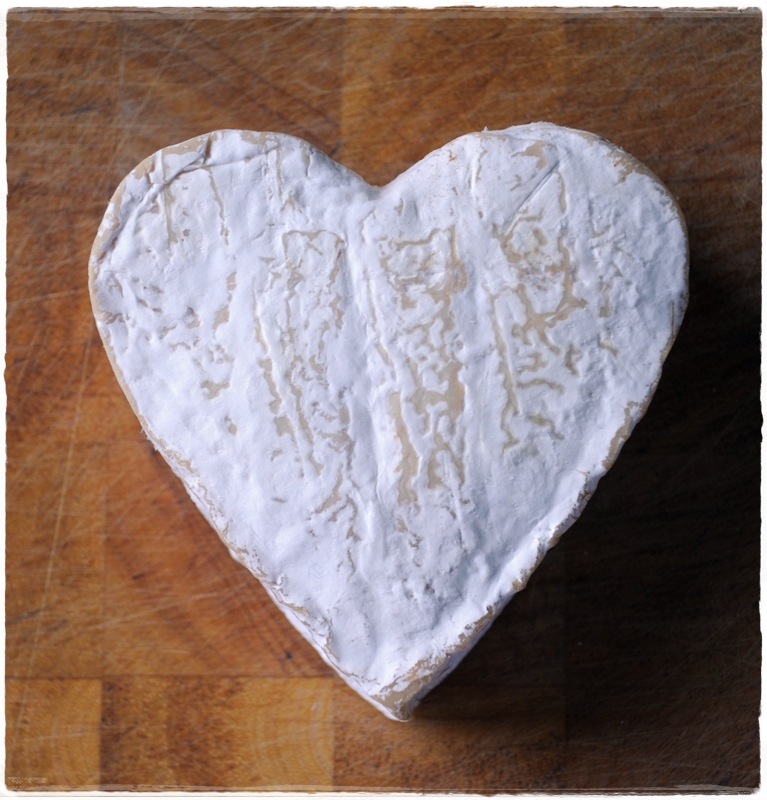
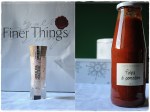
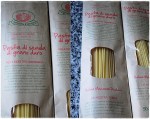
For the first time in 12 years of living in the U.A.E., I took the plunge and made the 50 minute drive to the Northern Emirates because this cheesemaker was in town. He was having a lie-in so sadly I didn’t get to meet him but bought some Tome de Romane, Bleu de Laqueuille and a very cute Coeur de Forges-les-eaux. Extra long pasta, pink salt and passata also went in the bag. On the way back, KP and I stopped at Jones the Grocer for really excellent eggs Benedict and I left with some Quicke’s Cave-aged cheddar, a hunk of Parmesan and some gorgeous Coulommiers – they had some tasting samples drizzled in honey…divine.

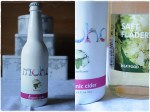
Elderflower is a flavour that is so hard to preserve sucessfully. I was given some elderflower Moho organic cider made from organic apple juice which is nice and refreshing and Ikea do the best-tasting cordial that I’ve found (as making my own in Dubai is not an option!).

They’ll be 25 of us round the table for Christmas day at our dear friends’ home and I’m in charge of puddings. In a panic that there wouldn’t be enough, I made a couple more last week and I’m following The British Larder‘s tip of feeding them to make up for their youth! Some of the guests are from Spain so I made membrillo to give as gifts.
Click on a photo to view as a gallery.

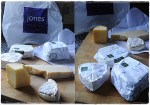
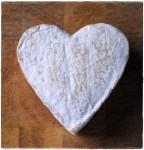
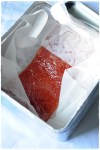
As always Celia from Fig Jam and Lime Cordial has some lovely things in her kitchen. What’s in yours this December?
Bzar and other spices – a day in an Emirati kitchen
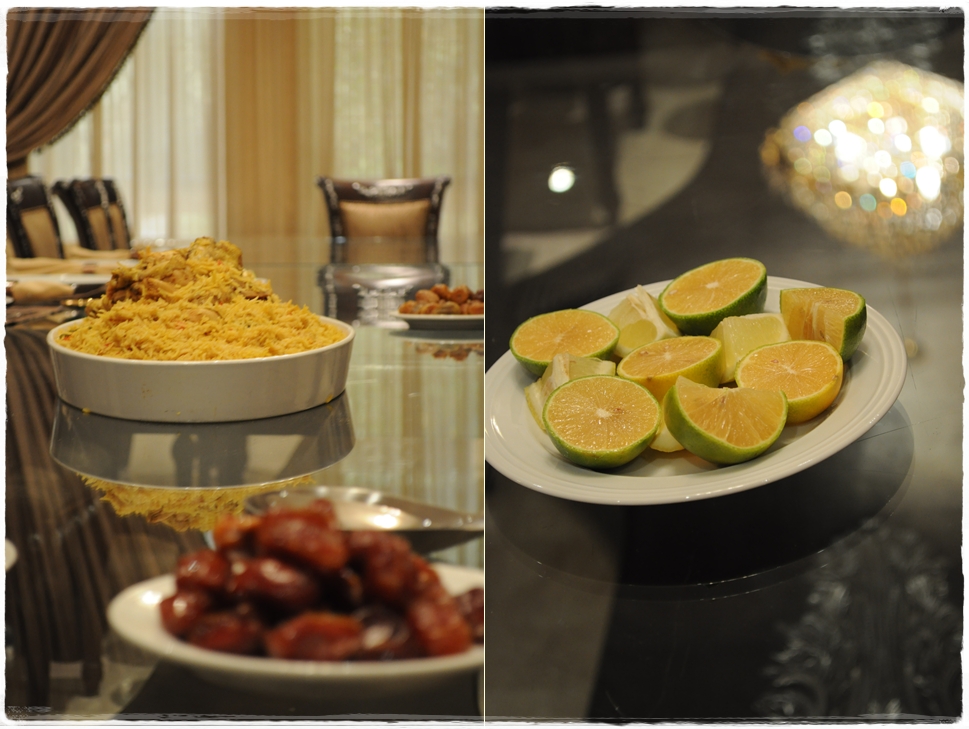 Imagine inviting a group of people whom you’ve never met or hardly know into your home and lavishing the best food and drink and an unreserved warm welcome upon them. This is a tale of Emirati cooking, but also of gracious hospitality.
The United Arab Emirates celebrated 40 years of its union last weekend meaning that the 12 years that I’ve called Dubai my home equates to over one quarter of the life of this young nation. I’ve tried the food of the Middle East in Syria, Lebanon, Jordan, Egypt and Libya but know next to nothing about the local dishes of the U.A.E.
When I lived in Saudi Arabia I went to a talk by the outgoing British Consular General at the British Women’s Group. He waxed lyrical for a while, then opened the floor to questions. I raised my hand, he chose someone else, but it seemed we all wanted to know the same thing. “What are the Saudis like?” How very strange to live in a country of 20 million and understand so little about them. In the five years I lived there, even though I’d worked (unofficially) and even had a few business meetings, I could list the number of locals I’d had a conversation with on the fingers of one hand.
The same situation exists here with the local Emirati community. Ask most expats how many Emiratis they’ve met and the answer will be few but for very different reasons. In Saudi it’s the strict rules that segregate men and women, the dress code and very conservative interpretation of religion. In the UAE it’s down to ratio in the main. Emiratis make up less than 20% of the population, the rest of us are expatriates. While you will often hear how Emiratis have reaped the rewards of the labours of expats, can you imagine this situation in your own country? While most people agree that the UK, my own home country, is a fairly good example of how a multi-cultural society can work successfully, there are murmurings about sectors of the population growing too large and altering what it means to be British. It’s not a direct comparison, as expats cannot settle permanently or have any formal political rights in the UAE, but for any nation to absorb that amount of people in a few decades is unprecedented. No wonder the Emiratis are fiercely proud of their culture and celebrate National day with such exuberance.
But what does constitute Emirati culture? To begin to understand a nation it’s often a good bet to start with its food. This is also a tricky one; in a city where restaurants are numbered in the hundreds and every cuisine is represented, there are only two serving an Emirati menu, one new, one badly reviewed (plus one serving camel burgers). A few years ago I heard Jessie Kirkness Parker, South African cookery writer, talk about the rich, spiced stews and complex, layered flavours of local cookery influenced by India as much as the Levant due to the UAE’s position as a trading nation. To taste the real deal you had to enter people’s’ homes.
To say we browbeat Arwa from La Mere Culinaire into inviting us for a cooking session may not be an overstatement. When the suggestion arose online within our group of food bloggers the response was immediate and enthusiastic. I think we all knew that this was a special and rare privilege. Arwa admitted to me afterwards that her family had a few trepidations about inviting a crowd of strangers not only into their home, but into their kitchen – as anyone might. You would never have known this by the welcome we received. I think (hope) their fears were proved unfounded especially as the genuine interest and enthusiasm of everyone there was manifest. As well as sharing our groups’ passion for food and cookery, she believes it is important that expatriates do get a chance to really understand Emirati ways, values and culture.
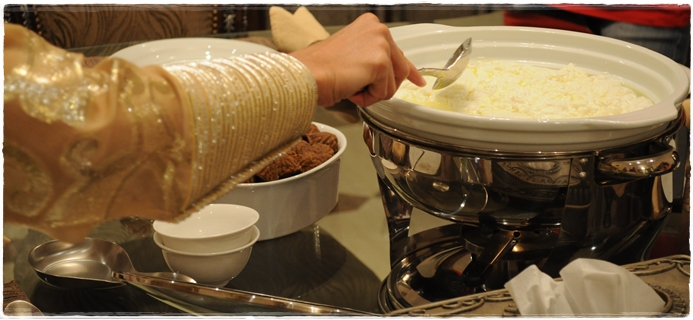
National dress was suggested, Sarah was kind enough to brave souk Naif and provide me with a long silky, embroidered robe with open sleeves (think medieval shape). Coffee and fresh mint tea in a formal reception room greeted us, followed by a traditional Emirati breakfast beautifully laid out on an enormous gleaming dining table. Arwa took great trouble to serve us all personally; the phrase ‘treated like royalty’ is often used but rarely so apposite. The breakfast spread included:
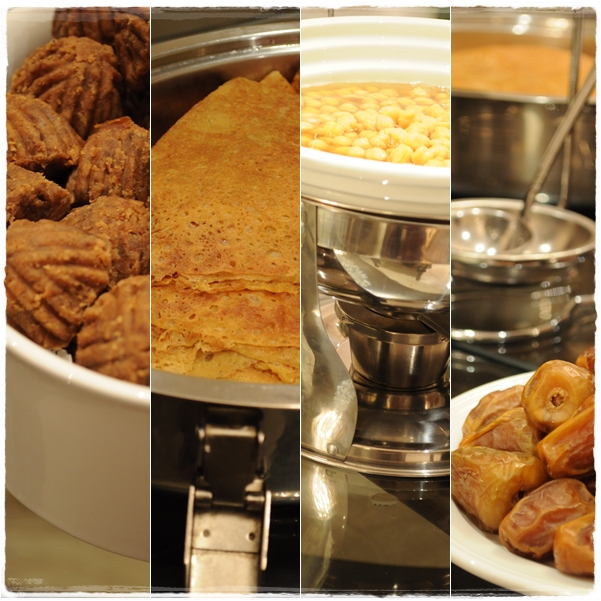
Muhalla or Mhala – crepes (pancakes) made with dates
Chami – a type of curd cheese made by simmering yoghurt, drizzled with homemade butter or ghee
Btheeth or batheeth – arabic sweets that look like ma’amoul but are made from dates and spices
Dangaw – lightly spiced, boiled chickpeas
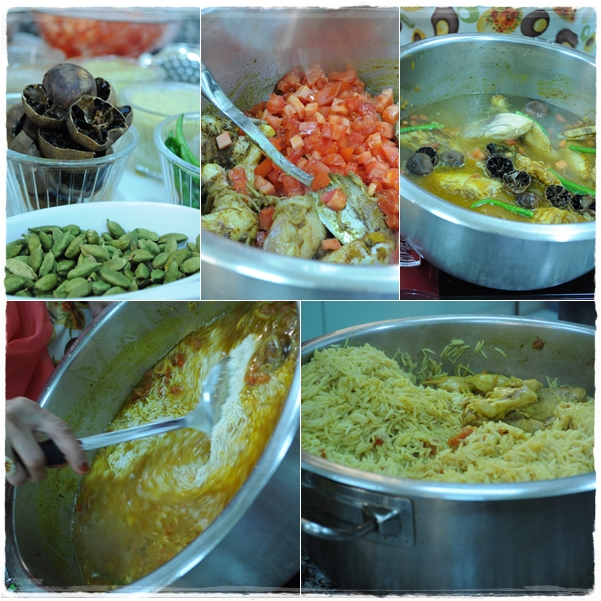 Moving into the light, airy kitchen, we met Arwa’s Mother who didn’t bat an eyelid as we ‘oohed and aahed’ over her well-stocked, glass-fronted fridges neatly arranged with fresh fruit, vegetables and jars of spices. She was ready for us with ingredients chopped like a professional and a small gas-stove placed on the table so we could all get a good view. An instinctive and generous cook she demonstrated how to make Fogat Diyay, a rice dish that literally means ‘chicken on top’. This could also be made with pieces of firm fish.
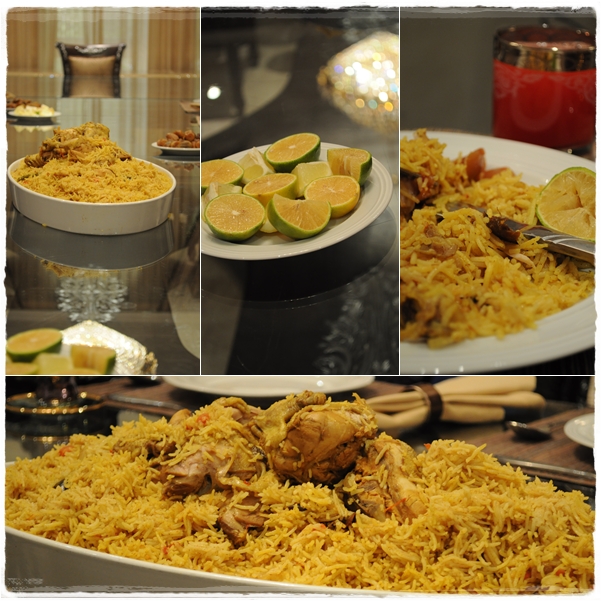
Recipe: Chicken pieces are rubbed with a four-spice mixture (cinnamon, cloves, black pepper and nutmeg). Chopped onions are sautéed in oil (with the lid on to soften not brown), then very finely chopped ginger and garlic (like a paste) is added, followed shortly by the chicken pieces. Chopped tomatoes are briefly stirred in, then the spices. First there is bzar, also called Arabic masala, then a little more of the four-spice mix, turmeric, whole green chillies, dried limes, whole cardamom, some water, cumin, salt and lemon juice. When the chicken is almost cooked, the pieces are removed and rice that has been soaked in water (for 10 minutes) added. The pot is covered and cooked in a low oven (150C) for about 15 minutes or until most of the liquid has been absorbed. If more salt is needed it is added in salt water so you do not need to stir the rice (and break up the grains). Chicken is placed back into the rice very carefully, covered and placed back in the oven for about 10 minutes. It is served drizzled with homemade spiced ghee.
Bzar (or bezar) – every family has their own recipe for this distinctive spice mix used in the Emirates but it includes:
ground coriander, cumin, black pepper, red pepper, dried ginger, turmeric, cardamom and nutmeg.
There are no quantities given as Arwa’s mother is an instinctive and natural cook. She got a big seal of approval from Anissa Helou, acclaimed cookery writer (in the Emirates to speak at the Sharjah International Book Fair) who was first to dip a spoon in the pot for a taste. The spices filled the air and breakfast suddenly seemed a long time ago.
It wasn’t until sugar became readily available in England that the distinction between sweet and savoury dishes was made (main and dessert) and in the time of the Tudors minced meat and other dishes were heavily spiced and sweetened with honey. I was reminded of this by the next dish, balaleet – a combination of caramalised onions, saffron (lots and lots of saffron), vermicelli, powdered cardamom, ghee, sugar and scrambled eggs. Usually served for breakfast, it was our pudding, a divine combination.
Our meal was served, again personally by Arwa, with pickled onions, mango and limes. The depth of spice combined with the dried limes in the chicken was fantastic.
Before we left, Arwa let us try her Aunt’s homemade perfume blends and wafted our hair with incense. We also tried smoked water, flavoured with frankincense which was one of the most extraordinary experiences. Like all really good cooking, the meal was delicious because of the attention to detail with the ingredients. The ghee is homemade, the dates and chicken from the family farm, the spices chosen with extra care. We were encouraged by Arwa’s Mother to smell the cardamom which had an incredible fragrance. I wanted to rush home there and then and throw the entire contents of my spice cupboard away.
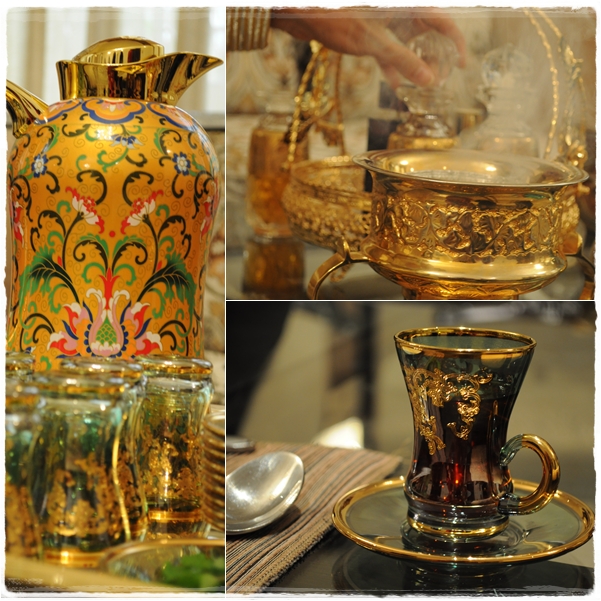
We left laden with gifts of dates, bzar and homemade, spiced buttermilk, but walking on air. On my way out Arwa picked a Barbados cherry for me. I defy anyone to better the gracious welcome we all received.
Dima, Sarah (including her recipe for balaleet), Nadia and Marta also give their accounts of this special day; worth a read if you’ve enjoyed this one.
Emirati food is quite different from the Levant and North Africa influenced by East Africa, India, East Asia and Eastern Mediterranean cookery style and ingredients. There are few written sources for recipes although I hope that this will change among the pages of our Fooderati Arabia group (Sandy for instance is doing a local cooking project, try also Emiratican Kitchen and Lgeimat Junkies). To my knowledge the following are the only cook books written in English about Emirati food: all written by expats :
Emirati cook books and recipes
- A Taste of Arabia – Jessie Kirkness Parker – can only find the author blurb online. She visited local homes to do her research.
- The Complete UAE Cookbook – Celia Ann Brock-Al Ansari (out of print but some recipes online).
- Cardamom and Lime – Sarah Al-Hamad – Nice looking coffee table book but no local names used for the recipes.
- Cooking of the Gulf – Tess Mallos (out of print, a few copies available online second-hand).
There is a good lexicon of dishes in this article by Nouf Al-Qasimi in the National and really excellent piece about food and cooking during Ramadan in the UAE written by Anissa Helou for Saveur including some recipes.
So what have I missed out? All information gratefully received. And if you’re wondering what happened to all the wonderful dates I took home, come back soon….
Celebrating Emirati-style
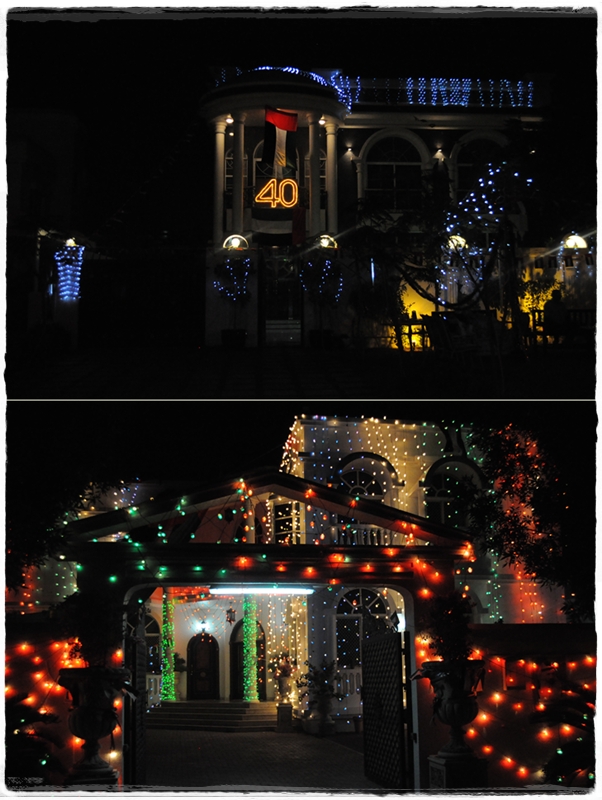
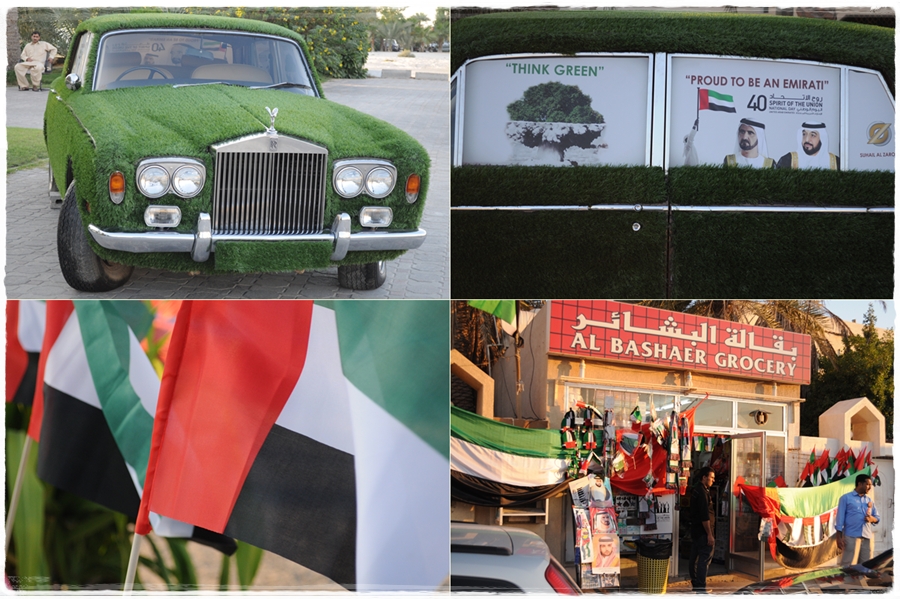 A few days ago, on December 2nd, the United Arab Emirates celebrated 40 years of existence. It suddenly dawned on me that I’ve called Dubai my home for more than a quarter of this time.
Events over the weekend ranged from an international parachuting championship, to a hot air balloon festival, to Cycle the Seven Emirates for charity to massive firework displays over the creek. Since the beginning of November huge flags started to appear and by the end of the month nearly every building was draped in the UAE colours of red, green, white and black. The excitement was palpable.

One form of celebrating, which has become a modern tradition, is to decorate your car lavishly and drive up and down a main thoroughfare (in Dubai it’s Jumeirah Beach Road) spraying other cars and pedestrians with silly string, foam, party poppers and the odd water pistol. I walked down there as the sun was setting, with my two dogs, to take in the atmosphere, passing the wonderful turf-covered Rolls-Royce and several parties on the way. Police were on hand to make sure it didn’t get too dangerous (although there were rather too many children hanging out of cars for me to feel totally relaxed). Hazel got a bit spooked by the silly string.
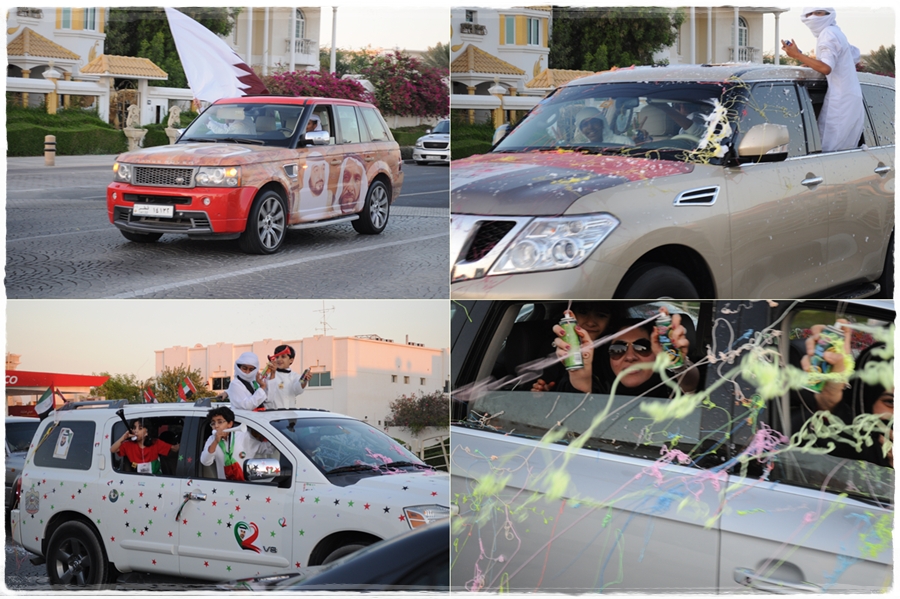
I returned later with my younger daughter and we watched the procession for ages, not escaping being the target of a few well-aimed squirts. Dubai is kept clean by an army of street sweepers and some appeared, brooms in hand, including one wearing a ‘flag-colours’ afro wig and a big smile.

The paraders loved having an audience and most posed for the camera. You can see more pictures here…
But a celebration needs food doesn’t it? Sorry no food today, but come back tomorrow for a very special peep inside a local home to experience some Emirati cooking.
Mingling with custard
 Pudding or dessert is not something I cook for my children on a daily basis but was something I took for granted in my own childhood. Rice pudding, semolina, bread pudding, bread and butter pudding, apple crumble, blackcurrant tartlets, it sounds like I’m reading from an Enid Blyton book. One of my earliest memories is standing on a chair at the kitchen table, mixing the pale pink powder from a paper sachet with a little milk and sugar to make a bright orange paste. My Mum would add boiling milk, stir quickly and a jug of custard would be made. Many people shudder at the thought of the skin of the custard but my sister and I fought over it. When I discovered the real vanilla stuff made with eggs and cream my early craze for custard was cemented for life, so when I threw out an invitation to mingle the theme was obvious. I hope you enjoy this fantastic selection which takes custard to so many different directions.
I think it’s right and proper to start with Meeta from What’s For Lunch Honey?, the creator and uber-host of the Monthly Mingle. This Spiced Advocaat Custard is so pretty, I’m feeling festive now and have added making my own advocaat to my list of Christmas cooking. Thank you Meeta.

Farwin from Love and Other Spices matched mint with with nougat inspired by secret cooking courses with Mrs Yvonne (read the full story on her blog) to make this Mint Custard Pudding with Brown Nougat.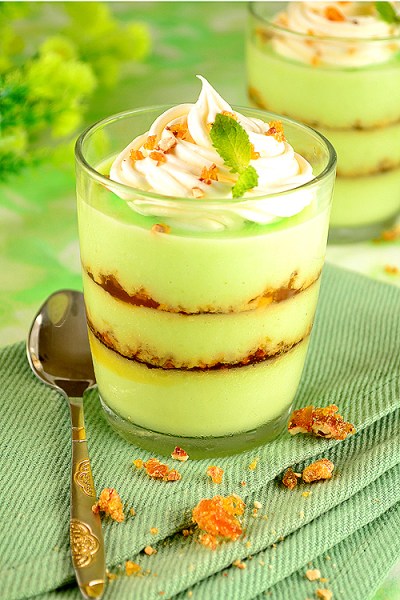
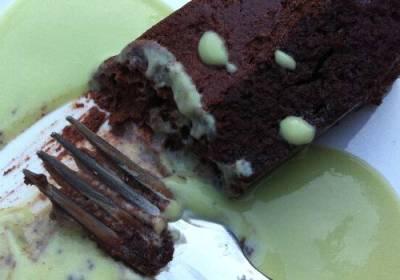
Kate from The Little Loaf brought chocolate and mint to the party with a Chocolate Marquise with Mint Creme Anglaise (while you are over on her blog, have a look at her garlic baguettes too).
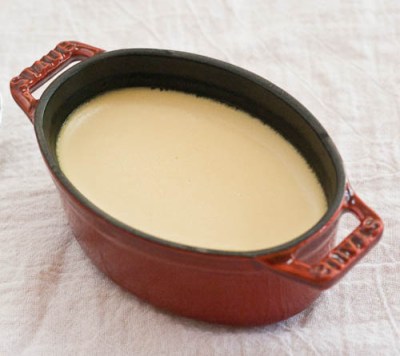
My friendship with my sister is one of the most important things in my life, so can you imagine having a sisterly food blog? Sara from Three Clever Sisters served up these gorgeous Maple Pots de Creme (baked maple custard) in very cute Staub pots.
Sukanya from SaffronStreaks gives a ‘toast to all those sweet and happy memories’ with Chocolate Hazelnut Pots de Creme.
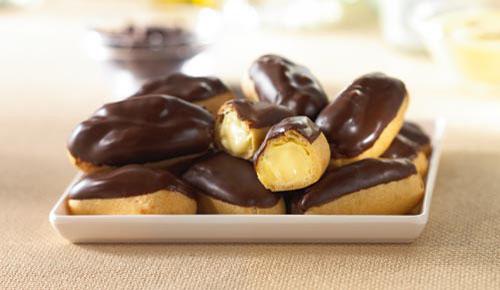
 And now to a trio of custard classics, first by a classic and talented cook Dima Sharif. If you live in Dubai she’ll teach you how to make these Mini Eclairs with Custard Filling in her warm and welcoming kitchen. Highly recommended.
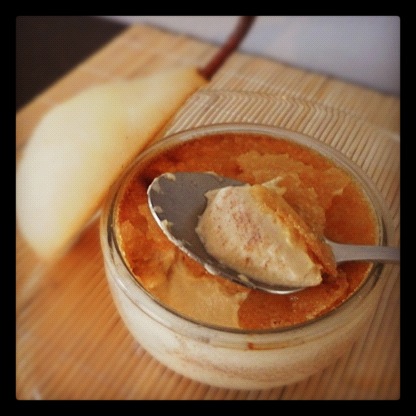
If you’re at a restaurant with friends and crème brûlée is on the menu I’ll bet you that at least one person will order it. Check out this Honey Cardamom twist and some beautiful pictures of Lyon in the Autumn sunshine on Sunday Dreaming.
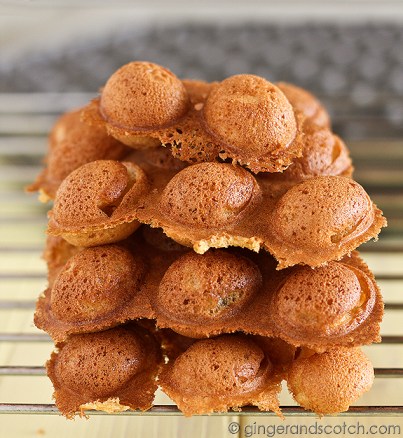
I always learn something completely new from my friend Sandy at Ginger and Scotch. She made these wonderful Hong Kong Egg Cakes (Gai Daan Jai) which are a taste of her childhood and it seems like her son, Wee Scotch, likes them too. Do pop over to her blog and take a look.
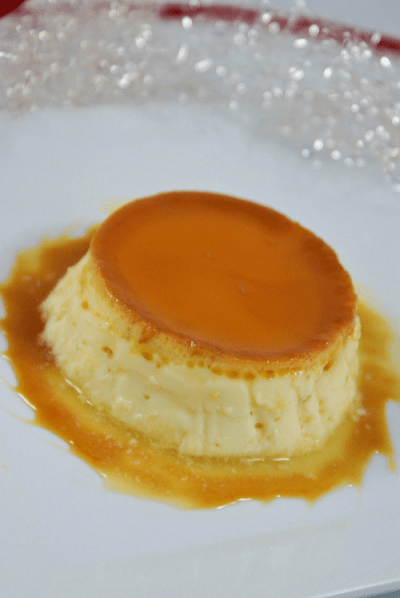
Milky puddings are loved in the Middle East so I’m delighted to see this regional favourite from Cook Like Mom – complete with step by step instructions. Spandana calls this Caramel pudding or flan but here in the Gulf it’s our favourite Creme Caramel. Bravo (and where’s my spoon?).
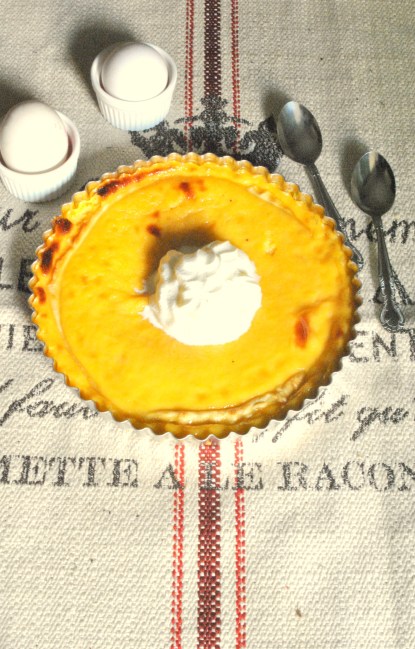
 Dina of According to Dina made a glorious, golden, Grandma’s Custard Pie. Dina I could hug you – can I come over for a slice?
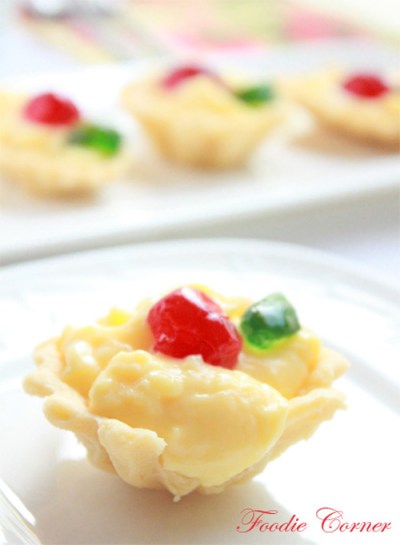
And here are the grandchildren…Najla from Foodie Corner made these Custard Tartlettes. The fruit on top look like gleaming jewels.
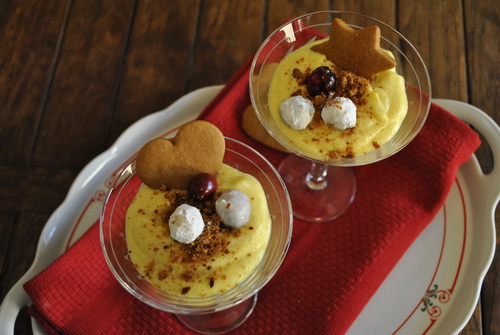
Ligonberries are in season in Finland at this time of year. Unfortunately they are thin on the ground in Dubai so Minna of Naked Plate created this beautiful Cranberry Custard Dessert complete with Finnish gingerbread, cranberry relish and creme anglaise.
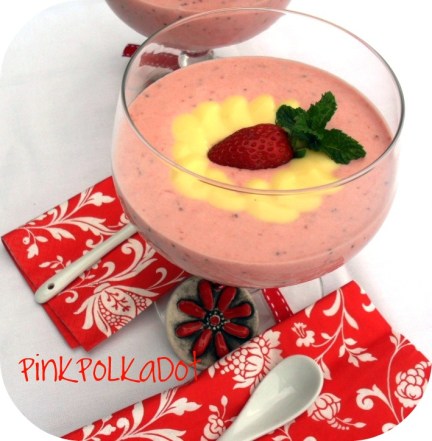
It’s strawberry season in South Africa, hard to imagine if you are putting on the central heating in the Northern Hemisphere. If so bookmark this beautiful Strawberry Soup with Custard from Pink PolkaDot Food made by Zirkie.
 Staying the Southern Hemisphere for Lavender and Lime‘s Baked Chocolate Custard. Tandy used fructose instead of sugar for this dessert which she says takes very little effort to make. I should think it’s very easy to eat too!

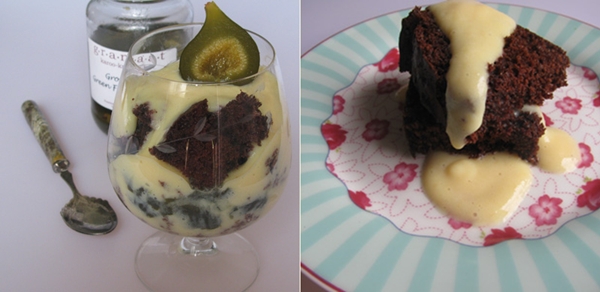
Borer beetles stave off insomnia better than custard according to Cindy, the one and Only Cin. She’ll explain over on her blog but here are her favourite uses of Creme Anglaise – poured over a rich chocolate cake, or layered with preserved green figs from Granaat in the Karoo in a trifle that is a sublime mix of bitter and sweet.
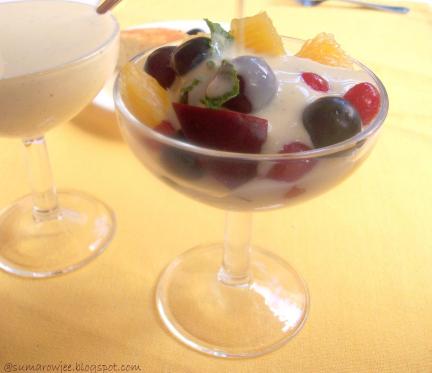
 More trifle in the form of a ‘Custard Day Out‘ – sounds good to me. Foodee spent some time in the kitchen with her Mom making Fruit and Custard Trifle. Her family approved highly. Thanks so much for mingling Dee.
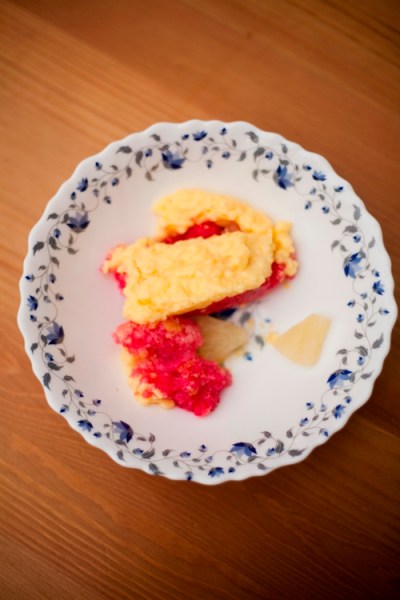
La Mere Culinaire made a beautiful Barbados Cherry Custard Cake. The fruit is also called acerola and grows on a tree in Arwa’s garden. It’s packed with Vitamin C and tastes sweet and sour at the same time. I know this because she kindly picked one for me the other day. I love the way the fruit is roasted and teamed with custard both inside and on top of the cake.
 Suma from Cakes and More! made the creamiest, vanilla-flecked Creme Anglaise, English Custard Sauce, Homemade English Custard…call it what you will. Please pour some over here Suma it looks divine.
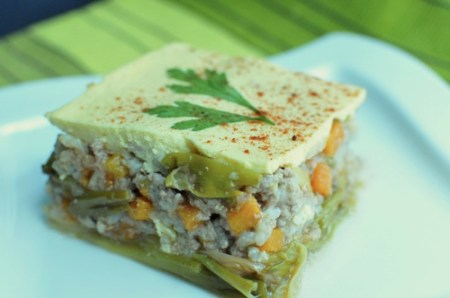
 Custard does not just mean sweetness – although you could have been forgiven for thinking so from the delectable desserts above. So delighted that Assia made this Leek and Rice Moussaka over on Assia’s Kaleidascope.
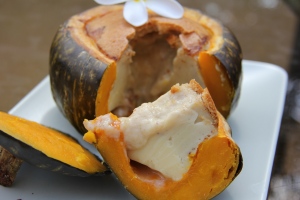
 And one of the most intriguing recipes from Divalicious in Dubai. Angela made a sugar-free custard using an ingredient that I had never heard of before – erythritol. Combined with egg yolks, coconut milk and spices she baked the custard inside a small pumpkin. How pretty is this Thai Pumpkin Custard?
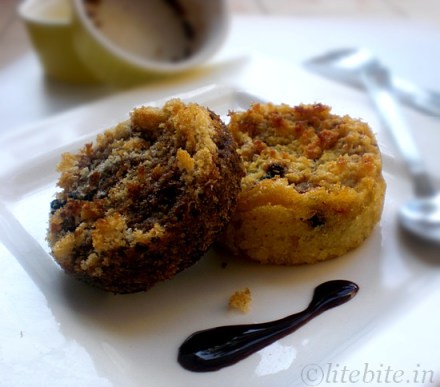
Sanjeeta’s speciality is a Litebite and made vanilla custard bread pudding and chocolate custard bread pudding both egg-less. They look lovely and crunchy on top.
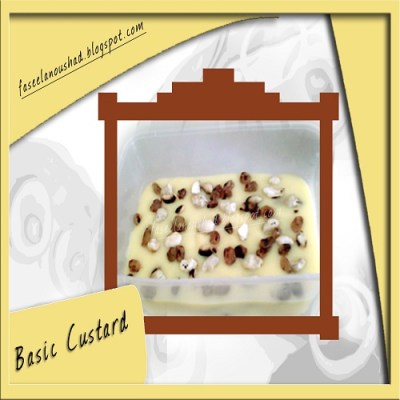
Good Food Ends With Good Talk is the name and sentiment of Faseela’s original blog. She got really busy with custard making Custard Cashew Cookies and giving her recipe for Basic Custard which is studded with cashews, almonds and raisins.
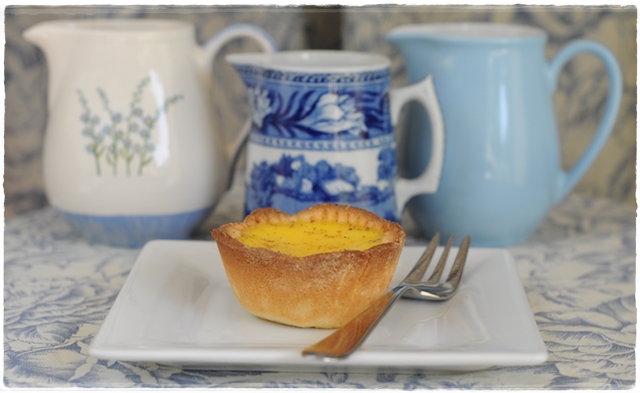
My own entry to the mingle was also Vanilla Creme Anglaise but I’ll leave you with a sneak preview of some custard tarts I made the other day.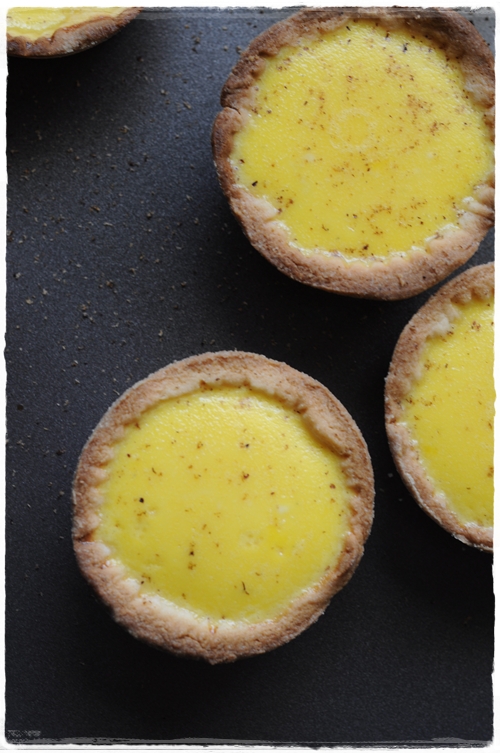
Thanks to Meeta for inspiring and everyone who joined in to make this a wonderful mingle of custard. Have we included your favourite custard dish?
Panettone – sugar and spice and all things nice
 In her books about moving to deepest, rural Italy, Annie Hawes mentions the phenomenon of the cake-exchanging extravaganza at Christmas. She has a theory that the same few panettone circulate round the community, being given as gifts but never actually eaten. She’s alert to every new handing-over of this seasonal cake, notices that one box has a little biro scribble on it and traces its progress from house to house with concealed glee.
I’ll admit to having some empathy with this, as the grand pink and gold boxes of mass-produced panettone promise much but do not deliver. It would be wonderful to taste something worthy of this traditional cake from Milan. The most popular folk tale about its origins is that it was created by a humble baker named Antonio to woo the daughter of a rich merchant. In order to convince the father that he was fit to marry his daughter, he filled the bread with the baker’s equivalent of the gifts of the wise men: butter, brandied dried and candied fruits, nuts and sugar. The bread did the trick and not only did Tony get to marry his true love, the merchant set him up with his own bakery so he could continue to make this wonderful loaf, pane Tony. Alternatively there are references, as far back as the 1300s, to ‘pan dei ton’ which means ‘luxury bread’ in Milanese dialect.
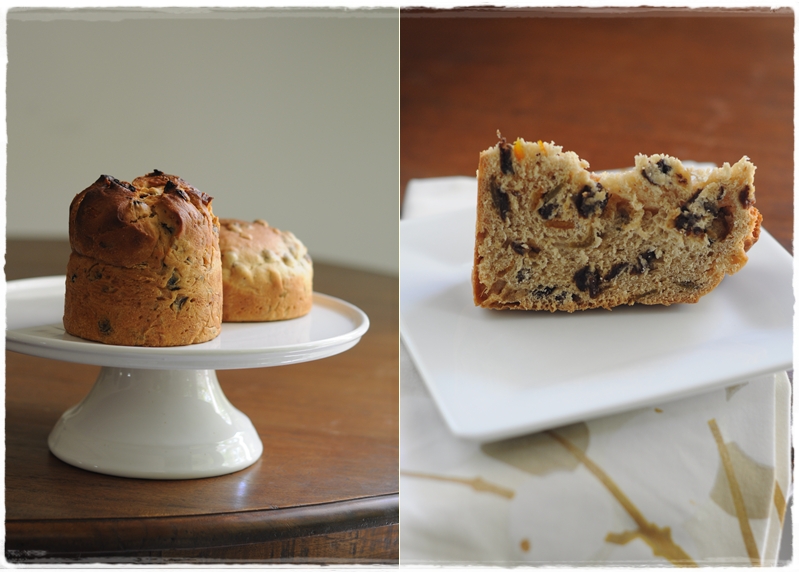
Sarah, of Maison Cupcake threw down the gauntlet to make panettone for this month’s Fresh From the Oven Challenge. She looked through her entire cookery book collection (over 100 books) and found only two recipes, both of which sounded very good. I couldn’t resist having a little look through my own shelves and one recipe tempted me as it had an ingredient that the one from the Great British Bake Off did not – alcohol. Christmas cookery, for me, is made special by liberal sprinkling of exotic liquors and steeping fruits so they turn from their desiccated withered selves into plump, jolly little explosions of lusciousness. Just like me after a gin and tonic.
Not having plain rum, brandy or schnapps, I decided that some golden Bacardi 8 year old would be just perfect. Orange oil was thin on the ground so in went a tablespoon of Cointreau. If you don’t like to use alcohol, you can use a tablespoon each of orange and lemon extract and about 100ml of water. Traditionally panettone is made with a wild yeast dough; this recipe is slightly less time consuming and uses the sponge method. Use any combination of dried fruit you like but I recommend homemade candied peel.

Wild Yeast has a lot more info about the proper way to make panettone (including diagrams and the reasons why Sarah’s recipe suggested she hang it upside-down with string!) I loved making these loaves – it was worth it for the heavenly scent of the house for days.
Panettone – adapted from The Bread Baker’s Apprentice by Peter Reinhart
These are directions for using a stand-alone mixer with a dough hook (my KitchenAid) but you can do all the stages by hand. I find it easier to use a mixer when working with wet dough.

Ingredients
100g sultanas
70g dried cranberries
170g candied fruit (homemade preferred)
120ml brandy, rum or schnapps (I used Bacardi 8 year old)
1 tablespoon of orange or lemon extract (or orange liqueur such as Cointreau or Grand Marnier)
Sponge
120ml full-fat milk
65g plain flour
4 teaspoons instant dried yeast
Dough
285g plain flour (unbleached if possible)
1 tablespoon caster sugar
3/4 teaspoon salt
grated zest of one lemon
1/2 teaspoon freshly ground nutmeg
1 large egg
70g unsalted butter, at room temperature
approx. 60 ml water
Melted butter for topping

Method
- Two days before you want to make the bread, soak the dried and candied fruits in the alcohol and citrus extract. Stir the mixture a few times a day until all the liquid is absorbed.
- When ready to bake, line two panettone or small tins with baking parchment. I used one 15cm (6 inch) tin and a stainless steel utensil holder from Ikea (brilliant suggestion from Sarah).
- Heat the milk until it is lukewarm (or blood temperature) and whisk in the flour and yeast. Cover with cling film and leave for about 1 hour or until the sponge is very foamy.
- Put the flour, sugar, salt, lemon zest and nutmeg into the bowl of the mixer. Use the paddle attachment to stir in the sponge, egg, and butter. Add the soaked fruit mixture and some extra water if necessary to form a soft, but not sticky, ball of dough. Cover the dough and rest for 10 minutes.
- Change to the dough hook and knead for about 5 minutes to make a soft, satiny dough (not too tacky or sticky). Add a little extra flour if necessary.
- Take the dough out and wash and dry the bowl, grease with little oil (I used almond) and roll the dough in the bowl to coat it.
- Cover the bowl with cling film and prove at room temperature for around 45 minutes until slightly risen (but not doubled in size).
- Divide the dough in half, shape into balls and place into the lined tins. You can cut a cross shape into the top if you like (easy with kitchen scissors). Cover loosely with cling film and leave to prove until just over double in size (about 1 hour at room temperature). Preheat the oven to 180 C.
- Bake the panettone for 20 minutes, then rotate the loaves and bake for another 20 – 30 minutes. The loaves should be deep, golden brown and sound hollow when knocked on the base. Remove from the oven and brush the tops with melted butter. Leave to cool completely before cutting.
Best stored in a plastic bag; you can also wrap the loaves in foil and freeze them – removing in time for Christmas breakfast.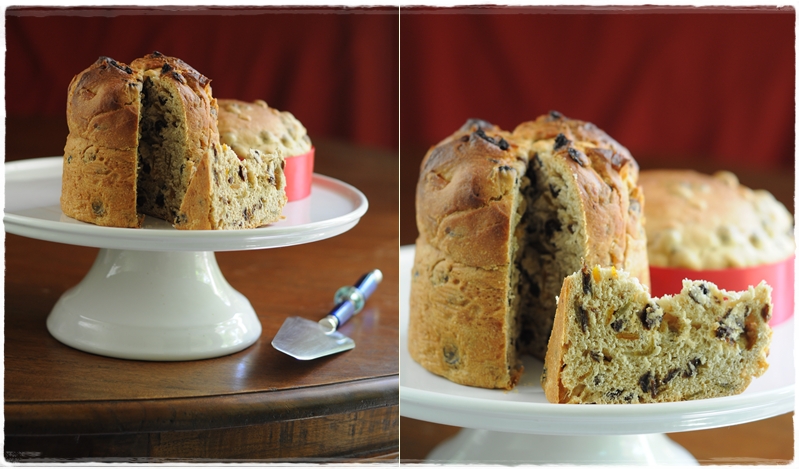
Eat your panettone like the Italians do, for breakfast with coffee, throughout the day with Marsala or Vin Santo, or after dinner with a sparkling Moscato or Prosecco. It’s also very good as French toast or in bread and butter pudding.
Do pop over to Fresh From the Oven in a few days time to see how all the other bakers got on with this great challenge of Sarah’s.
What’s your favourite breakfast for a traditional or festive occasion?
Gold plated Christmas
 How you start the day is important don’t you think? For me, I stumble out of bed just after 6 am, fetch the dog leads and get out onto the quiet streets of Dubai with my two Border Terriers. At this time of year I watch the sunrise and by the time I’ve got to the beach the early morning light is fantastic. My route takes me along the back of a dhow building yard and as I turn the corner I see the full sweep of a white sand beach with the Burj Al Arab at the end of it. The clean lines of this hotel, built in a the shape of a dhow sail, still makes me stare. The colour of the sea and sky reflects over its curves and at night it’s a kaleidoscope of colour and lights.

The view from the dhow building yard and in stormy weather
Even though I’ve booked for many house-guests to visit, it’s many years since I went inside the hotel itself, so an invite to preview the Burj Al Arab’s Taste of Festive left me rather excited.

The welcome in reception and inside the suite
Checking in with security, parting the waves of tourists furiously clicking their cameras to drive under the barrier and over the bridge to the little man-made island feels like you are entering another world albeit of privilege and luxury. I received a warm welcome with cold towels, dates and coffee and five minutes of people watching informed me that the Chinese are in town en masse and wanting to experience the best that Dubai dirhams can offer. “Is it a very good restaurant?” one man demanded of his tour guide.
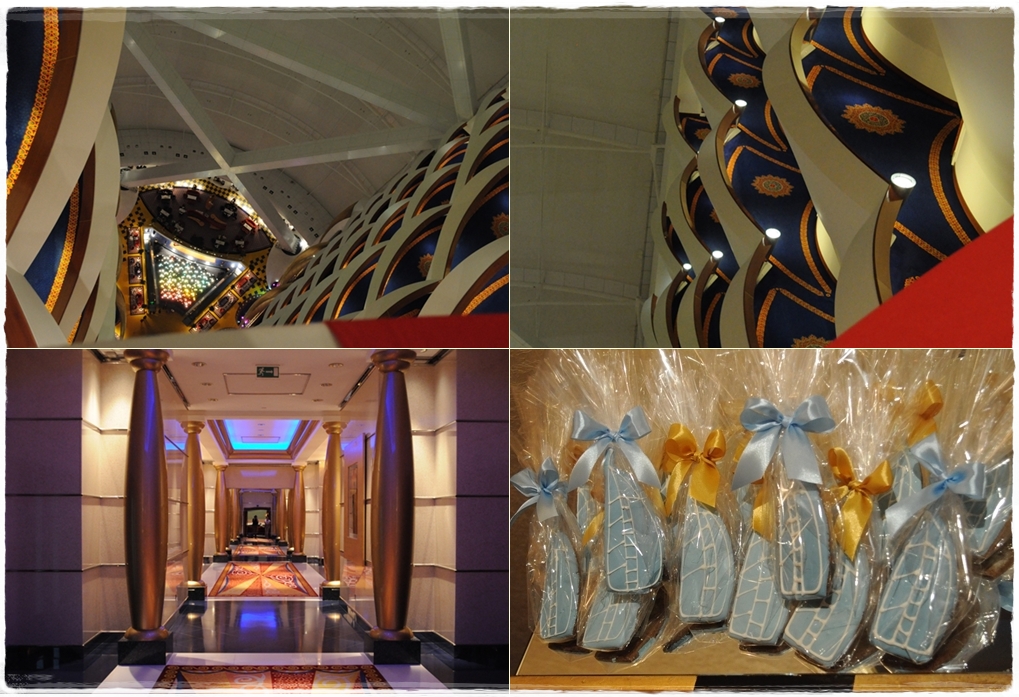
The shock of the contrast between the minimalist exterior and the interior hasn’t diminished. Huge fish tanks flank the escalators, dancing fountains leap, the blue, red and yellow colours are reflected in the myriad of gold surfaces from the lifts, to the lamps, to the braid on the staff uniforms, under the towering 180 metre atrium. It truly is like being inside an enormous Christmas decoration all year round. The completely over-the-top wow factor has diminished somewhat because when I first visited there was nothing that compared to its lavishness. Dubai now has an array of jaw-droppingly over-the-top interiors. The Burj Al Arab, when it opened in 1999, led the way and remains dedicated to gold-plated luxury with every room being two-storey, personal butlers and a fleet of Rolls-Royces.
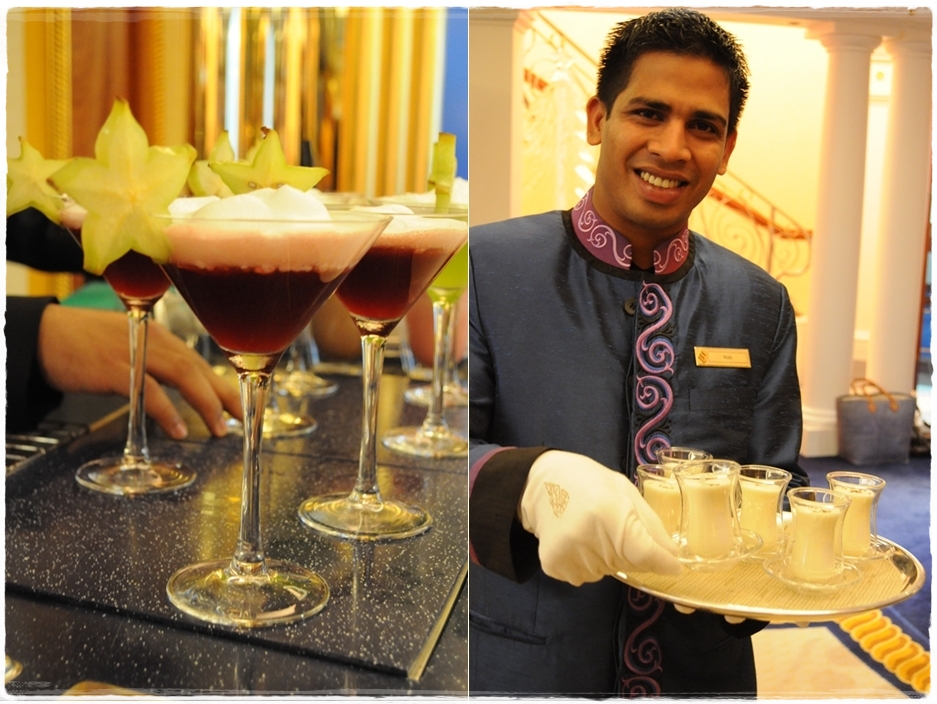
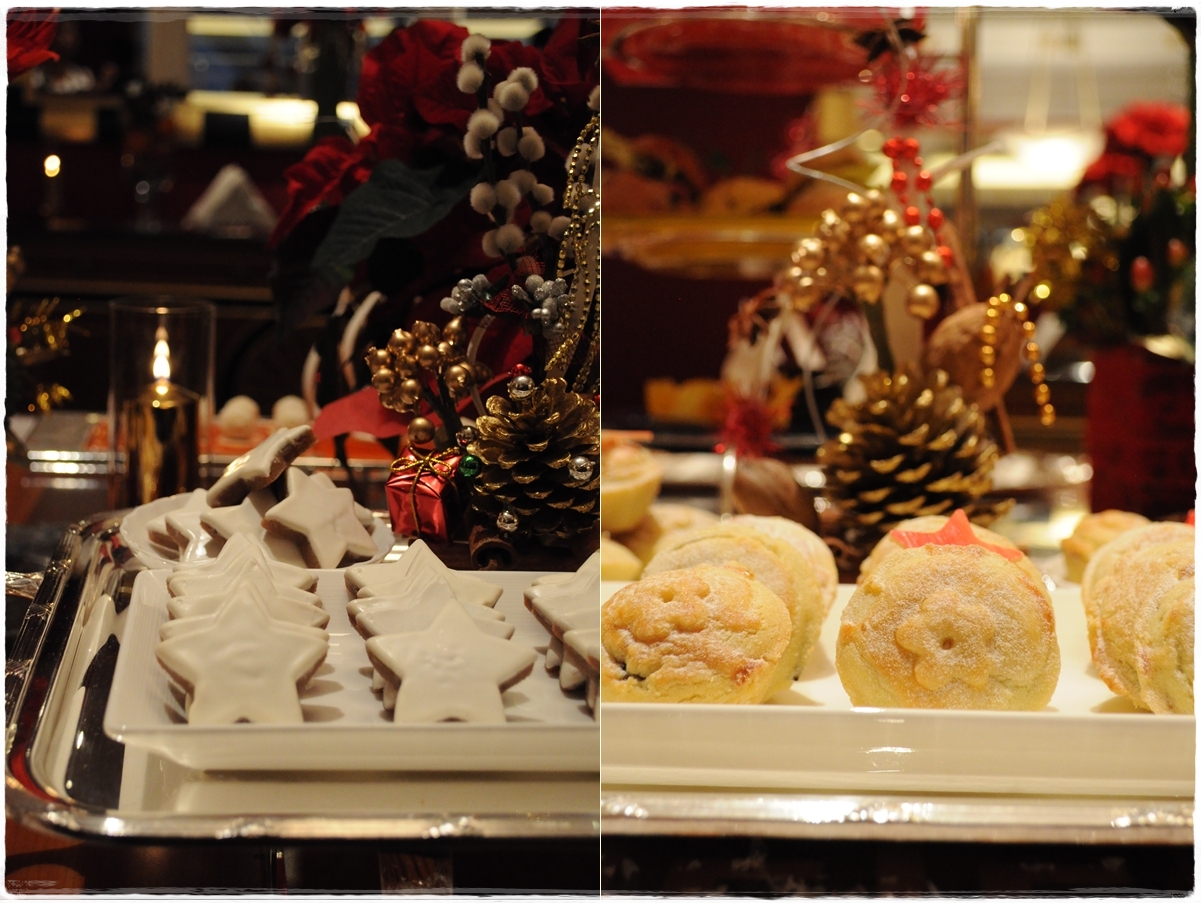
One of the suites had been transformed into a festive venue with Christmas tree ice sculpture, poinsettia, bubbling globes of Christmas scent and, of course, festive food and drink. A Santa’s Dream mocktail (Dubai has a zero-tolerance policy to drink driving) a refreshing drink of fresh strawberries and milk slipped down, although I was eyeing up the Jingle Bell, a ‘berry explosion’ (hiding rum I think) with a slice of star fruit on the side. These were made by the ‘mixologists’ from the festive cocktail range served in the Sahn Eddar Lounge and Skyview Bar. Resisting the courteous staff plying mulled wine and egg nog, but sampling a range of Christmas biscuits, gingerbread, mince pies and chocolate truffles, I then decided that a taxi home was advisable as a glass of Champagne was handed to me to toast the arrival of the limited edition Burj Al Arab Christmas log.
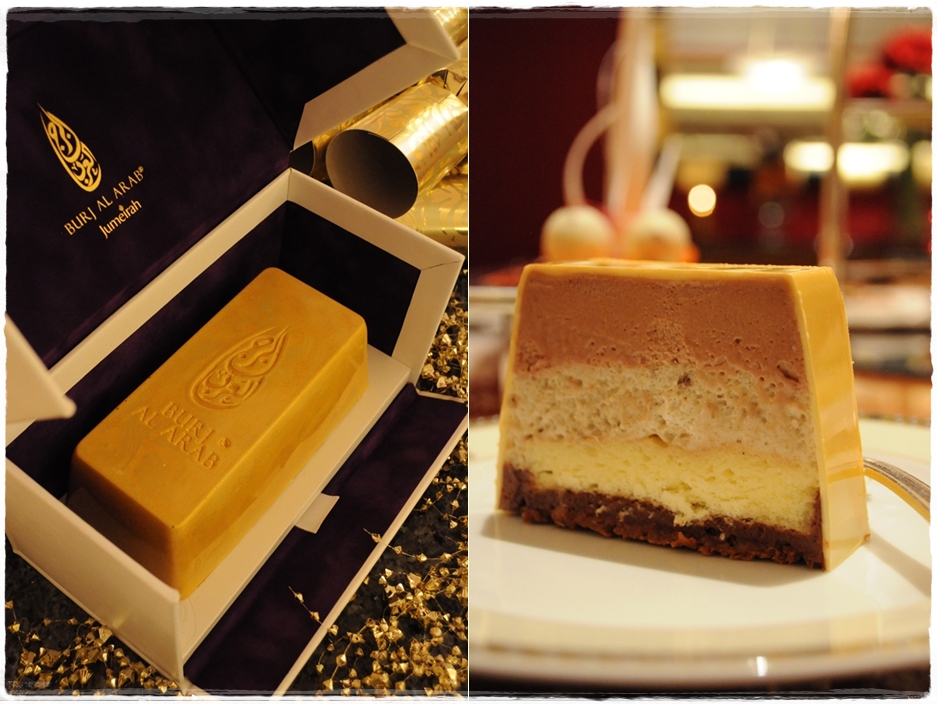
Layers of chocolate cream, Tahitian vanilla, banana extract, guanduja, dark chocolate, and praline covered in white chocolate and edible gold dust were formed into a monogrammed gold bar. It took months to perfect and the chocolate mold is patented; as a statement gift it takes some beating (500 AED, limited quantities on sale from 11th December).
All this luxury comes at a price and if you want to stay at the Burj Al Arab for four nights over Christmas expect to pay from AED 8990 ++ (2448 USD) per night. The firework display on New Year’s Eve is absolutely stunning – to experience it in this prime location commencing with Champagne at 6.30 pm, a gala dinner in a choice of the Burj Al Arab restaurants, with other entertainment to take you up to midnight and beyond is a cool AED 7450 per person.
As the venue for a Christmas treat, especially if you live in Dubai and have visitors, there are more affordable options from afternoon tea to Christmas cocktails at the Skyview bar. Dining on the beach at the Majlis Al Bahar really appeals to me – the Christmas Eve barbecue is AED 395 per person. A lavish Festive season brochure, which you can pick up from the hotel, has all the details or check the website.
I couldn’t resist leaning over the top most balcony to take a picture of the doll’s house sized furniture in the lobby and the fountains which were lit up in multi-colours for night-time. The entrance was a flurry of arrivals, everyone looked expensive – there was a lot of gold.
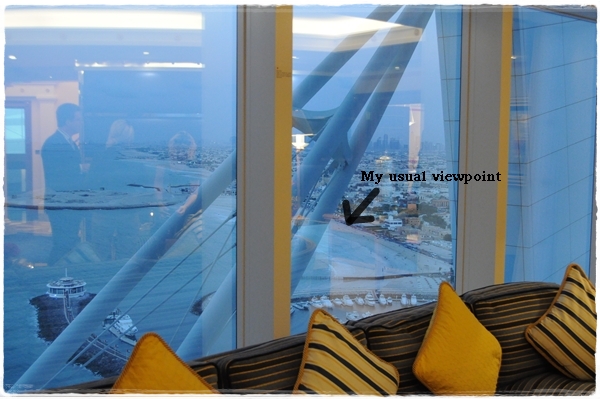
My favourite view of the Burj Al Arab remains its curved exterior across the sands, however I was reminded to take the short journey across the water to experience this iconic building from the inside more often.
The view from the top
Disclosure: I was a guest of the Burj Al Arab for the Taste of Festivities event.
Posts have been a bit thin on the ground and I haven’t replied to comments as quickly as usual due to a bout of bronchitis. Normal service resumes soon, enshallah (as they say in the UAE).

Where is your favourite location for a cocktail?
Home-made candied peel to give or to keep
 My teens are already begging me to cave in and agree a date to put up the Christmas tree. I am digging in my heels and refuse to discuss anything that even resembles a bauble until St Nicholas day on the 6th of December. It’s not too early to think about food however and I took advantage of the Eid break to spend some soothing hours in the kitchen baking my Christmas cake and making my pudding. After having returned the pack of candied peel to the supermarket shelf after reading the E numbers, I was going to omit it altogether. Then vegetarian teen suggested I make my own. Eureka.
 I had some local grapefruit from the Ripe market and I gave the oranges and lemons a good scrub to get rid of any nasties. Unwaxed organic fruit is idea if you can get it.
The candied peel was really simple and satisfying to make. A great idea for gifts for Christmas too – you can dip the candied pieces in melted chocolate for a more sophisticated present if you like.

And the taste… I wonder why haven’t I made this before? Opening the packet unleashes powerful citrussy aromas and it’s hard to stop nibbling at these little candied pieces. I feel like one of the three wise men bearing a gift. This little stash of peel is going to add the warmth and spice of the East into many Christmas goodies over the next 6 weeks.
Spending an hour in the kitchen and some relaxing time making up the peels into pretty parcels sure beats trawling round the mall and who doesn’t love a home-made gift?
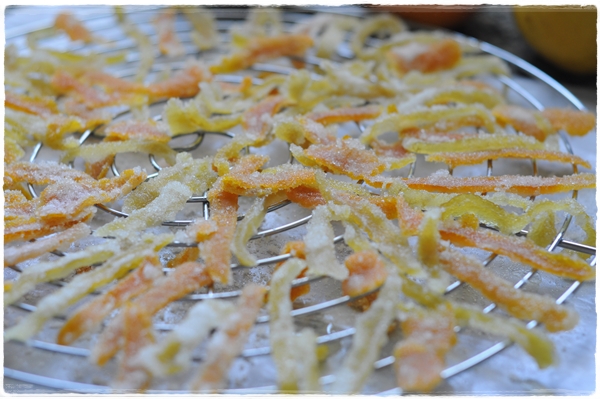
Candied Peel
Easy to make, much better than shop-bought and great to give as homemade gifts.
Ingredients
2 oranges (all fruit unwaxed, organic if possible)
2 lemons
1 grapefruit
250g granulated sugar
475ml water
a vanilla pod (optional)
caster sugar for dusting
Directions
- Give the fruit a good scrub and dry well. Finely peel the oranges, lemons and grapefruit trying not to include any of the bitter white pith. Cut the pith into long strips.
- Put the peel into a deep pan, fill with enough water just to cover the peel, then bring to the boil over a high heat. As soon as the water has boiled, remove from the heat and drain. Return to the peel to the pan and repeat this process two more times (so three boils in total).
- Put the peel back in the pan and add the water (measured as above in the ingredients list), granulated sugar, the vanilla pod (if you like) and warm over a low heat, stirring until the sugar has dissolved. Bring to the boil and cook for about 10 minutes until the peel is soft. Remove the pan from the heat and leave to cool.
- Drain off the syrup and toss the strips of peel in the caster sugar until coated. Dry on a wire rack until the piece are firm and the sugar crisp.

Do you like giving or receiving home-made gifts?
A jar of sunshine – home-made lemon curd
 Given a choice between chocolate and lemon, I will always choose lemon. The colour, the scent, the versatility of this astringent fruit makes it a ‘must have’ in my kitchen. I’m really annoyed if I run out. Everyone seems to have their jam pan out at the moment and books and blogs abound with homemade preserves. Living in a land of imports there’s never a handy glut that needs storing away in some delicious form for the winter. Lemons are always available though, usually from South Africa or Turkey. It’s so easy to whip up a batch of lemon curd and because of its three-week shelf-life, the quantity is enough for two jars (one for a friend) or one large one (to eat all yourself). It’s a joy to open the fridge and see a golden jar on the shelf…come to think of it, it’s related to custard.

Ten uses for lemon curd
- Simply spread on hot, buttered toast or stir into some cream cheese and spread on rye crackers.
- Magnificent on a freshly baked warm scone or take it to another level and stir into whipped cream with some halved strawberries as a filling.
- Mix 100 g lemon curd with 250 g mascarpone to fill a victoria sandwich cake (20 cm).
- As an alternative Eton mess – mixed with pieces of meringue, whipped cream and a little extra lemon juice.
- Or continuing the meringue theme…spread over a Pavlova, topped with raspberries.
- Great as a filling for a Swiss roll instead of jam.
- Thin with some water and drizzle over ice-cream or pancakes.
- Make little pastry cases and fill them with lemon curd.
- Sandwich slices of Pain perdu (egg bread) together with lemon curd and dust with icing sugar.
- For a quick cheesecake, mix with some mascarpone cheese, and fresh fruit (e.g. blueberries and peaches), fill a tart tin lined with a digestive biscuit crust. After chilling, serve topped with whipped cream.
…or use as a filling for lemon curd buns with creamy lemon icing.

Homemade lemon curd – makes a large jarful (about 700 g)
Ingredients
Zest and juice of 4 lemons
4 eggs, beaten
125g butter, cut into small chunks
350g caster sugar
Method
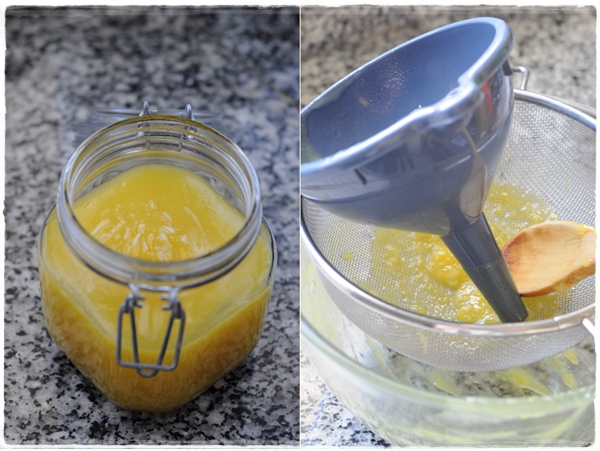
Place all the ingredients into a large heatproof bowl over a pan of simmering water (or use a double-boiler). The water must not touch the base of the bowl. Stir to dissolve the sugar then continue stirring, keeping the water at a rapid simmer, for about 20 minutes until the mixture thickens. It should coat the back of a wooden spoon when done. If you feel it isn’t starting to thicken, raise the heat a bit but do not boil otherwise it will curdle. Remember that the mixture will thicken a bit more once it cools.
Strain through a sieve into a warm, sterilised jar and cover with a disc of waxed paper (I used a kilner jar so didn’t bother). Put on the lid when cool. Store in the fridge for 2-3 weeks.
 Have you made lemon curd? Is it an English thing or something that’s made everywhere? How do you eat yours?









 My Custard Pie